 Follow Us on Google News
 Follow Us on Google Discover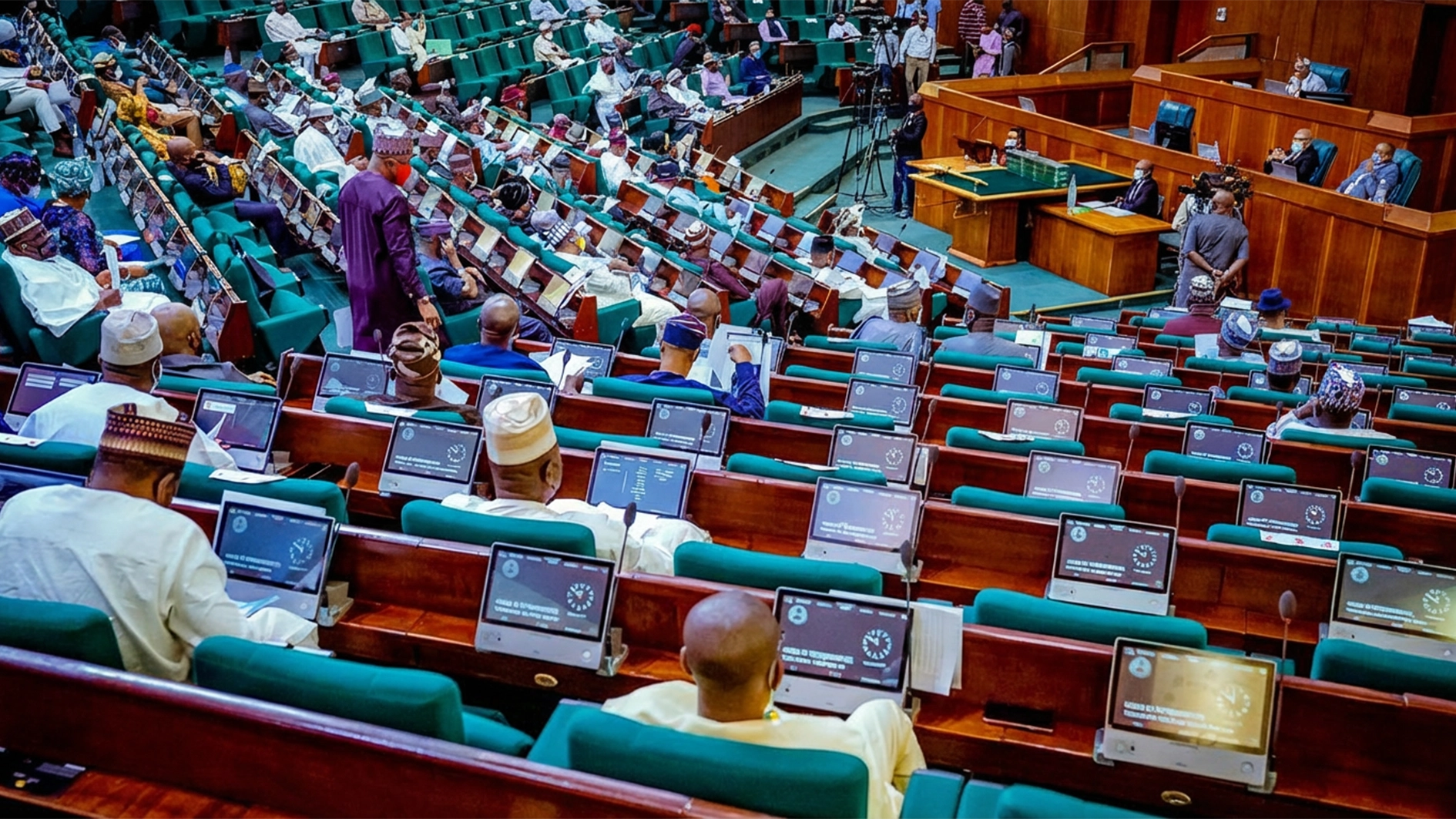
The House of Representatives on Thursday condemned the recurring xenophobic attacks against Nigerians and other African nationals in South Africa, but rejected calls by some lawmakers to immediately suspend diplomatic relations between the two countries.
The resolution followed the adoption of a motion of urgent public importance sponsored by Yusuf Gagdi (APC, Plateau), who decried what he described as persistent violence, unlawful arrests, extrajudicial killings and the persecution of Nigerians living in South Africa.
Moving the motion during plenary, Gagdi said repeated xenophobic attacks had claimed innocent lives, destroyed businesses and forced many Africans to flee despite years of diplomatic engagement between Nigeria and South Africa.
He said recent reports indicated a fresh wave of attacks against Nigerians, as well as citizens of Ghana, Zimbabwe, Zambia, Mozambique, Malawi and other African countries legally residing in South Africa.
According to him, the Nigerian government recently confirmed the deaths of two Nigerians, including one who reportedly died in the custody of the South African police and another who was allegedly murdered outside his business premises.
He said the latest incidents showed that Nigerians remained vulnerable despite repeated assurances by the South African government that foreign nationals would be protected.
Gagdi recalled Nigeria’s significant role in the anti-apartheid struggle through diplomatic, financial and humanitarian support, describing it as disturbing that Nigerians were now facing persecution in the same country Nigeria helped to liberate.
He warned that the recurring attacks had become systematic and increasingly deadly, blaming the failure to prosecute perpetrators for encouraging a culture of impunity
Co-sponsor of the motion, Billy Osawaru (APC, Edo), said although the federal government had facilitated the evacuation of about 856 Nigerians from South Africa following an earlier House resolution, the latest killings showed that South African authorities had failed to protect foreign nationals.
He proposed that Nigeria suspend political, diplomatic and parliamentary engagements with South Africa, including trade, investment and economic diplomacy, until concrete measures were taken to halt the attacks.
But Deputy Speaker Benjamin Kalu, who presided over the session, urged caution, saying such a far-reaching decision should not be taken without first establishing the facts.
“We cannot suspend diplomatic relations now until we carry out our investigation and establish the facts,” Kalu said.
When the proposal was put to a voice vote, the majority of lawmakers rejected it.
In his ontribution, Ghali Tijani (APC, Kano) supported severing diplomatic ties until justice was secured for Nigerian victims, while Jesse Onuakalusi (NDC, Lagos) urged the federal government to pursue legal remedies under international law and consider recalling Nigeria’s ambassador to South Africa.
Kayode Akiolu (APC, Lagos) advised against cutting diplomatic ties, urging instead that South Africa’s diplomatic representatives in Nigeria be invited to explain measures being taken to safeguard Nigerians.
Etanabene Benedict (Delta) also advocated diplomacy, recommending the recall of Nigeria’s ambassador to South Africa and the summoning of South Africa’s envoy in Abuja while keeping diplomatic channels open.
Following the debate, the House unanimously condemned the recurring xenophobic attacks, extrajudicial killings, unlawful detention and persecution of Nigerians and other African nationals in South Africa.
The lawmakers urged the federal government to summon South Africa’s High Commissioner to explain the recent killings and clarify Pretoria’s position on the protection of Nigerians and other African nationals.
They also called for an independent, transparent and internationally monitored investigation into the killings, and urged Nigeria to engage the African Union, the Southern African Development Community, the United Nations and the African Commission on Human and Peoples’ Rights to strengthen protections for African nationals living in South Africa.
The House called for stronger consular services, legal assistance, emergency evacuation arrangements, reintegration programmes for affected Nigerians and compensation for victims.
The matter was subsequently referred to the House Committee on Foreign Affairs for further legislative action.

