 Follow Us on Google News
 Follow Us on Google Discover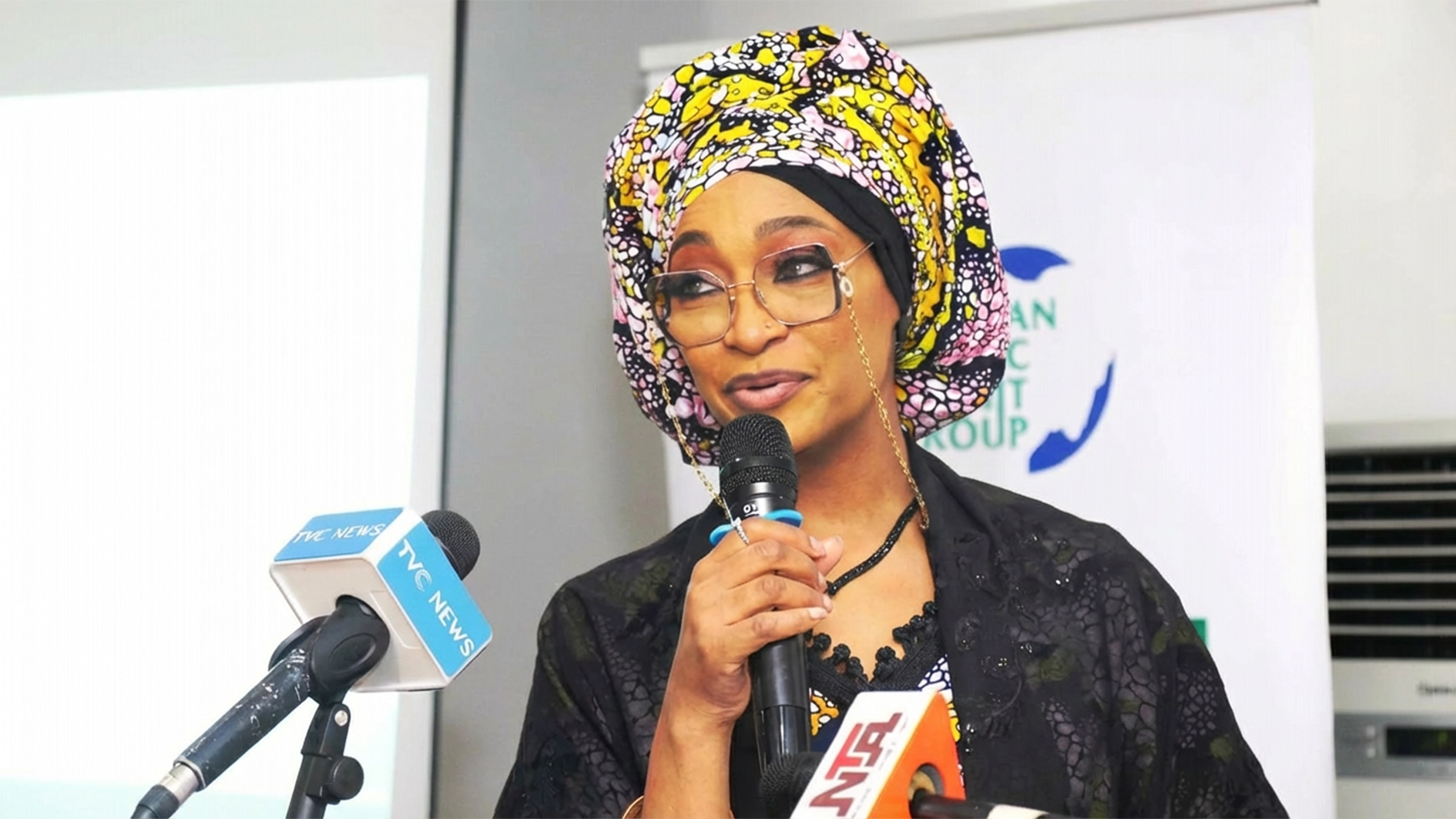
Minister of Art, Culture, Tourism and the Creative Economy, Hannatu Musa Musawa, has described the return of 28 Benin artefacts from Switzerland as a restoration of history rather than an act of generosity, while reaffirming Nigeria’s commitment to preserving Africa’s cultural heritage through international partnerships.
In a series of posts on her X account, Musawa reflected on the enduring legacy of the Second World Black and African Festival of Arts and Culture (FESTAC ‘77), saying the event marked a defining moment in the continent’s cultural history and gave rise to the establishment of the Centre for Black and African Arts and Civilization (CBAAC).
According to the minister, the gathering of 59 Black and African nations in Lagos in 1977 ended with a commitment to preserve “the record of a continent speaking to itself,” a pledge that led to the creation of CBAAC as the custodian of FESTAC’s legacy.
“CBAAC was built to keep that promise — the only institution of its kind anywhere, custodian not of one nation’s heritage, but of a shared continental moment,” she wrote.
Musawa also highlighted the signing of a Memorandum of Understanding on June 29 between CBAAC and Switzerland’s Cinémathèque suisse, describing it as a significant step towards strengthening collaboration in the preservation of cultural memory.
She said the agreement brings together two institutions dedicated to safeguarding national heritage while creating opportunities for knowledge exchange, archival cooperation and the preservation of shared cultural history.
“Heritage is not a relic to file away. It is a living foundation this nation keeps building on,” the minister stated, adding that CBAAC will mark its 50th anniversary next year.
Musawa further welcomed the repatriation of 28 artefacts looted from the Royal Palace of Benin during the 1897 British invasion, insisting they should not be regarded as gifts.
“They are not gifts. They are a return,” she wrote. “Twenty-eight artefacts, taken from the Royal Palace of Benin in 1897. Today, they come home.”
She commended Switzerland for relying on provenance research conducted by its own institutions before agreeing to return the artefacts, describing the decision as a model for other countries in possession of African cultural objects acquired during the colonial era.
According to her, the agreement between Nigeria and Switzerland extends beyond the current restitution, establishing a long-term framework for future cooperation under the 1970 UNESCO Convention on the Means of Prohibiting and Preventing the Illicit Import, Export and Transfer of Ownership of Cultural Property.
“The agreement we signed reaches further than this single case — a lasting framework under the 1970 UNESCO Convention, ready for the next time such a question passes between us,” she noted.
Musawa stressed that the return of every cultural object contributes to restoring Africa’s historical narrative and correcting injustices of the colonial period.
“Every object that comes home rebuilds part of the record colonial violence tried to erase: that Africa’s artistic achievement never had to wait for the world’s permission to be great,” she said.
Nigeria has continued to intensify diplomatic engagements with museums, governments and cultural institutions across Europe and other parts of the world to secure the return of looted cultural artefacts, while promoting international partnerships aimed at preserving the continent’s rich cultural heritage.

