 Follow Us on Google News
 Follow Us on Google Discover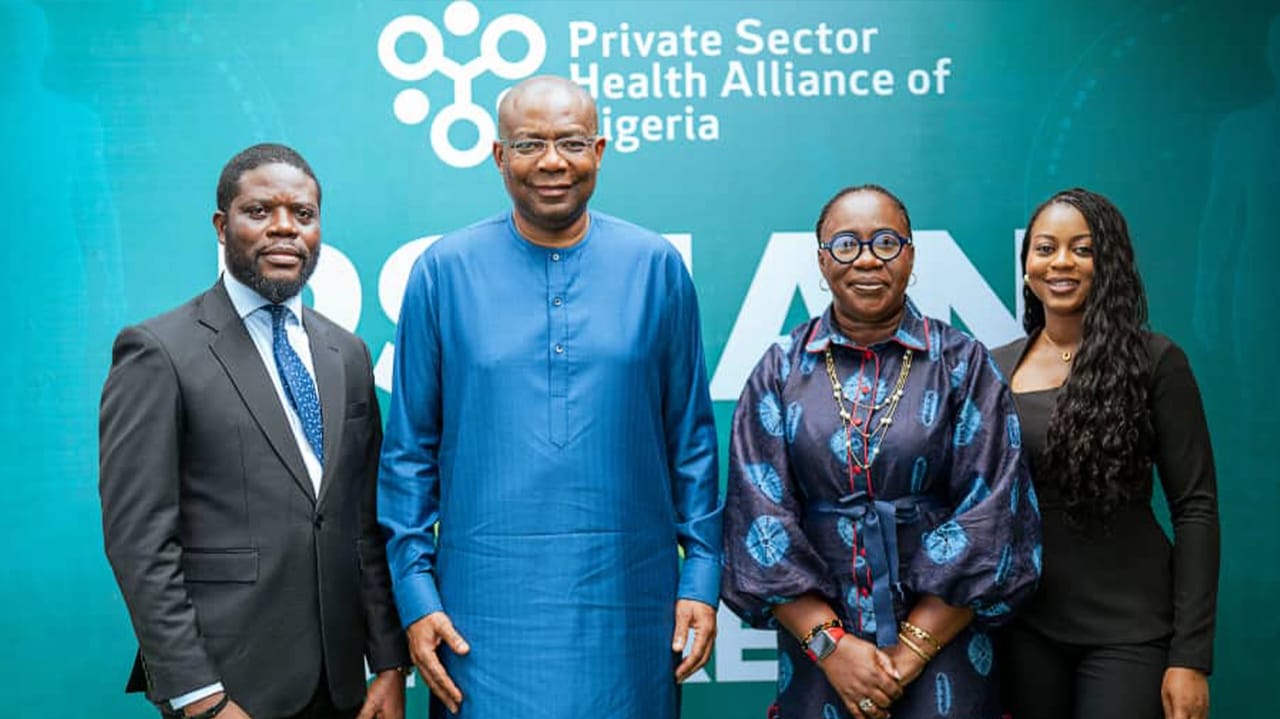
Experts have called for stronger policies, infrastructure and institutional support to ensure that Nigeria’s rapidly growing digital health ecosystem translates into improved healthcare outcomes.

They made the call at the 2026 annual conference of the Private Sector Health Alliance of Nigeria (PSHAN) in Lagos, themed: “Driving Digital Innovation for a Healthier Nigeria.”
The experts noted that Nigeria’s digital health sector now boasts more than 120 active health technology startups, which have attracted over $271 million in cumulative investment.
However, they stressed that innovation must produce measurable improvements in healthcare delivery rather than simply showcasing technological sophistication.
Chairman of Access Holdings and a PSHAN board member, Aigboje Aig-Imoukhuede, said technology alone cannot transform healthcare without strong institutions and effective systems.
According to him, healthcare remains one of the most pressing challenges confronting Nigerians, with millions still struggling to access quality and affordable services.
“Behind every health statistic is a human story—stories of recovery, childbirth, survival and, unfortunately, lives lost. Nigeria continues to bear a disproportionate share of poor health outcomes globally,” he said.
He noted that while digital innovations such as telemedicine, artificial intelligence, electronic medical records, digital pharmacies, health financing platforms and diagnostics are reshaping healthcare, they must be supported by enabling policies, reliable infrastructure and skilled personnel.
“We want to use technology and innovation to solve the problems that cause women to die during childbirth, improve diagnosis, strengthen supply chains, expand access to finance, reduce inefficiencies and make healthcare more responsive.
“But technology alone will not transform Nigeria. Nations are transformed when innovation is backed by strong institutions, supportive policies, patient capital and sustainable systems,” he said.
Aig-Imoukhuede lamented the poor state of infrastructure, noting that life-saving medical equipment often remains unused because of unreliable electricity or a shortage of trained healthcare workers.
He said Nigeria possesses abundant entrepreneurial talent, with more than 120 health-tech startups developing innovative solutions across the healthcare value chain.
“That should give us confidence. However, despite these innovations, healthcare remains inaccessible for far too many Nigerians. Many families still travel long distances for basic medical care, healthcare providers continue to operate with inadequate infrastructure, hospitals struggle with fragmented data, and about 72 per cent of healthcare spending still comes directly from patients’ pockets.”
He argued that Nigeria’s greatest challenge is not a lack of ideas but weak systems that prevent innovation from delivering lasting impact.
“Ideas create possibilities, but systems create results. Nigeria does not lack brilliant minds; what we need are systems that allow innovation to flourish.”
The Access Holdings chairman urged entrepreneurs to build solutions that address real healthcare challenges while giving investors confidence that their innovations can operate successfully within a sustainable ecosystem.
“The true measure of innovation is not the sophistication of the technology or how impressive the presentation is. It is the improvement it brings to people’s lives,” he said.
He also called on policymakers to develop regulatory frameworks that encourage innovation while protecting patients and investors.
“Healthcare requires patient capital. Investors must recognise that healthcare is a long-term opportunity capable of transforming communities, strengthening economies and improving national productivity.”
Earlier, PSHAN‘s Director of Policy and Programmes, Dr Anne Adah-Ogoh, said the conference brought together leaders, innovators, investors and development partners committed to building a healthier Nigeria.
She said digital innovation had become an essential tool for expanding access to quality healthcare and improving health system performance.
“Currently, Nigeria has about 120 health technology startups with more than $271 million in cumulative investment. Yet, this momentum must now translate into measurable impact,” she said.
According to her, Nigeria must address persistent gaps in electronic medical records, health insurance coverage, reliable electricity supply and rural internet connectivity through sound policies, sustainable financing, resilient infrastructure and coordinated implementation.
Adah-Ogoh said PSHAN recently launched the VivoHealth application to connect Nigerians with verified healthcare providers, pharmacies, laboratories, health insurers and emergency services.
She explained that the platform complements the organisation’s flagship Adopt-a-Healthcare Facility Programme, which aims to revitalise one primary healthcare centre in every local government area across Nigeria.
“This conference is not simply a forum for dialogue. It is a platform for action. We need enabling policies, patient and purposeful capital, scalable technologies and partnerships that are accountable for results.
“Most importantly, we must move from discussions to execution and deliver measurable improvements in the lives of Nigerians,” she added.
Also speaking, Flutterwave Nigeria Country Head, Chizoba Okafor, described digital infrastructure as the missing link in Nigeria’s healthcare transformation.
He said healthcare delivery depends not only on hospitals, equipment and medical personnel but also on seamless digital payment systems that make services more accessible and affordable.
“Every healthcare interaction involves a financial transaction. When the payment layer fails, healthcare delivery is disrupted.
“Nigeria has already demonstrated what is possible through collaboration among banks, fintech companies, telecom operators and regulators. The healthcare ecosystem must embrace the same integrated approach.”
Okafor called for stronger collaboration among hospitals, pharmacies, insurers, laboratories, payment providers and government agencies to create an efficient healthcare ecosystem supported by secure data systems and digital payments.
He added that integrated financial infrastructure would improve service delivery, simplify billing, strengthen health financing and generate reliable data for better planning.
“Technology is not the end goal. It is simply the platform that enables Nigerians to access faster, more affordable and more efficient healthcare.”
In her remarks, Dr Funke Fasawe, Country Director of the Clinton Health Access Initiative (CHAI), commended PSHAN for convening the conference and described this year’s theme as timely and practical.
She noted that Nigerian innovators are developing solutions to longstanding healthcare challenges and stressed the importance of partnerships among government, the private sector and development organisations to scale innovations capable of improving health outcomes nationwide.

