 Follow Us on Google News
 Follow Us on Google Discover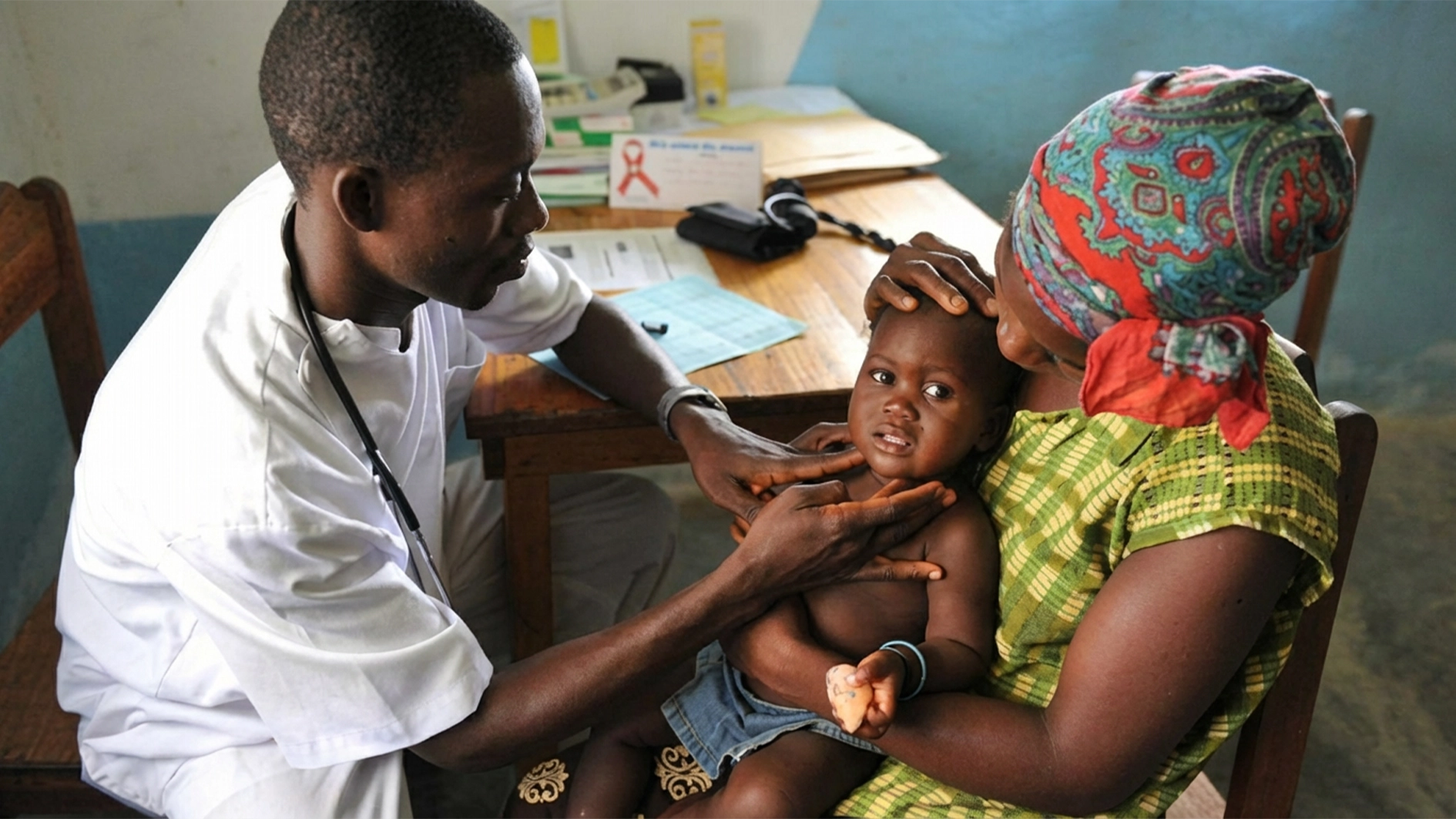
Chairman of the Alliance for Economic Research and Ethics Ltd/GTE, Dele Oye, has decried Nigeria’s widening infrastructure deficit, noting that the country requires an estimated $100 billion yearly to address critical infrastructure shortfalls and about $2.3 trillion over the next 20 years to bridge the gap.
Oye, in a policy statement released by the Alliance for Economic Research and Ethics (AERE) Ltd/GTE, entitled ‘The Broken Windows of Nigeria: How Government Neglect Forged a Nation of Self-Reliant Survivalists and the Uncommon Path to True Greatness’, said decades of neglect of essential public services forced millions of Nigerians to shoulder responsibilities that should ordinarily be borne by the government.
According to him, the country’s infrastructure stock stands at just 35 per cent of Gross Domestic Product (GDP), compared to about 70 per cent in developed economies, a deficit that continues to undermine productivity, economic growth and investors’ confidence.
Oye, who is the immediate past president of Nigerian Association of Chambers of Commerce, Industry, Mines and Agriculture (NACCIMA), argued that the persistent collapse of public infrastructure, particularly electricity, roads, water and healthcare, created a parallel economy where citizens were compelled to privately provide services that should be publicly available.
On electricity, he noted that repeated national grid collapses and unreliable power supply compelled households and businesses to depend almost entirely on petrol and diesel generators, significantly increasing the cost of living and doing business.
He described the situation as evidence that the Nigerian state had gradually retreated from its primary responsibility of providing basic public services, leaving citizens to fend for themselves.

Expressing deep concern over the country’s worsening healthcare crisis, he warned that the continuous migration of medical professionals was weakening Nigeria’s ability to provide services that should be publicly available in a private health system.
According to the statement, approximately 16,000 doctors left Nigeria within five years, leaving only about 55,000 medical doctors to cater to a population exceeding 230 million people.
It further stated that Nigeria has only 2.9 doctors per 10,000 people, far below the recommended of World Health Organisation (WHO) for 17 doctors per 10,000 population.
Also citing findings indicating that more than 80 per cent of healthcare workers surveyed expressed intentions to emigrate, he described the trend as one of the greatest threats to Nigeria’s healthcare delivery system.
While acknowledging recent policy initiatives by the Federal Government in the power and health sectors, Oye maintained that isolated reforms would not be enough unless the government restored public confidence by consistently providing essential services.
He argued that the nation’s recurring failures in electricity, healthcare, security, water supply and transportation reflect what the report described as the ‘Broken Windows’ phenomenon, where prolonged neglect of public institutions gradually normalises dysfunction and compels citizens to rely on private alternatives.

