 Follow Us on Google News
 Follow Us on Google Discover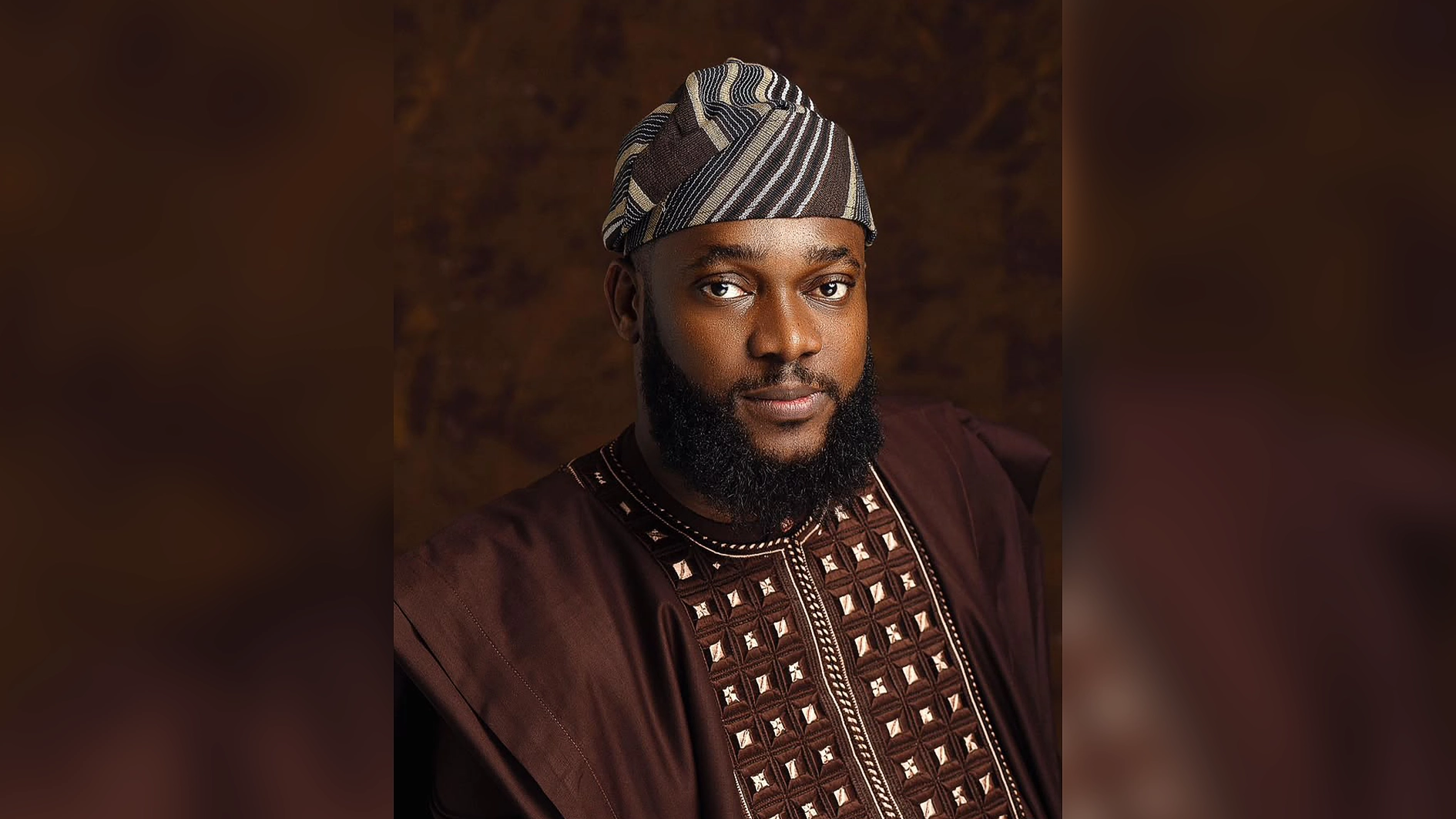
By Joshua Mamiloghor
There comes a point in the life of every nation when it must choose between preserving the familiar and building for the future. Nigeria stands at such a crossroads today. While political disagreements remain a permanent feature of our democracy, certain national projects deserve to be viewed through the lens of history rather than partisan politics.
One such project is the Lagos–Calabar Coastal Highway.
A few weeks ago, I had the opportunity to drive on a completed section of the highway, even though the entire project is still under construction. I did not set out expecting to have an emotional experience. I simply wanted to see for myself what had generated so much public debate.
What I found surprised me.
As my car rolled along the stretch overlooking the Atlantic, I felt something I had not expected—pride. The road was smooth, expansive, and unlike anything I had experienced on that part of Nigeria’s coastline before. For a brief moment, I stopped thinking about politics and began thinking about possibilities. I imagined families driving from one coastal city to another, tourists exploring destinations that had long been difficult to reach, businesses moving goods more efficiently, and young Nigerians growing up believing that world-class infrastructure is something they should expect, not merely admire abroad.

It was, quite honestly, an astonishing feeling.
That drive reminded me that infrastructure is more than concrete, asphalt, and steel. It is a statement of intent. It tells citizens that their nation is still capable of dreaming big.
Like many Nigerians, I have watched the debates surrounding the project with great interest. Some have questioned its cost, others its route, and still others its timing. Those are legitimate discussions in any democracy. However, beyond the politics lies a much larger question: What kind of Nigeria are we trying to build?
Throughout history, nations have been transformed by infrastructure that initially attracted skepticism. The interstate highway system reshaped the United States. China’s high-speed rail network accelerated economic growth. The Channel Tunnel forever changed transportation between Britain and continental Europe. These projects were expensive, controversial and politically divisive. Today, they are seen as symbols of national ambition.
The Lagos–Calabar Coastal Highway has the potential to become one of those defining projects for Nigeria.
Stretching across several coastal states, the highway is more than asphalt and concrete. It represents the possibility of connecting communities, opening new trade corridors, stimulating tourism, reducing transportation costs, creating thousands of jobs and unlocking economic opportunities.
Infrastructure alone cannot solve Nigeria’s challenges, but no nation has ever developed without investing heavily in infrastructure.
President Bola Ahmed Tinubu’s administration has emphasized economic reforms, institutional restructuring and long-term investments. Whether one agrees with every policy or not, the administration has placed significant emphasis on re-engineering some of the country’s core economic functions.
Constructive criticism remains essential. Supporting a national project should never mean abandoning accountability. Likewise, criticizing government policy should never require abandoning hope for the country.
This is where I find myself.
No one can convince me to hate Nigeria.
I have lived long enough to see Nigerians excel across every continent. If Nigerians can achieve so much abroad, then surely Nigeria itself can achieve greatness at home.
Loving Nigeria does not mean ignoring corruption, insecurity, unemployment or inflation. Patriotism is not blind loyalty to any government; it is an enduring belief that our country is worth improving, defending and investing in.
History rarely remembers those who merely complained. It remembers those who built.
Perhaps decades from now, Nigerians will drive from Lagos to Calabar on a highway that future generations take for granted.
When I drove on that unfinished highway, I wasn’t just looking at a road. I was looking at a glimpse of the Nigeria I believe is possible—a country that refuses to be defined only by its problems but also by its ambitions.
Every generation has a responsibility to leave behind something larger than itself.
As citizens, our duty is not simply to applaud or condemn. It is to demand excellence while believing in the possibility of progress.
Because despite our imperfections, despite our setbacks, despite our disappointments, Nigeria remains a nation of extraordinary promise.
And no one can convince me to hate her.
About the Author: Joshua Mamiloghor is a project management professional and public policy enthusiast based between Nigeria and the United States. He writes on governance, infrastructure, leadership, Nigeria’s development, and the Nigerian diaspora.

