 Follow Us on Google News
 Follow Us on Google Discover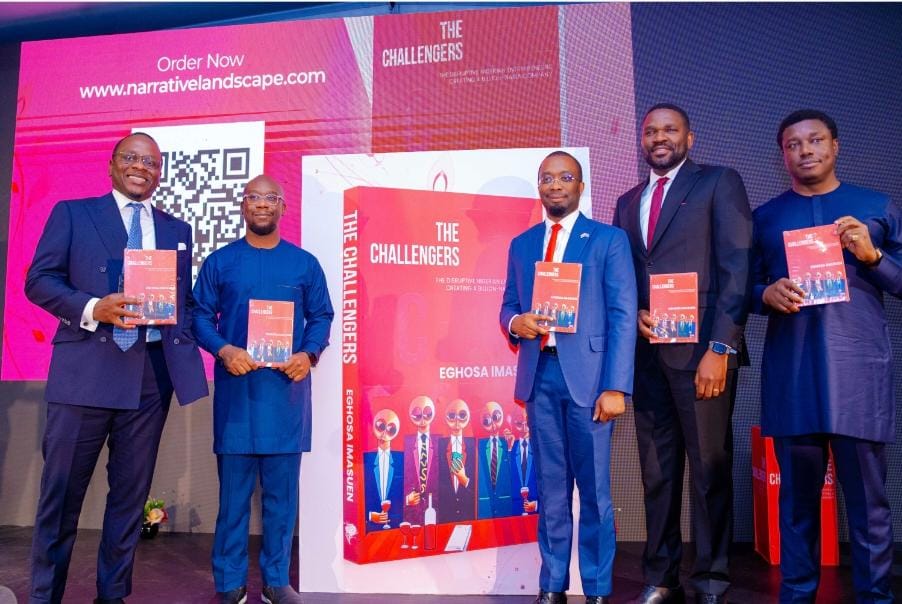
Former President Olusegun Obasanjo has emphasised that the government cannot single-handedly achieve the economic diversification Nigeria desperately needs, stressing the critical role of a strong and dynamic private sector.
In the foreword to Eghosa Imasuen’s new book, ‘The Challengers: The Disruptive Entrepreneurs Creating a Billion-Naira Company’, Obasanjo reflected on his administration’s reforms in the early 2000s.
He noted that the government recognised it could “no longer shoulder the burden of running state-owned enterprises efficiently without pervasive corruption, nor could it lead the country toward the economic diversification we so desperately needed.”
Obasanjo highlighted how privatisation and liberalisation policies under his watch created an enabling environment that allowed the private sector to flourish.
He pointed to the success of entrepreneurs like Aliko Dangote, Femi Otedola, and Emeka Offor as examples of the new class of business leaders who emerged to build industries in power, infrastructure, oil and gas, and other sectors.
“The private sector took up the mantle, providing the innovation and dynamism that a Nigerian government bureaucracy could not,” he said.

The former President also referenced the transformative impact of technological advancements, particularly the advent of mobile telephony and the GSM revolution, which created new opportunities for young Nigerians entering the workforce in the early 2000s.
Obasanjo noted that despite the challenges such as the 2008 global financial crisis, many young Nigerians turned adversity into opportunity, leading to the emergence of innovative companies like The VFD Group.
He praised the story of The VFD Group and its founders, including Nonso Okpala, Ayotunde Aliu, Adeniyi Adenubi, Mobolaji Adewumi, Gbenga Omolokun, Chukwuma Kalu, Azubike Emodi, and others, as a new generation of business people—young men and women who did not let ethnic or regional divisions define them. He noted that with their shared vision, they created a financial institution that was nimble, innovative, and attuned to the needs of a rapidly changing market.
He described the book as more than a business success story, but an account of what is possible when we put aside our differences and focus on building a better future for all.

