 Follow Us on Google News
 Follow Us on Google Discover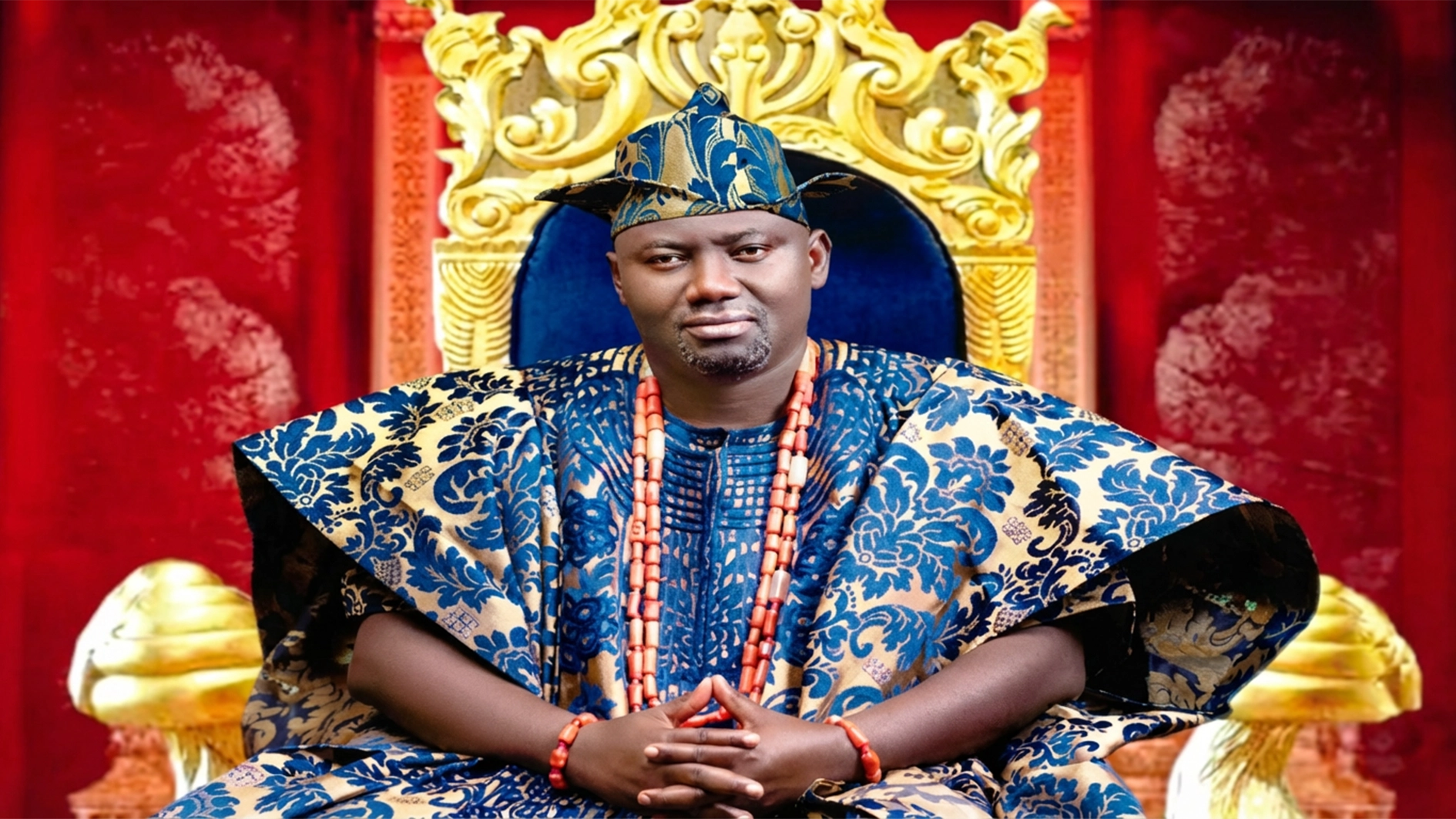
The Alaafin of Oyo, Oba Abimbola Akeem Owoade; a renowned historian and scholar, Professor Toyin Falola, and the Vice-Chancellor of Emmanuel Alayande University of Education (EAUED), Oyo, Professor Olanrewaju Olaniyan, have called for greater recognition of indigenous knowledge systems, insisting that Africa’s academic future depends on integrating its intellectual heritage into mainstream scholarship.
They made the call at the inauguration of the Alaafin Institute of Yoruba Studies at the university of education with the theme: “Preserving the Past, Educating the Future: The Renaissance of Yoruba Intellectualism.”

The event drew traditional rulers, academics, scholars, students and cultural enthusiasts, who gathered to celebrate the formal institutionalisation of Yoruba studies and its role in preserving Africa’s intellectual and cultural heritage.
Delivering the keynote address titled “Yorùbá Mythologies and Their Relevance Today,” Falola urged Nigerian universities and other knowledge institutions to accord Yoruba intellectual traditions the same academic recognition as classical Western philosophies.
According to him, indigenous African knowledge should no longer be regarded as peripheral to global scholarship but embraced as a vital source of philosophical inquiry and intellectual development.
He described Yoruba mythology as more than folklore or religious narratives, arguing that it constitutes a sophisticated philosophical tradition that addresses enduring questions of morality, governance, justice, identity, spirituality and human existence.
“The issue is not whether Yorùbá mythology is significant. The issue is whether universities, publishers, museums and policy institutions are prepared to recognise it as a legitimate body of knowledge,” he said.
Falola advocated the integration of Yoruba philosophy and the Ifá corpus into university curricula alongside classical Western thinkers such as Aristotle and René Descartes.
He said such recognition should extend to philosophy, comparative religion, ethics, literature, anthropology, history and public policy, stressing that African intellectual traditions deserved equal scholarly attention.
In recognition of his contributions to the promotion of Yoruba language, history and culture, the Alaafin Institute of Yoruba Studies honoured Falola with an award for his decades of scholarship, academic leadership and global advocacy for Yoruba civilisation.
Earlier, the Vice-Chancellor, Professor Olaniyan, said the establishment of the institute was informed by the growing global interest in indigenous knowledge systems and the urgent need to preserve Yoruba civilisation from gradual erosion.
He noted that significant aspects of Yoruba history and intellectual traditions remain scattered across archives, museums, libraries, private collections and oral traditions, many of which are increasingly threatened by neglect.
According to him, universities must go beyond expanding enrollment and infrastructure to become centres for preserving historical memory, interrogating inherited knowledge and generating ideas that respond to contemporary societal challenges.
“Every great university is defined not only by the number of its faculties or students, but by its willingness to cultivate knowledge that speaks both to its immediate environment and the wider human community. It is in pursuit of this responsibility that we establish the Institute of Yoruba Studies,” he said.
Olaniyan explained that Oyo was deliberately chosen as the home of the institute because of its historical significance as the seat of one of Africa’s most influential pre-colonial empires.
He pointed out that the old Oyo Empire distinguished itself through sophisticated governance structures, diplomacy, commerce, military organisation and cultural achievements that continue to shape Yoruba identity.
The Alaafin, who commissioned the newly established Alaafin Institute of Yoruba Studies office, described the initiative as a landmark in the preservation and promotion of Yoruba civilisation.
The monarch urged scholars, cultural institutions and governments to continue investing in indigenous knowledge, language and cultural research, noting that such efforts would strengthen Africa’s identity and enrich global scholarship.
The inauguration was attended by traditional rulers, academics, cultural stakeholders and students, underscoring the growing interest in repositioning indigenous knowledge systems within contemporary higher education and national development.

