 Follow Us on Google News
 Follow Us on Google Discover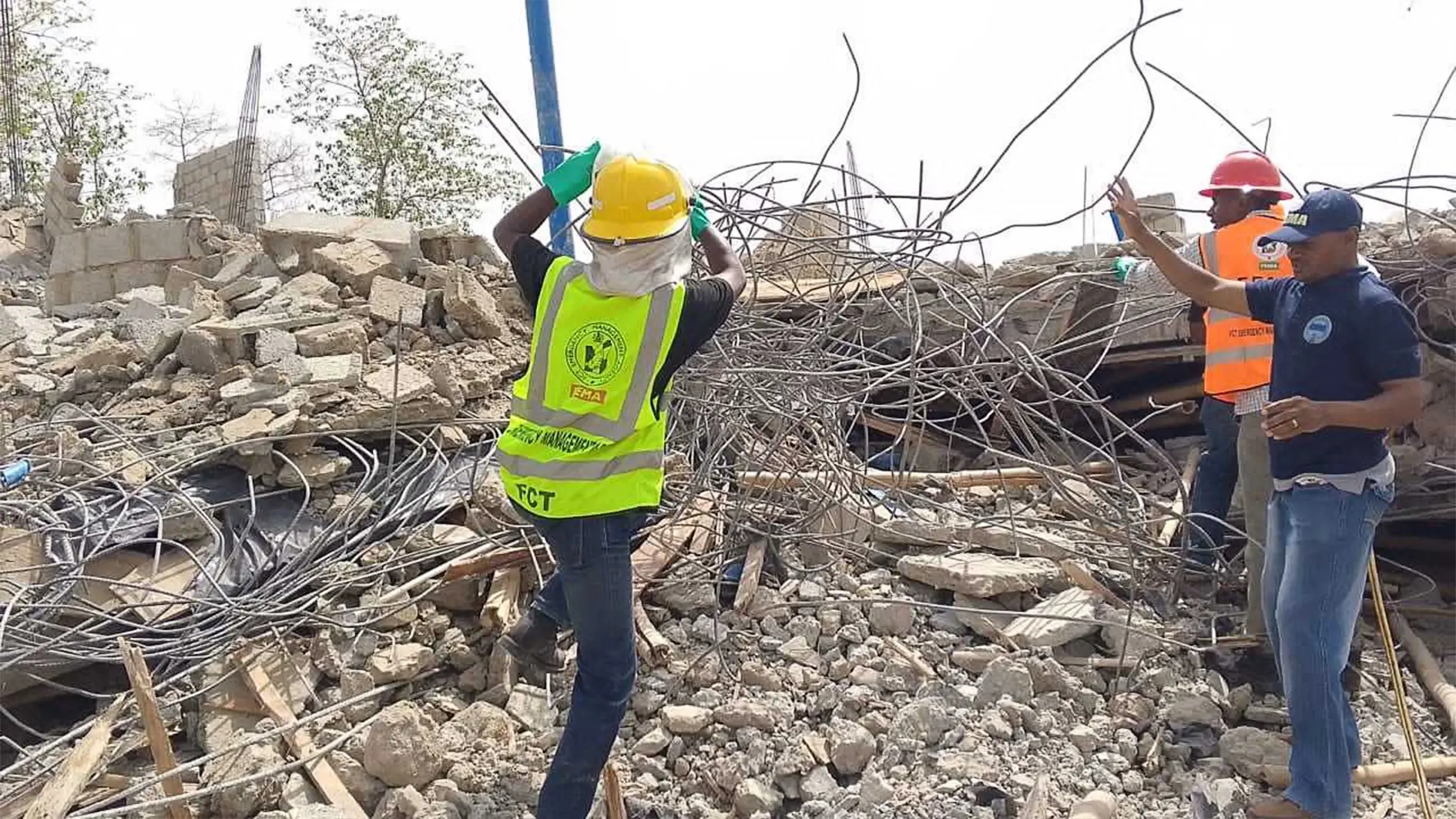
By Chidimma Ayogu
On a Thursday evening in January 2026, a classroom block at Odokekere High School in Ikorodu, Lagos, collapsed into rubble. No children died, but only because the building collapsed after school hours. This near-miss indictment was due to negligence, as the Lagos State Government later admitted it had already marked the building for demolition. The government was aware of the poor infrastructure, allegedly planned to remove it, but did not.

Nigeria has recorded 679 building collapses and over 1,639 deaths since 1974, averaging 17 collapses a year, each involving buildings with building codes that existed only on paper. In the same country, formal complaints against negligent doctors remain surprisingly low despite 33 per cent of Nigerian patients reporting that their doctors’ treatment caused them additional injury. Nigeria has laws across housing and healthcare, yet enforcement remains weak. This failure exposes citizens to preventable harm and violates their civil liberties, including the rights to life, property, and safety. Addressing these violations requires strong accountability for independent enforcement bodies and mandatory professional sanctions.
Nigeria’s National Building Code, despite its 2016 approval and 2018 review, remains unenforced across most states, while citizens continue to lose their lives and property. The lack of enforcement sustains a culture of impunity because, without prosecuting negligent builders, more builders remain negligent. The Medical and Dental Council of Nigeria (MDCN) has a disciplinary tribunal with the authority to sanction negligent doctors, yet it rarely exercises these powers in a visible or deterrent manner. In every sense, the architecture of protection is complete.
Without the government’s willingness to enforce the law, public trust will collapse as citizens realize that the government has promised rights it cannot protect.
Effective enforcement in Nigeria requires institutions to be independent from the government they should hold accountable. Currently, the agencies responsible for building and medical oversight are under ministries that control their funding and appointments.
Civil society organisations (CSOs) offer a different model. Independent, community-funded CSOs can conduct site inspections, publish compliance scorecards, file petitions, and force prosecutions that government agencies quietly shelve. The ECOWAS Court of Justice has already identified CSOs as vital drivers of enforcement across West Africa, noting that judgments alone do not deliver justice. CSOs in the housing and healthcare sectors need the authority to bring violations directly before tribunals, bypassing ministerial channels.
Kenya has shown that targeted enforcement reforms work. After introducing an automated construction permit system in 2015, Nairobi’s building collapses fell from 21 to just two over the next four years.
In the housing and healthcare sectors, where delays can cost lives, Nigeria must ensure civil rights violations are acted on rather than dismissed within ministerial structures.
Nigeria already has the architecture for professional accountability. The Medical and Dental Practitioners Disciplinary Tribunal has powers ranging from suspension to outright de-registration. Also, the Council for the Regulation of Engineering in Nigeria (COREN) can revoke licenses for civil engineers who default.
Enforcing mandatory professional sanctions would significantly change how accountability works. Where there is a proven harm, such as a patient being injured due to negligence or a building being approved beyond safe structural limits, the process would not depend on someone filing a complaint or petition. Instead, the relevant professional body would automatically trigger disciplinary action once it establishes evidence. The body would also formally record these sanctions, ensuring transparency and deterrence.
In the UK, the General Medical Council can restrict, suspend, or revoke a doctor’s license, and publish all decisions openly on the medical register. A doctor who publicly loses a license for harming a patient is a warning the entire profession reads. Implementing a similar enforcement and transparency framework within Nigeria’s medical regulatory system could significantly strengthen accountability and help better protect the right to life.
Structural remedies for such situations include amending the MDCN and COREN Acts to make sanctions mandatory upon proven negligence, rather than discretionary, and to establish a publicly accessible disciplinary register. When professionals know the cost of harm is certain, they stop gambling with people’s lives.
The strong accountability of independent enforcement bodies, such as CSOs, and the imposition of mandatory professional sanctions will help rebuild the social contract between the Nigerian state and its citizens. The direct beneficiaries are the poor, who disproportionately live in uncertified buildings and attend poorly staffed clinics. These steps will also prevent the normalisation of helplessness and civic resignation that lead Nigerians to accept collapsed schools and poor health services as the natural order.
Ayogu is a writing fellow at African Liberty.

