 Follow Us on Google News
 Follow Us on Google Discover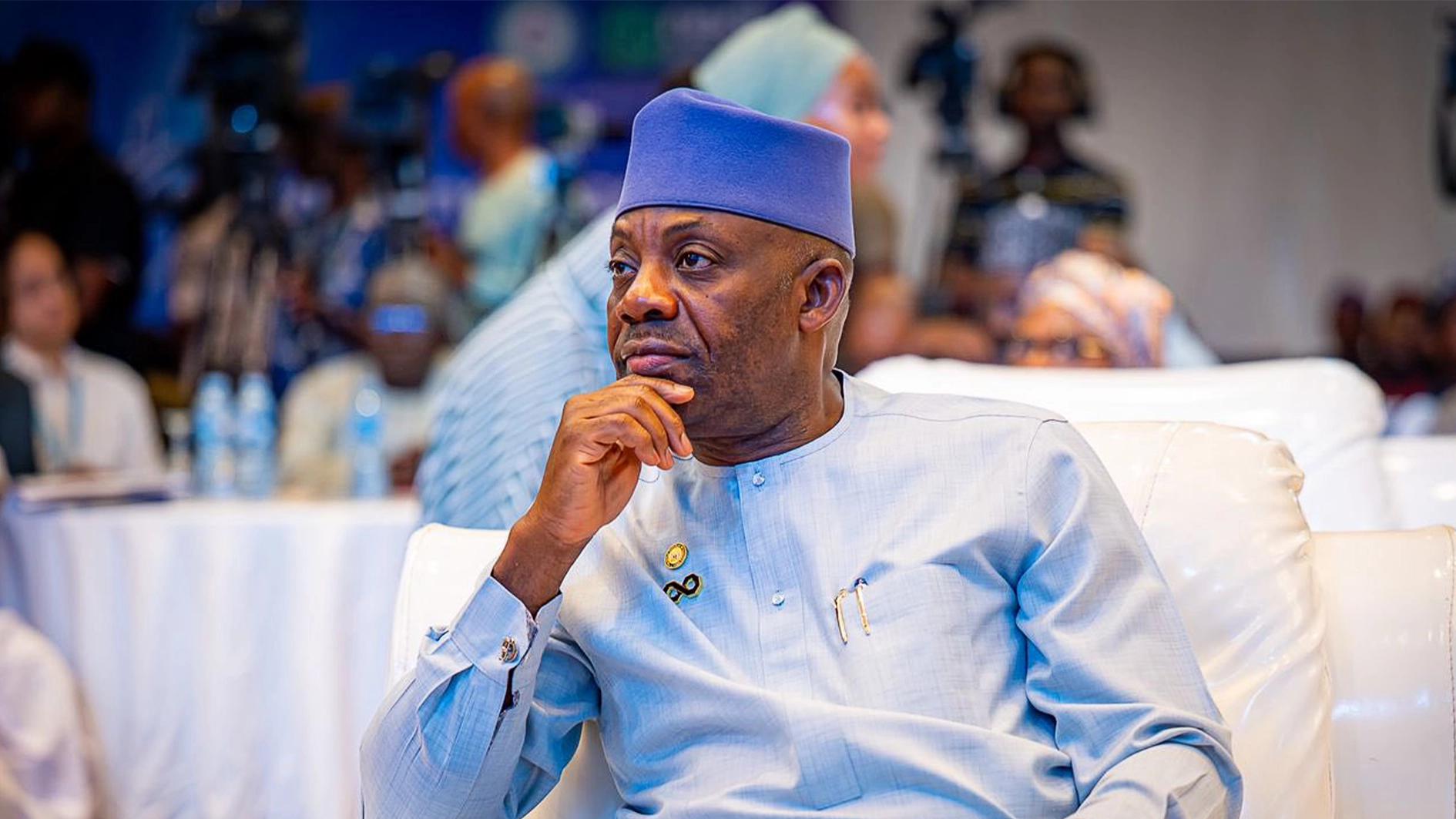
• Plateau mulls sanctions as 23.2% of pupils affected
A comprehensive nationwide household survey to establish a more accurate figure for Nigeria’s out-of-school children is underway, the Minister of Education, Dr Tunji Alausa, has said.
Alausa, who spoke yesterday in Abuja during the 2026 Annual Education Summit of the Education Correspondents Association of Nigeria (ECAN), disclosed that the Federal Ministry of Education was partnering with the National Bureau of Statistics (NBS) to generate reliable data to guide policy decisions and interventions in the sector.
This comes as the Plateau State Government said it was considering stricter measures, including sanctions for parents who fail to enrol their children in school, as part of the measures to reverse the state’s growing number of out-of-school children.
Disclosing this in Jos during an advocacy campaign on the activities of School-Based Management Committees (SBMCs), organised by the Plateau State Universal Basic Education Board (PLSUBEB), the Commissioner for Education, Mrs Kachollom Gang, expressed concern that 23.2 per cent of school-age children in the state were currently out of the classroom.
Gang described the situation as a major concern, attributing the trend to insecurity and other socio-economic challenges confronting the state. According to her, “the issue of out-of-school children has become a menace. Insecurity across the country has contributed significantly to the growing number of children who are not in school, and Plateau is no exception.”

Worried that the state’s efforts to address the situation have so far failed, Gang said the Ministry of Education was considering tougher policies to compel parents to send their children to school. She added: “We will continue to work with traditional rulers, religious leaders and development partners to make this a reality.”
Meanwhile, admitting that the existing 15 million to about 20 million estimates no longer reflect the current reality, Alausa said the widely cited figures of out-of-school children require updating, stressing that the government was committed to replacing assumptions with credible, evidence-based statistics.
According to him, the nationwide household survey will provide a clearer picture of the magnitude and distribution of the challenge, enabling the government to design more targeted interventions to improve access to education.
The minister noted that though the government had succeeded in returning over a million out-of-school children to classrooms over the past two years, obtaining accurate data remains critical to measuring progress and addressing the problem effectively.
He stated the President Bola Tinubu administration’s commitment to evidence-based policymaking, stressing that access to accurate data should empower both the media and citizens to demand greater accountability from public office holders.
He charged journalists to move beyond routine event coverage to investigative reporting that highlights the gaps in the education sector and tracks government performance, using verifiable evidence.
According to him, quality journalism, backed by credible data, will not only strengthen accountability but also improve education outcomes across the country.
Also speaking, the Executive Secretary of the Universal Basic Education Commission (UBEC), Aisha Garba, reaffirmed the commission’s commitment to ensuring that every Nigerian child has access to quality basic education regardless of background or location.
For his part, the Chairman of Federal Capital Territory NUJ Council, Grace Ike, called on the media to intensify efforts towards promoting accountability and public awareness in the education sector.
Earlier, ECAN Chairman, Chuks Ukwauta, identified inadequate funding, poor infrastructure, lack of teacher development, weak learning outcomes and the growing population of out-of-school children as some of the major challenges requiring urgent attention.

