 Follow Us on Google News
 Follow Us on Google Discover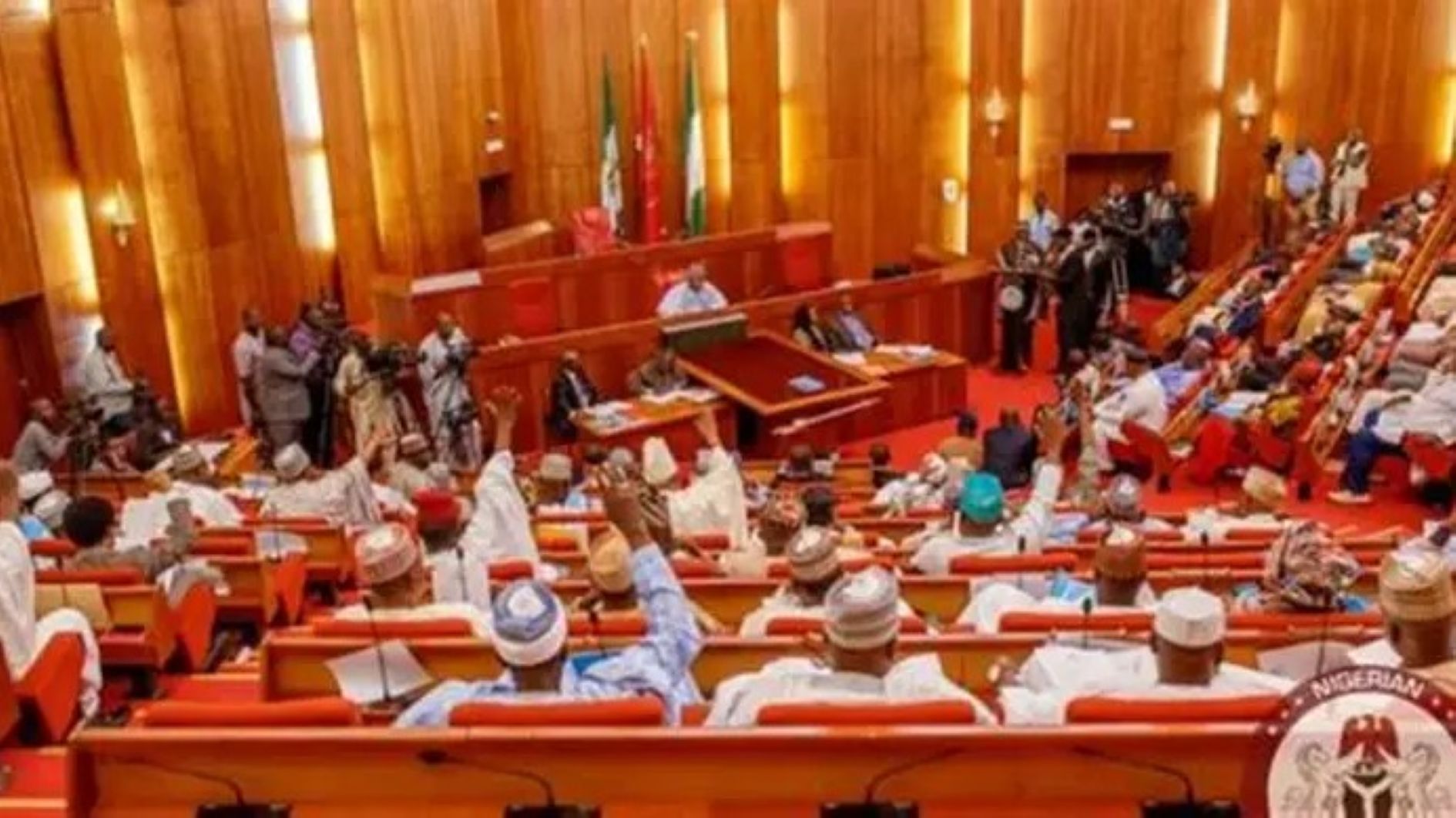
Senate Public Accounts Committee has issued a one-week ultimatum to external auditors of the Nigerian National Petroleum Company Limited (NNPCL) to account for more than N210 trillion in unreconciled figures contained in the company’s audited financial statements.
It said that auditors, who certified the accounts, could not evade responsibility for defending them.

The committee, chaired by Ibrahim Dankwambo, handed down the directive yesterday after a tense hearing during which lawmakers rejected repeated attempts by the auditors to refer questions back to the NNPCL, insisting that the figures they signed off on must be fully explained.
At the heart of the controversy are N107 trillion recorded as receivables and N103 trillion listed as payables in the company’s audited accounts.
The lawmakers said the figures remain unexplained because neither the NNPCL nor its auditors had produced schedules identifying the transactions, counterparties or calculations behind them.
The auditors, however, informed the committee that the supporting schedules formed part of their working papers and requested about two weeks to retrieve the documents.
The request was firmly rejected.
Dankwambo questioned why auditors, who had certified the accounts, could not immediately produce documents supporting the figures.
“When you have figures in audited financial statements, there must be schedules showing exactly how those figures were derived. If those schedules already exist in your working papers, why do you need additional time before presenting them to this committee?” he queried.
But the audit firm said that the NNPCL remained its client and that detailed explanations should ordinarily come from the company, recalling that during an earlier hearing, lawmakers had agreed that NNPCL officials would explain the figures.
That position drew sharp criticism from the committee.
The committee said that NNPCL, being wholly owned by the Federal Government on behalf of Nigerians, could not invoke commercial secrecy to shield information from the Parliament.
“NNPCL belongs to the Nigerian people, not to private shareholders. Parliament has every constitutional right to examine its accounts, and no confidentiality agreement can override that responsibility,” a lawmaker said.
The auditors were thereafter discharged and directed to reappear before the committee within one week with the requested documentation.
RELATEDLY, the House of Representatives Committee on Finance has demanded a comprehensive breakdown of the estimated N34 trillion worth of import duty waivers granted in 2025,
It, however, directed the Nigeria Customs Service (NCS) to disclose the beneficiaries, legal basis and objectives of the concessions as part of efforts to ensure transparency and accountability in the implementation of the Federal Government’s fiscal incentives.
The committee also faulted the NCS over what it described as inconsistencies in its revenue reporting, insisting that the agency must explain how it generated collections above its approved revenue targets and reconcile apparent disparities in its monthly financial records.
Chairman of the committee, James Abiodun Faleke, gave the directive when the management of the NCS appeared before the panel as part of the National Assembly’s ongoing revenue monitoring and oversight exercise.
Faleke said the committee was not opposed to the government’s waiver policy, noting that such incentives remained legitimate tools for stimulating economic growth and supporting key sectors.
He, however, maintained that lawmakers had a constitutional duty to ensure that the concessions were granted transparently and achieved their intended objectives.
According to him, the committee wants to know who benefited from the waivers, the legal authority under which they were approved and whether they translated into measurable gains for the economy.
The committee equally queried the NCS over its revenue presentation, saying that while the agency had consistently exceeded its yearly targets, the documents submitted to lawmakers did not clearly explain the sources of the additional revenue.
Faleke said proper financial accountability required the NCS to provide a detailed month-by-month analysis showing why revenue collections fluctuated and how the excess earnings were realised.
Deputy Chairman of the committee, Saidu Mohammed Abdullahi, said the Federal Government should consider raising the revenue targets assigned to the NCS, saying that its consistent over-performance showed the agency possessed greater revenue-generating capacity than currently projected.
Responding on behalf of the Comptroller-General of Customs, Bashir Adeniyi, the Deputy Comptroller-General in charge of Finance, Administration and Technical Services, Kikelomo Adeola, clarified that the NCS does not approve import duty waivers.
She said that approvals are granted by the Federal Ministry of Finance in accordance with existing laws and government policy, while the Customs merely implements the approvals.

