 Follow Us on Google News
 Follow Us on Google Discover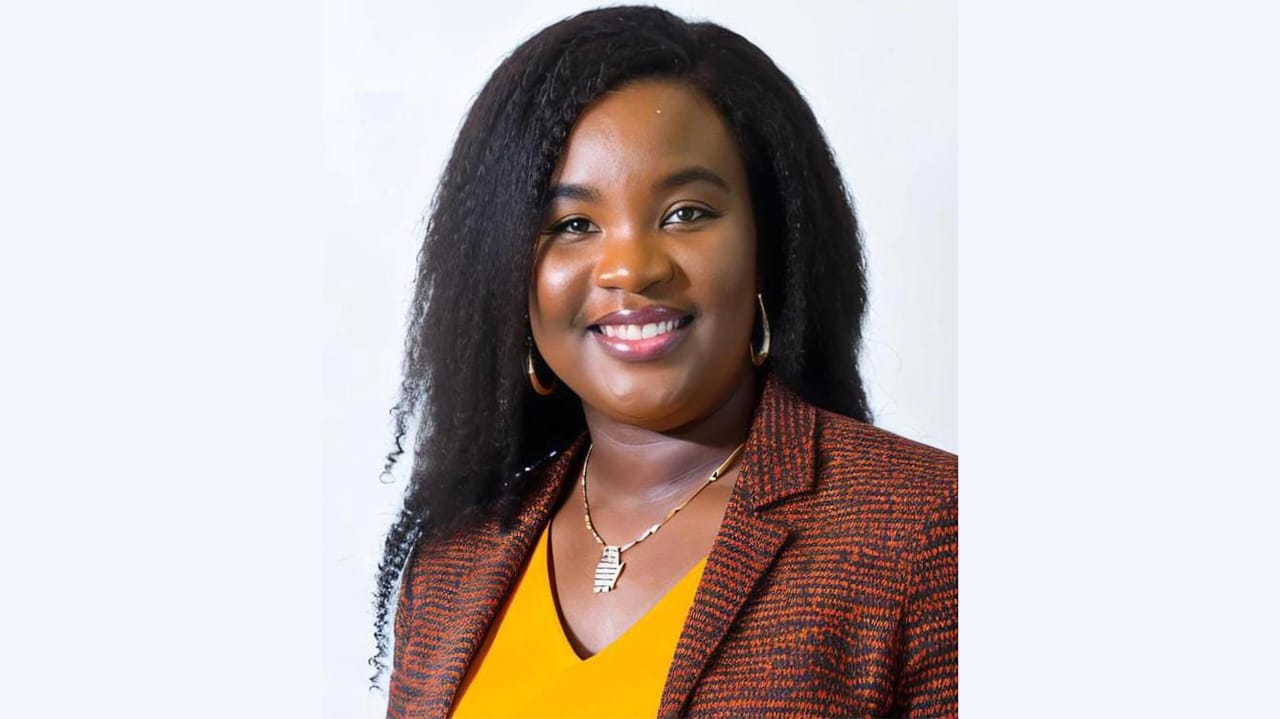
By Priscilla Adebayo
The release of the abducted orire pupils and teachers in Oyo State is a moment of relief, but it is not yet a moment of recovery. Kidnapping is not only a security breach; it is a traumatic disruption of safety, trust, attachment, learning, and community belonging. The children and teachers’ return marks the end of captivity, not the end of harm, and the state must now respond with urgency, compassion, and expertise.
Following the rescue, President Bola Tinubu directed federal emergency response agencies to coordinate with the Oyo State Government to provide the victims with medical care, psychosocial support, and other necessary assistance, while Governor Seyi Makinde pledged that reuniting the victims with their families and supporting their rehabilitation would be the state’s immediate priority. That commitment creates both an opportunity and an obligation: an opportunity to design a recovery pathway responsive to survivors’ particular experience, and an obligation to ensure the promised psychosocial support is grounded evidence rather than improvised.
Writing as an expert in international conflict management and post-conflict healing; who has worked with survivors of war and displacement, I would argue that survivors of kidnapping should be treated much as survivors of war, disasters, and other extreme stress events are treated: immediate safety first, then careful emotional stabilization, then phased reintegration into normal life. A child in lower primary school, an adolescent, and a classroom teacher do not experience the same event in the same way, and each deserves an age-appropriate response. For Oyo State to respond responsibly, it must move from rescue operations to a structured program of psychosocial stabilization, age-appropriate trauma care, family reintegration, school-based recovery, and long-term community protection. This four-part series sets out what that program should look like, layer by layer, beginning here with the direct survivors and the principles that should guide every stage of their care.
Direct victims first
The children and teachers who were abducted occupy the highest level of trauma exposure, having faced direct captivity, threat, fear, and prolonged uncertainty. Younger children are likely to show trauma through behaviour rather than words: sleep disturbance, clinginess, mutism, bed wetting, regression, and panic at separation. Older children and adolescents may show anger, shame, withdrawal, distrust, and catastrophic thinking. Teachers may carry intrusive memories, hypervigilance, helplessness, guilt, and moral injury after being unable to protect the children in their care. Because a lower-primary pupil, a junior secondary student, and an adult teacher process terror differently, Oyo should adopt developmentally matched interventions from the first week of release.

What healing should look like
I have designed a trauma-informed resource model, with a step-by-step implementation sequence, that will be explained in detail in the parts that follow. In brief, it gives intervention teams a practical, evidence-based toolkit for responding to trauma exposure among students aged three to seventeen and to secondary trauma among staff, built around four complementary layers: Psychological First Aid as the immediate, non-clinical response in the hours and days after release; Trauma-Focused Cognitive Behavioural Therapy (TF-CBT) as the leading clinical treatment for children and adolescents with trauma symptoms, delivered jointly with a non-offending caregiver; a Mind-Body Group protocol to protect teachers from secondary traumatic stress and compassion fatigue; and age-banded red-flag guidance that helps non-clinical staff recognize when a child or colleague needs referral.
Phase one: Psychological First Aid and stabilisation
The first intervention for both pupils and teachers should be Psychological First Aid, not immediate deep debriefing, a humane, practical approach that emphasizes safety, calm, connection, dignity, and assistance rather than forced retelling of traumatic events, as described in guidance jointly issued by the World Health Organization, the War Trauma Foundation, and World Vision International. In practical terms, this means the newly released victims should be protected from media spectacle, repeated questioning, and chaotic public visits. There should be no pressure on pupils or teachers to perform gratitude before they have had time to breathe. They need food, sleep, hydration, family contact, medical checks/screening and a quiet shelter and environment where the nervous system can begin to settle.
This phase is strongly aligned with the psychologist Stevan Hobfoll’s five essential principles for post-trauma intervention: promoting safety, calming, self- and collective efficacy, connectedness, and hope. Safety means visible protection; calming means reducing chaos; connectedness means rapid family reunification; efficacy means helping survivors make small choices again; hope means framing rescue as the beginning of restoration rather than the end of the story.
Oyo’s true response to this tragedy will be judged not only by the rescue of those taken, but by whether the state restores confidence in schooling itself. A serious government must heal the center and secure the wider circle at the same time, because trauma spreads socially and safety must be rebuilt collectively.
Why age matters in trauma recovery
Developmental psychology makes clear that trauma is filtered through age, language, cognition, and attachment. Younger children often cannot narrate distress in coherent verbal form; they express it through behaviour, sleep disturbance, regression, clinginess, aggression, or play themes. Older children and adolescents are more able to name fear and shame, but may also struggle with guilt, distrust, social withdrawal, anger, and a heightened sense of threat. Adults, including teachers, may present with intrusive memories, hypervigilance, helplessness, guilt, moral injury, or secondary traumatic stress after feeling unable to protect the children in their care.
This age-sensitive approach rests on established developmental theory. Erikson’s psychosocial framework suggests that children and adolescents are engaged in stage-specific tasks such as building trust, competence, identity, and social confidence, and trauma interrupts those tasks. Attachment theory likewise explains why sudden, violent separation from caregivers, home, and ordinary routines can deeply unsettle children, especially the youngest. Any Oyo recovery framework should therefore place safety, predictable caregiving, and trustworthy adult presence at the center of intervention.
What Oyo State should do now
Principle without practical follow-through will not help a single traumatized child. In the first thirty days after any release, Oyo State should:
1. Activate a dedicated psychosocial coordination unit within 24 hours of release, jointly staffed by the Ministries of Health, Education, and Women Affairs and Social Inclusion.
2. Deploy mobile medical and mental health teams directly to reunification sites, rather than requiring traumatized families to travel for basic care.
3. Set up a private, secure family reunification center away from cameras and crowds, stocked in advance with food, caterers, rest areas, and private rooms.
4. Restrict media and public access to the rescued pupils and teachers for a minimum four-week stabilization window, with one official spokesperson issuing all updates.
5. Assign each family a dedicated case manager to coordinate medical, psychological, and educational needs, rather than leaving them to navigate multiple agencies alone.
6. Commission validated trauma-symptom screening within the first month to identify who needs intensive clinical care versus community-level support.
7. Conduct clinical screening to identify acute stress, severe anxiety, dissociation, suicidality, or probable PTSD.
8. Gazette a specific emergency psychosocial response budget line, rather than relying on ad-hoc donations or one-off pledges.
9. Publish a dated, public recovery plan and timeline, so families and the public can hold the state accountable for the support that has been promised.
10. Agree a staged, individualized return-to-school timeline with school leadership, rather than a single announced reopening date for every pupil at once.
The next part of this series turns from first response to full recovery: how age-differentiated therapy, teacher-specific care, family reintegration, and school-based recovery should be sequenced and delivered in the weeks and months that follow.
Barrister Adebayo is an indigene of Oyo State, born and raised in Ogbomoso town. She works with survivors of conflict in post-conflict and resettlement contexts, supporting them to rebuild meaningful and fulfilling lives beyond their traumatic pasts through evidence-based psychosocial interventions and tailor-made programs. She is the founder of Self-Actualization for Refugee Women Incorporated, a non-profit organization based in Georgia, USA, dedicated to helping refugee women discover renewed purpose and pursue their full potential despite the adversity they might have experienced. She is also a doctoral candidate in the International Conflict Management program at Kennesaw State University, Georgia, USA.
Contact: [email protected]

