 Follow Us on Google News
 Follow Us on Google Discover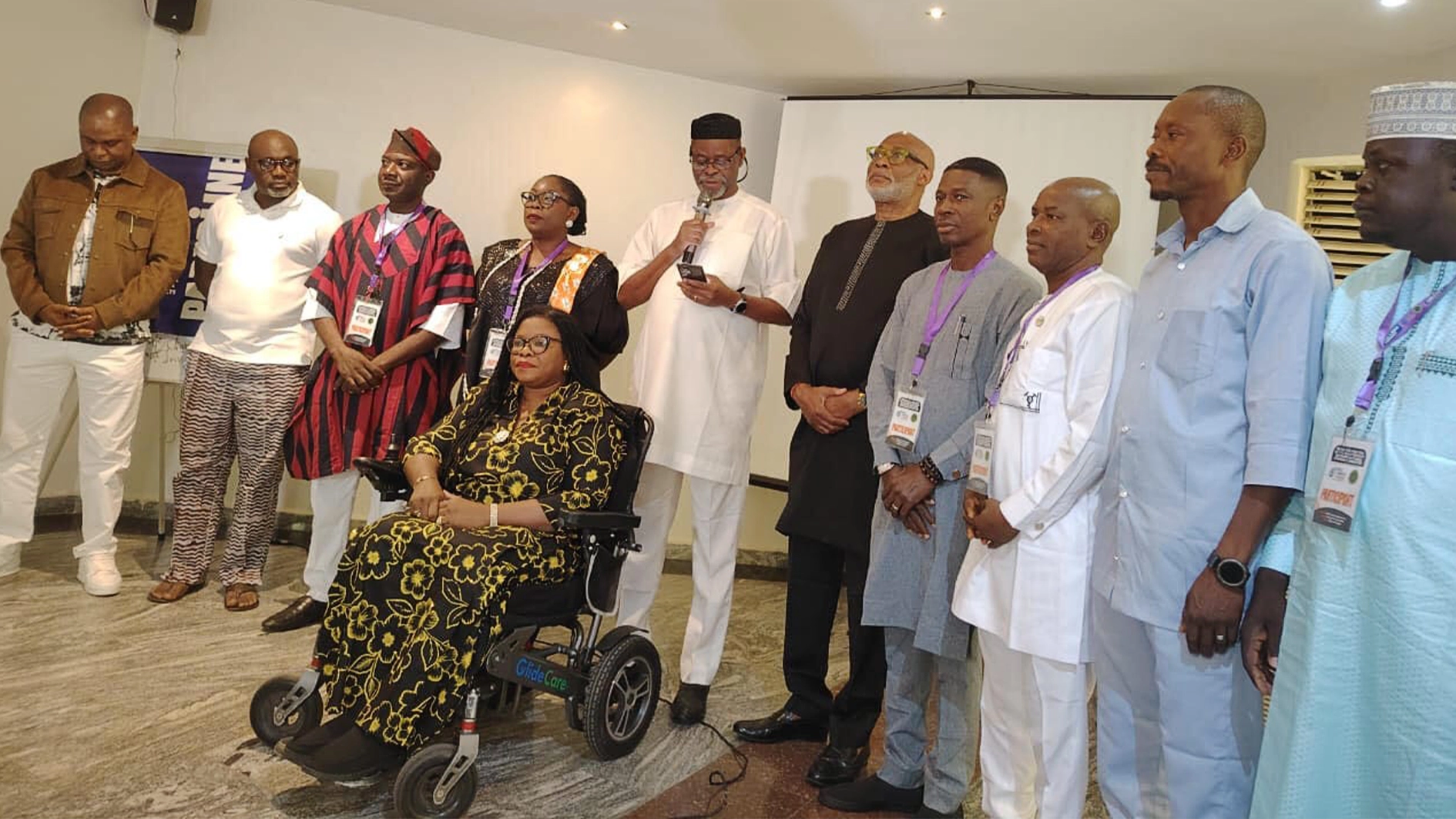

The Male Feminists Network (MFN) has trained more than 11,700 male allies across Nigeria in just over one year, significantly surpassing its initial target of 1,000 participants, as it intensifies efforts to mobilise men and boys against Gender-Based Violence (GBV) and promote positive masculinity nationwide.
The achievements were unveiled on Friday in Abuja during the inauguration of the MFN Steering Committee and the decoration of the pioneer Ambassadors for the Prevention of Gender-Based Violence.
Presenting an overview of the project, the Director of Monitoring, Evaluation and Learning at the African Centre for Leadership, Strategy and Development (Centre LSD), Dr. Victoria Oseyande Udoh, said the initiative has evolved into a national movement with active structures across Nigeria’s six geopolitical zones through six implementing partners.
Udoh explained that the project, titled “Core Support for Building a Network of Male Feminists to Prevent Gender-Based Violence in Nigeria,” commenced in April 2025 with a target of training at least 1,000 male leaders and grassroots influencers. However, within one year, the programme recorded a direct national reach of 11,721 participants.
She disclosed that 52 master trainers were trained across the six geopolitical zones and subsequently equipped more than 500 community leaders, traditional rulers and professionals with the skills to champion gender equality and prevent GBV.
According to her, implementing partners also directly trained 3,169 men and boys drawn from traditional and religious institutions, transport unions, schools, youth organisations, farmers’ associations, traders’ groups, civil society organisations and community leadership structures.
Udoh added that the network’s online certification platform further broadened its impact, attracting 8,552 participants, of whom 3,200 Nigerians successfully completed certification as male allies committed to advancing gender justice in their communities.
She said the combination of community-based engagements and digital learning enabled the project to achieve both scale and depth, creating one of Nigeria’s largest organised networks of male advocates against Gender-Based Violence.
Beyond the numbers, Udoh said the initiative established and strengthened Male Feminists Networks in multiple states while securing stronger commitment from traditional, religious and community leaders to challenge harmful gender norms and promote gender-sensitive practices.
She noted that sustained engagement with traditional and digital media significantly increased public awareness of positive masculinity and GBV prevention, helping to reshape public discourse around men’s roles in promoting equality.
The project also built the leadership capacity of male champions through mentorship and advocacy programmes, enabling them to spearhead campaigns in schools, workplaces, faith communities and local governance structures.
According to her, another key achievement was the strengthening of collaboration between male allies, women’s rights organisations and government institutions, ensuring that men’s participation complements rather than competes with women’s leadership in advancing gender equality.
While acknowledging variations in performance among implementing partners, Udoh said several organisations exceeded their assigned targets, contributing to the project’s impressive national footprint.
Project Director of the Male Feminists Network, Dr. Otive Igbuzor, described the inauguration of the Steering Committee as another milestone in the network’s transition into a sustainable national movement.
He said the committee would provide strategic leadership, policy direction and institutional guidance needed to consolidate the gains already recorded while expanding advocacy to eliminate Gender-Based Violence across the country.
Igbuzor stressed that the network was founded on the conviction that gender equality cannot be achieved by women alone, insisting that men and boys must become accountable allies in dismantling harmful patriarchal norms.
“The Male Feminists Network was established to organise, educate, inspire and mobilise men and boys as accountable allies who support women’s leadership, challenge harmful masculinities and contribute meaningfully to preventing Gender-Based Violence,” he said.
He described the decoration of the pioneer Ambassadors for Prevention of GBV as more than a ceremonial exercise, urging the ambassadors to serve as visible champions of gender equality, responsible fatherhood and violence prevention.
According to him, the progress recorded within just over a year demonstrates that engaging men as partners in advancing gender justice can produce measurable social impact and lay the foundation for lasting societal transformation.
With active structures across Nigeria’s six geopolitical zones and a growing network of 11,721 trained male allies, community leaders, professionals and institutional partners, the Male Feminists Network says it is positioning itself as one of the country’s leading platforms for mobilising men to challenge harmful social norms, promote positive masculinity and support the elimination of Gender-Based Violence.

