 Follow Us on Google News
 Follow Us on Google Discover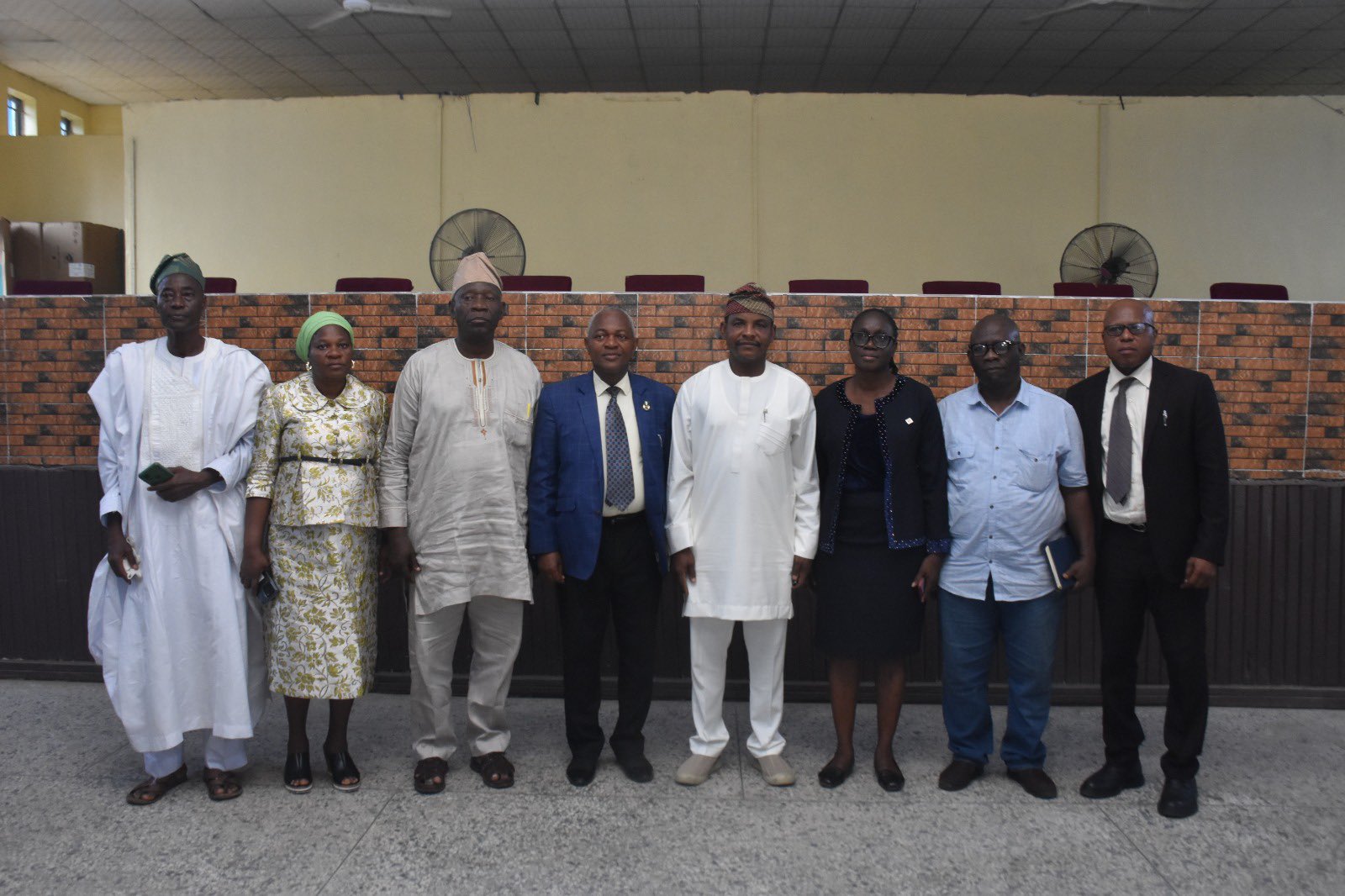
The Lagos State Government has officially begun the 2026 Annual School Census with the launch of the Digital National Education Management Information System (DNEMIS), ending the long-standing manual process of collecting education data across public and private primary and secondary schools.
The rollout was flagged off on Thursday at Ikeja Junior Grammar School, Bolade-Oshodi, marking a major shift in how the state gathers and manages education records. The move aligns with a Federal Government directive requiring all states to adopt the National Education Management Information System for education data collection.
Speaking at the event, the Commissioner for Basic and Secondary Education, Jamiu Tolani Alli-Balogun, described the transition as a significant step toward building a more efficient and reliable education system.
He explained that the Annual School Census plays a key role in shaping government decisions on education, from policy formulation and budgeting to the fair distribution of resources across schools.
According to him, moving to a digital platform will improve the accuracy, credibility, and speed of data collection while giving education authorities access to more dependable information for planning.
Alli-Balogun also reaffirmed the state’s commitment to supporting the Federal Government’s drive to digitise education administration, adding that the ministry will provide schools with the guidance and technical support needed for a smooth transition.

He urged proprietors of private schools, principals, head teachers, and education officers to cooperate fully by submitting accurate and complete information through the new digital platform.
Also speaking, Chairman of the Lagos State Coordinating Unit and Acting Statistician-General, Bashir Temitayo Oseni-Ope, said the introduction of the Digital NEMIS would strengthen the integrity of education data and promote evidence-based decision-making.
He noted that reliable data remains the foundation for effective planning, monitoring, and evaluation of education programmes, stressing that the success of the exercise depends on the active participation of every school in the state.
The Annual School Census serves as Nigeria’s official source of education statistics, capturing information on student enrolment, teaching and non-teaching staff, school infrastructure, learning facilities, and other critical indicators used for both state and national education planning.
With the new digital system, the government expects to reduce errors commonly associated with manual data collection, eliminate duplicate records, improve transparency, strengthen data validation, and provide real-time information for faster and better decision-making.
As one of Nigeria’s leading education hubs, Lagos says the adoption of the digital platform reflects its commitment to using technology to improve education planning and deliver better learning outcomes for students across the state.
The government has therefore called on all public and private primary and secondary schools to participate fully in the 2026 Annual School Census and comply with the new digital reporting process.

