 Follow Us on Google News
 Follow Us on Google Discover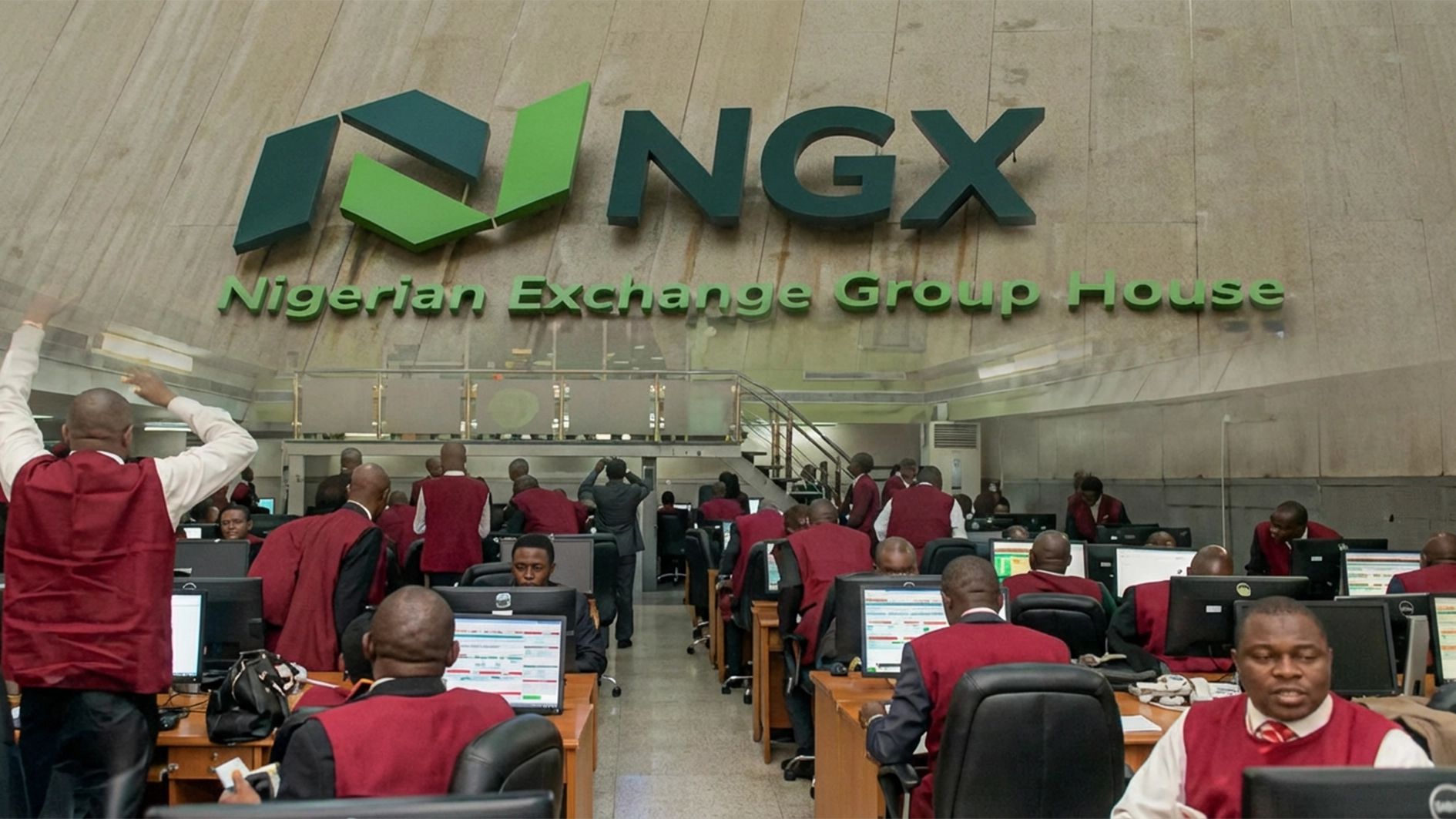
Shareholders have stressed the need for strict enforcement of the 20 per cent free float requirement to enhance liquidity, price discovery and investor confidence.
The shareholders argued that while regulators are seeking ways to deepen the capital market and attract more listings, many of the country’s biggest listed companies still have only a small proportion of their shares available for public trading.
They warned that unless the free float rule is fully enforced, investors would continue to contend with liquidity issues, which would continue to limit market activities despite the strong rally witnessed in the equities market.
Their position comes as the Securities and Exchange Commission (SEC) and the Nigerian Exchange Limited (NGX) review existing free float thresholds following concerns over low volume of tradable shares in some of the market’s largest companies.
President of the New Dimension Shareholders Association of Nigeria, Patrick Ajudua, said the 20 per cent free float requirement was introduced to broaden share ownership, improve stock liquidity and increase the volume of shares traded on the exchange.
He argued that the regulation had not been adequately enforced, noting that several companies, particularly those on the premium board, still have controlling shareholders holding more than 80 per cent of their shares.

“The essence of the 20 per cent free float is to strengthen shareholding diversity, improve liquidity and increase the quantity of shares available for trading. Unfortunately, enforcement has not been strong enough and we still have companies that are not fully complying,” he said.
According to Ajudua, the concentration of shares in the hands of a few core investors has reduced the number of shares available to the investing public, making it difficult for investors to buy the volume of shares they need.
“When the majority of the shares are held by investors who are not trading them, liquidity suffers.
Investors cannot get enough shares to trade and that affects price movement and overall market activity.
The regulators must be serious about enforcing compliance,” he added.
Also speaking, a former president of the Ibadan Zone Shareholders Association of Nigeria, Eric Akinduro, described free float as one of the key factors that determine the strength and efficiency of the stock market.
He explained that the percentage of shares available for public trading affects liquidity, price determination and investor participation, adding that companies with very low free floats create an artificial scarcity of shares.
“Free float is good for the market because it determines how many shares are available for investors to trade. When only a few shareholders control most of the shares, liquidity becomes low and investors find it difficult to buy the stock,” he said.
Akinduro noted that while the free float requirement does not discourage new listings or IPOs, regulators must ensure that all listed companies comply with the rules.
He expressed confidence that stronger enforcement would improve liquidity, increase trading activity and make the market more attractive to both domestic and foreign investors.
Also speaking, President of the Independent Shareholders Association of Nigeria, Moses Igbrude, stressed that maintaining an adequate free float is essential to the efficient functioning of the stock market.
Igbrude urged regulators to monitor compliance with the free float requirement across all listed companies to ensure transparency in price determination and enhance investors’ confidence in the market.

