 Follow Us on Google News
 Follow Us on Google Discover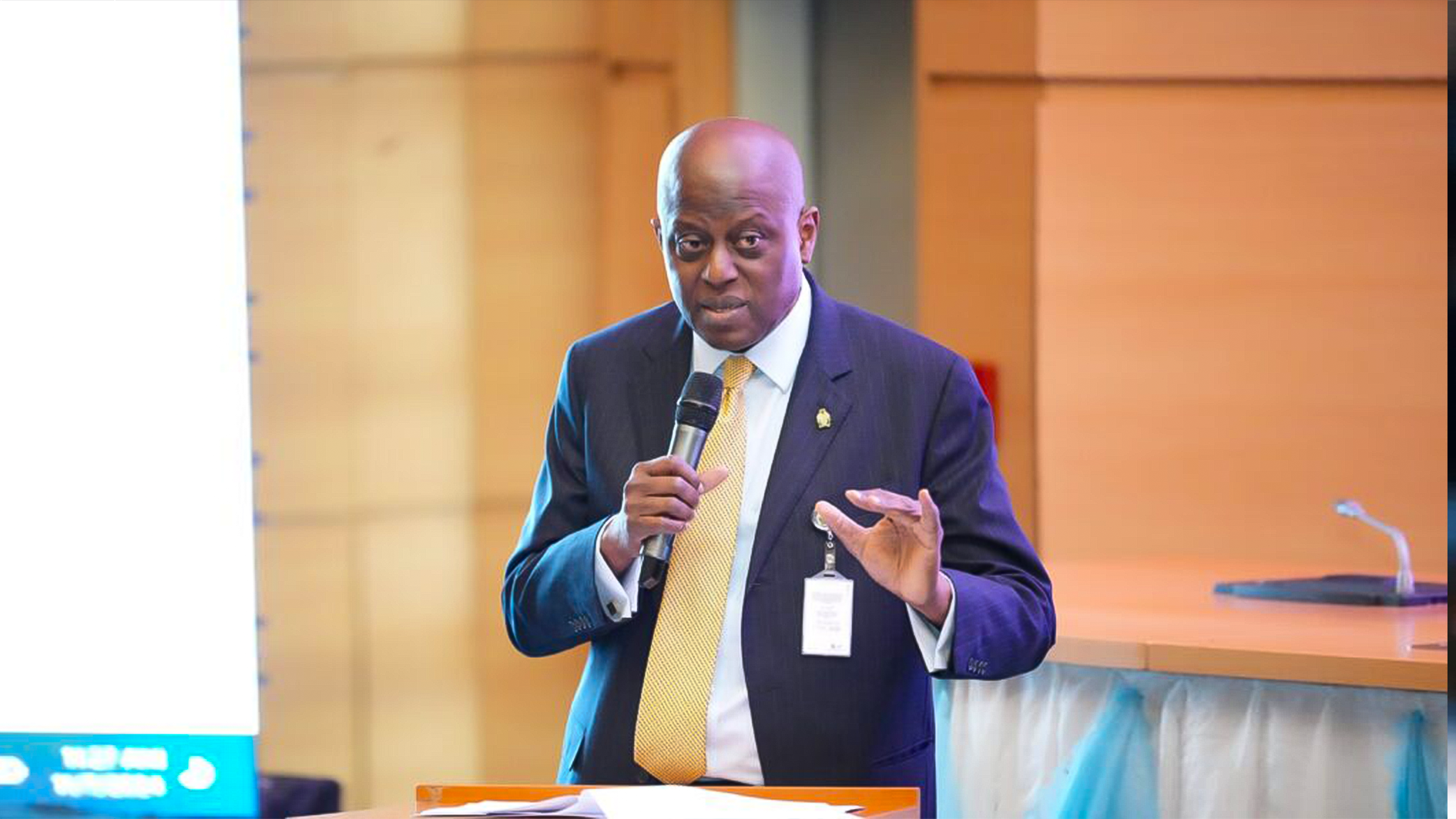
Senate moves to tighten oversight on foreign aid
The Governor of the Central Bank of Nigeria (CBN), Olayemi Cardoso, has declared that Nigeria’s economy has become increasingly resilient to external shocks, assuring lawmakers that recent monetary reforms have strengthened the country’s capacity to withstand global economic turbulence.
Cardoso gave the assurance during an interactive session with the Senate Committee on Banking, Insurance and Other Financial Institutions, where he presented an assessment of the nation’s economic outlook amid persistent global uncertainties, including geopolitical tensions in the Middle East and volatility in international financial markets.
The CBN governor told the committee that despite mounting external pressures, Nigeria’s economy has continued to record positive performance across critical sectors, reflecting what he described as the growing impact of ongoing macroeconomic and financial sector reforms.
According to him, the country’s economic fundamentals have strengthened considerably, with expanding activities in key productive sectors easing inflationary pressures and improving stability in the foreign exchange market.
Cardoso attributed the gains to a series of policy reforms implemented by the apex bank to restore confidence in the financial system, deepen market transparency and improve macroeconomic stability.
He assured senators that the banking sector remains sound, adequately capitalised and resilient, stressing that the CBN continues to maintain robust regulatory oversight to safeguard depositors’ funds and preserve financial system stability.
The CBN governor also highlighted a significant improvement in diaspora remittances through official channels, describing it as one of the major successes of the bank’s reform agenda.
He disclosed that monthly remittance inflows have surged from about $200 million to over $600 million, representing a threefold increase within a relatively short period.
According to Cardoso, the increase reflects renewed confidence among Nigerians in the diaspora in the country’s official foreign exchange market following reforms introduced by the apex bank.
He said the CBN is now targeting $1 billion in monthly diaspora remittances, a development he noted would further strengthen Nigeria’s foreign exchange reserves, support exchange rate stability, and boost economic growth.
Beyond improving remittance inflows, Cardoso said the CBN remains focused on achieving monetary and price stability while creating an enabling environment for sustainable economic expansion.
MEANWHILE, the Senate yesterday advanced a far-reaching bill aimed at bringing billions of naira in foreign aid and donor-funded interventions under stricter government oversight, citing growing concerns over accountability gaps, financial transparency and potential national security risks associated with unregulated funding to Non-Governmental Organisations (NGOs).
The proposed legislation, sponsored by Senator Ibrahim Hassan Dankwambo (Gombe North), passed second reading after lawmakers argued that foreign grants, humanitarian assistance and donor-funded projects flowing into Nigeria have, for years, operated under a fragmented system that allows significant funds to escape effective monitoring.
Leading the debate, Dankwambo said Nigeria remains one of Africa’s major recipients of grants, technical assistance, humanitarian support and concessional financing from bilateral and multilateral development partners, yet the country lacks a comprehensive legal framework to coordinate and track such inflows.
He warned that donor-funded projects are scattered across ministries, departments and agencies, while many interventions are implemented outside the national budget process, resulting in duplication, weak coordination and poor accountability.
According to him, the bill seeks to ensure that all foreign assistance received in Nigeria is brought under constitutional oversight and fully integrated into the country’s fiscal and development planning architecture.
The proposed legislation would establish a National Donor Coordination Framework, compel the registration of all donor-funded projects, create a national database of foreign assistance, integrate donor interventions into government budgets, mandate public disclosure of funding and implementation details, and prescribe sanctions for the diversion, misuse, or non-registration of foreign aid.
Meanwhile, the bill drew overwhelming support from lawmakers, many of whom expressed alarm over the lack of visibility into donor funds channelled through NGOs and state governments.
Senate Chief Whip, Tahir Monguno, described the legislation as both timely and necessary, arguing that donor agencies currently determine the disbursement of foreign assistance with little domestic coordination.
The Deputy Senate President, Barau Jibrin, noted that while foreign assistance received directly by the federal government is often reflected in the national budget, substantial funding channelled to NGOs and sub-national governments remains largely beyond public scrutiny.

