 Follow Us on Google News
 Follow Us on Google Discover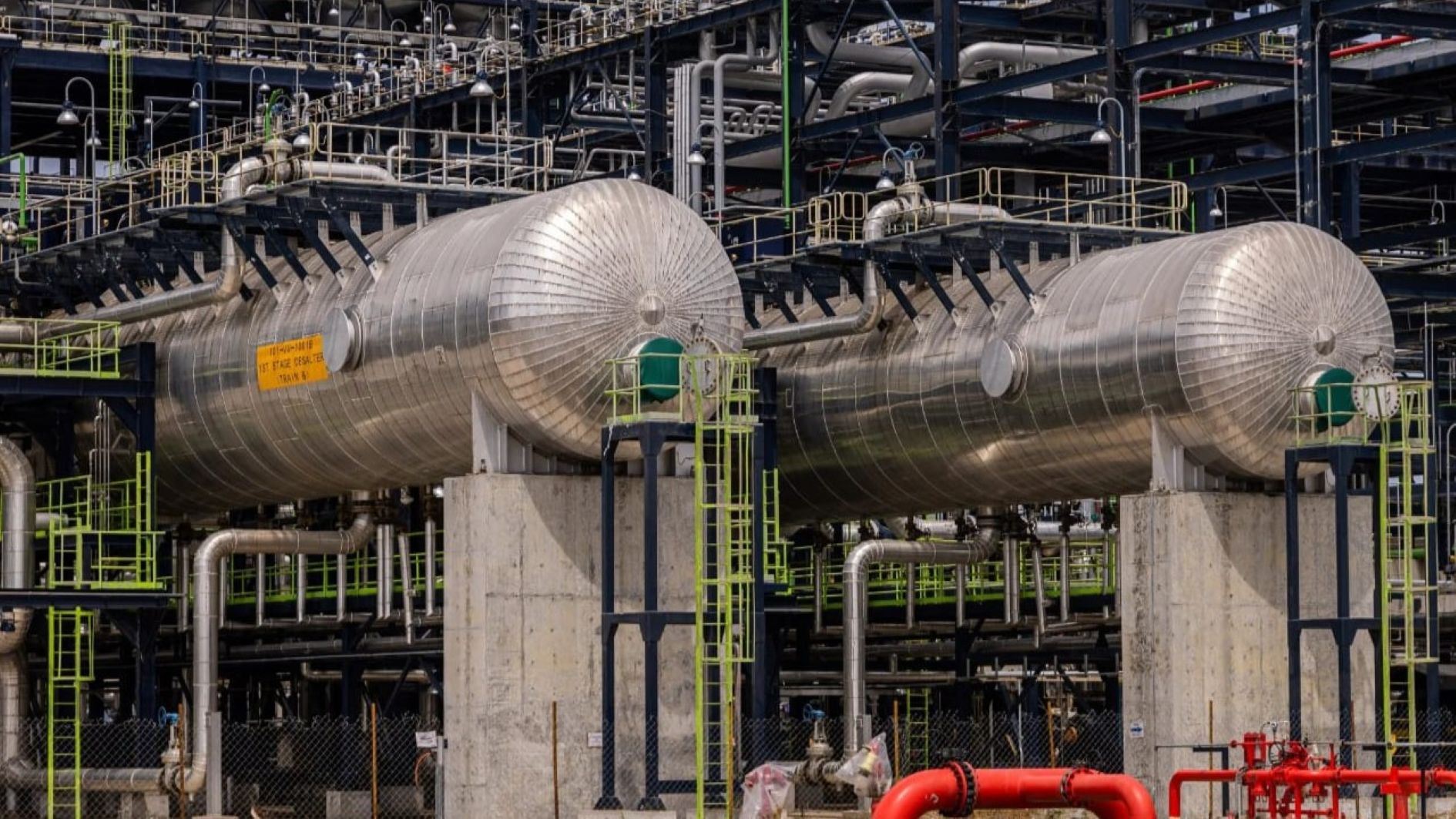
With government losing its spending power to falling revenue and an increase in expenditure line items, private capital mobilisation, as demonstrated by the success story of Dangote Group, holds the key to Africa’s economic future, ISAAC CHIBUIFE writes.
For decades, Nigeria’s economic development strategy has largely revolved around government spending, public infrastructure projects and fiscal policy.
Yet, with widening infrastructure deficits and constrained public finances, economists are increasingly arguing that the country’s industrial future will depend not only on government interventions but also on sustained private-sector investment in productive assets.
The debate has gained renewed attention as Nigeria grapples with the enormous financing required to expand power generation, transport networks, housing, manufacturing and agriculture—needs that far exceed what annual federal and state budgets can accommodate.
Against this backdrop, analysts say long-term private capital is becoming an increasingly important pillar of industrial development, complementing rather than replacing public investment.
Development economists often point to countries such as Japan, South Korea, India and the United States, where private enterprises worked alongside governments to build globally competitive manufacturing, technology and pharmaceutical industries. In many of these economies, sustained investment by large domestic companies helped expand production capacity, create jobs and boost exports over several decades.

Nigeria’s experience has similarly drawn attention to the role of large-scale industrial investors.
Among the most cited examples is the Dangote Group, whose investments over the past two decades span cement, sugar, salt, fertiliser, petroleum refining and petrochemicals. Rather than focusing primarily on importing and distributing finished products, the conglomerate has invested heavily in domestic production facilities and integrated supply chains.
Supporters argue that such investments have expanded local manufacturing capacity, reduced import dependence in some industries and created employment opportunities across logistics, raw-material sourcing, transportation and distribution networks.
Beyond the performance of any single company, economists generally agree that investments in factories, industrial plants, logistics infrastructure and supply chains tend to generate longer-term economic benefits than activities centred mainly on trade or short-term consumption. Such assets, they argue, continue to support production, employment and value creation beyond political cycles.
The industrial group’s listed companies have also become part of discussions on the development of Nigeria’s capital market.
Market analysts note that companies capable of executing large, capital-intensive projects while maintaining shareholder returns can strengthen investor confidence in domestic equities, potentially attracting greater participation from institutional and retail investors.
However, analysts also caution against over-reliance on a handful of dominant firms.
The Nigerian Exchange remains heavily concentrated, with a relatively small number of banking and industrial stocks accounting for a significant share of overall market capitalisation. This concentration, they warn, exposes the broader market to company-specific risks.
Similarly, competition concerns have periodically emerged in sectors such as cement, sugar and downstream petroleum, where operators and regulators have questioned market concentration and pricing power. These concerns highlight the need for regulatory oversight even as policymakers seek to encourage large-scale private investment.
Nigeria’s infrastructure financing requirement continues to dwarf available public resources.
Estimates by multilateral institutions, including the World Bank and the African Development Bank, indicate that the country requires investments running into tens of trillions of naira over the coming decade to bridge deficits in power, transport, housing and industrial infrastructure.
Given these funding needs, economists argue that government expenditure alone cannot drive industrialisation.
Instead, they say Nigeria will need to mobilise deeper pools of long-term domestic capital, including pension funds, insurance assets, private equity and strategic corporate investment, to finance projects with extended payback periods.
Such financing, they add, must be matched by companies with the financial capacity and operational expertise to execute large-scale projects successfully.
Industry observers maintain that the debate should not be framed as a choice between government and private capital. Rather, they argue that sustainable industrial development requires both.
Government, they say, must continue to provide a stable macroeconomic environment, sound regulation and enabling infrastructure, while private investors commit long-term capital to factories, industrial facilities and export-oriented production.
Whether Nigeria can replicate the scale of investment seen in companies such as the Dangote Group across other sectors remains uncertain. But analysts agree that expanding the pool of long-term private investment will be critical if the country is to accelerate industrialisation, diversify its economy and reduce its dependence on imports.
As fiscal pressures continue to constrain public spending, the balance between government policy and private enterprise may increasingly determine the pace and direction of Nigeria’s industrial transformation.

