 Follow Us on Google News
 Follow Us on Google Discover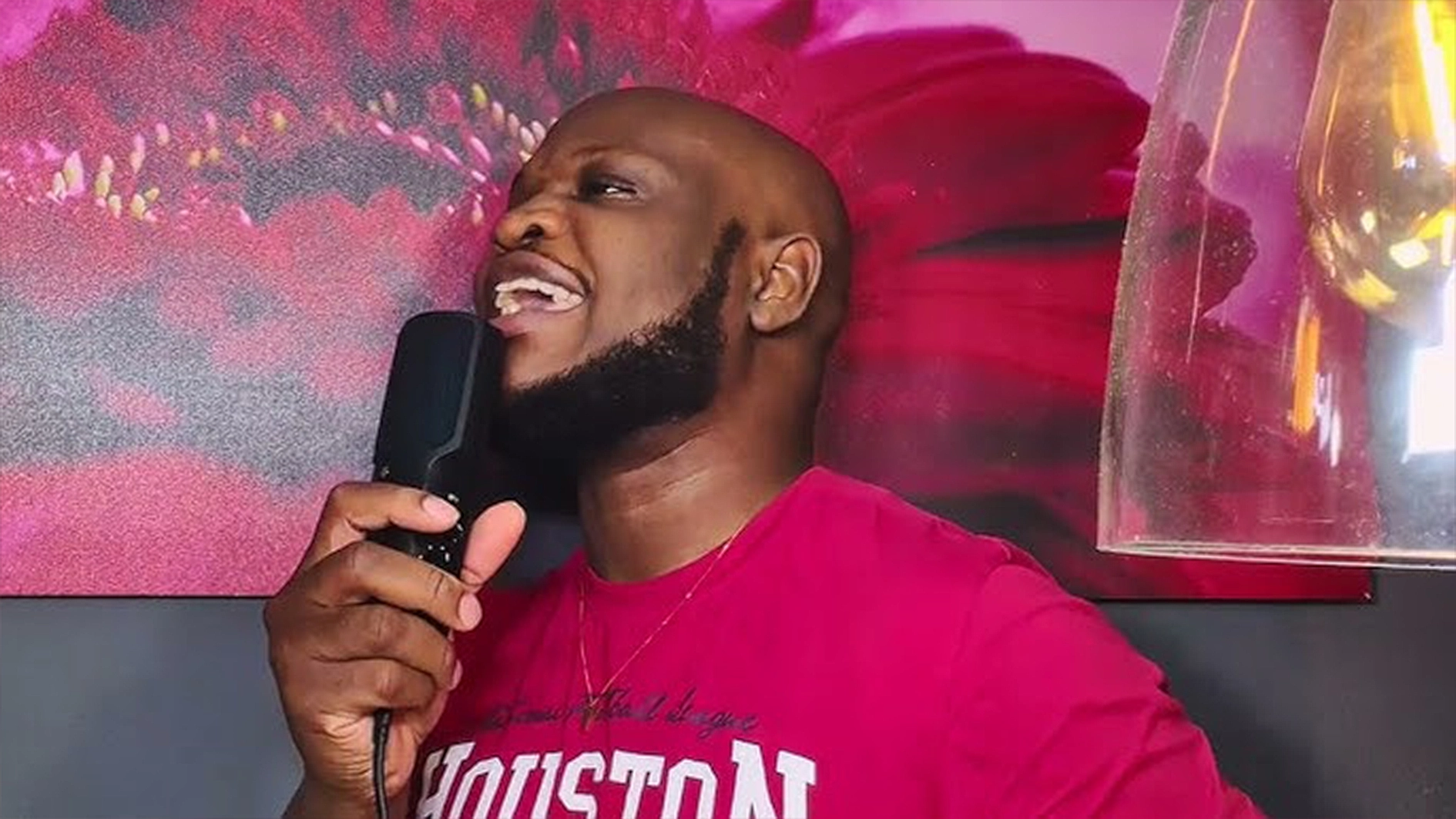
Some performances entertain. Others linger. They stay with an audience not because of elaborate production or dramatic spectacle, but because they offer something increasingly rare, a moment of sincerity. Debola Akran’s appearance at the inaugural Afro-English Culture Festival in Bradford belonged firmly to the latter category.
Organised by Reach Arts Network, the festival transformed the evening into a lively celebration of African and British cultural exchange. Music, dance, visual arts, fashion, spoken word and community engagement converged in an event that reflected the diversity and creative energy of Bradford’s cultural landscape.
Among the day’s featured performers were poet and arts producer, Daniel Okezue, dance artist and choreographer Joachim Keke, DJ Remmy, The Peace Artist and a host of musicians, visual artists and performers whose work reflected the richness of African creativity. Yet when Debola Akran stepped onto the outdoor stage, the atmosphere subtly shifted.
Known for music rooted in gratitude, faith and resilience, Akran approached the festival not simply as another performance opportunity but as a chance to establish a conversation with his audience.
Rather than relying on theatrical excess, he allowed the songs themselves to carry the emotional weight. Performing selections from his growing catalogue, including material that has established him as an emerging inspirational recording artist, Akran delivered each song with measured confidence, allowing melody and message to coexist naturally.
There was an unmistakable honesty in his stage presence.
His vocals remained warm and controlled throughout the performance, while his interaction with the audience reflected a performer more interested in connection than applause. Between songs, brief reflections invited listeners into the stories behind the music, creating an intimacy that contrasted beautifully with the openness of the outdoor venue.

Perhaps what distinguished the performance most was its emotional consistency. Akran’s music never sought to deny life’s struggles; instead, it acknowledged them while gently directing listeners toward hope.
Themes of gratitude, perseverance, faith and purpose surfaced repeatedly, not as slogans but as lived experiences translated into song.
It is this quality that increasingly defines his artistic identity.
Several days after the festival, I spoke with Debola Akran over the telephone to reflect on the performance and the journey behind his music.
“I’ve never wanted my music to be just entertainment,” he said. “For me, every song should leave someone feeling lighter than they were before they heard it. Even if it’s only one person who leaves with renewed hope, then I’ve achieved something worthwhile.”
That philosophy was evident throughout his performance.
While contemporary inspirational music often risks becoming overly predictable, Akran resists this by grounding his songwriting in personal experience rather than abstract declarations. His songs emerge from gratitude, but they also acknowledge struggle, uncertainty and growth.
When asked why hope remains such a central theme throughout his music, he paused briefly before responding.
“Hope is something people are searching for every day,” he explained. “People carry burdens that we never see. Music can remind them that those burdens don’t have to define them. That’s the responsibility I feel every time I write.”
The response offered valuable insight into the emotional architecture of his work.
Since releasing his debut single Faithful God in 2021, Akran has steadily developed a catalogue of songs that balances contemporary musical expression with reflective storytelling. More recent releases, including SHINE, continue this progression, revealing an artist interested less in commercial trends than in creating meaningful encounters through music.
That intention could also be seen in the way he navigated the festival audience.
Families, young people, older listeners and casual visitors moved freely through the venue, yet Akran seemed comfortable allowing each person to experience the music differently. There was no attempt to manufacture emotion or force participation. Instead, he trusted the songs to find their own listeners.
“I think authenticity travels further than performance,” he told me. “People know when you’re trying to impress them, and they also know when you’re simply sharing your heart. I choose the second every time.”
The observation perhaps explains why his performance felt less like a concert and more like a shared experience.
Events such as the Afro-English Culture Festival inevitably celebrate diversity through artistic presentation, but Akran’s contribution quietly suggested something more enduring. His performance became an invitation to pause, reflect and reconnect with values that often become obscured by the pace of everyday life.
Asked what he hoped audiences carried away from the evening, his answer reflected the same quiet conviction that characterised his performance.
“I hope people remember that no matter where they are in life, they can begin again,” he said. “Faith isn’t just about religion. It’s about believing that tomorrow can be better than today. If someone leaves believing that, then the music has done its work.”
That sentiment seems an appropriate lens through which to understand Debola Akran’s growing artistic practice.
He is not attempting to redefine inspirational music, nor is he chasing spectacle. Instead, he is carefully building a body of work centred on encouragement, gratitude and human dignity, qualities that often speak most powerfully when expressed with restraint.
The Afro-English Culture Festival provided an ideal setting for such an artist. Amid vibrant celebrations of culture, movement and creativity, Debola Akran reminded audiences that music can still function as both art and affirmation.
As Bradford continues to strengthen its reputation as a city of culture and creative exchange, artists such as Debola Akran demonstrate that meaningful performance is measured not only by the size of an audience, but by the depth of its impact.
His voice may be rooted in faith, but its message reaches far beyond it, offering listeners not simply songs to hear, but reasons to hope.

