 Follow Us on Google News
 Follow Us on Google Discover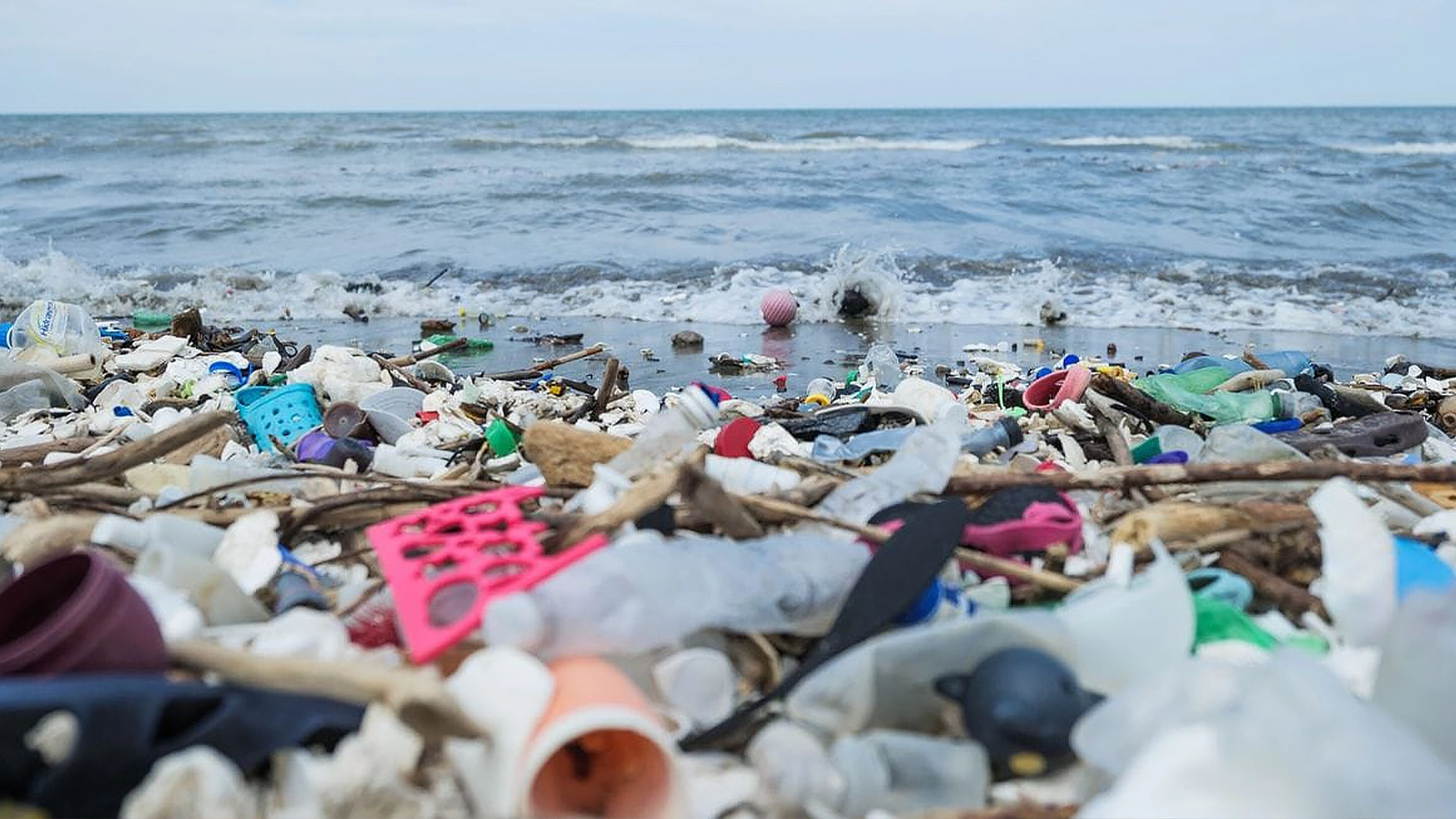
Rite Foods Limited has reinforced its commitment to environmental sustainability, recovering more than 858.2 tonnes of plastic waste from the environment and reducing its carbon emissions as part of efforts to minimise its environmental footprint and achieve net-zero emissions by 2060.
The indigenous food and beverage company unveiled the achievements in its 2025 Sustainability Report, presented in Lagos, highlighting significant progress in waste management, emissions reduction, water conservation and social investment.
According to the report, the company reduced its emissions intensity by about seven per cent in 2025 through improved energy efficiency and operational optimisation.
More than 93 per cent of its energy needs were met through natural gas, while investments in renewable energy, particularly solar power, continued to expand.
In partnership with the Food and Beverage Recycling Alliance (FBRA), Rite Foods recovered and removed 858.2 tonnes of plastic waste from the environment.
The company also improved its waste recovery rate to 97.44 per cent and reduced its solid waste ratio by 27 per cent, from 10.6 grams of waste per litre of beverage produced in 2024 to 7.71 grams in 2025.
The report further showed that the company’s water usage ratio improved to 1.90 litres of water per litre of beverage, while water consumption declined by 15 per cent between 2024 and 2025 through improved efficiency and recycling initiatives.
Speaking at the presentation, Rite Foods’ Head of Corporate Communications and Sustainability, Ekuma Eze, said sustainability remains central to the company’s operations and long-term business strategy.
“We have to minimise our impact on the environment, our communities and our people, while conducting our business ethically to ensure that every stakeholder benefits,” he said.
Eze disclosed that the company’s total emissions stood at 567.5 tonnes of carbon equivalent in 2024, adding that the figure declined by five per cent in 2025.
He also noted that carbon intensity, measured by emissions per litre of beverage produced, fell by 23 per cent year-on-year.
“Our commitment is that by 2060, we should achieve net-zero carbon as a company. That is why we continue to make deliberate efforts every year to reduce our emissions and carbon intensity,” he said.
He explained that lower water consumption not only benefits the environment but also reduces production costs, as water used in beverage manufacturing requires treatment and pumping before use.
“Aside from being environmentally responsible, efficient water management also helps us reduce operating costs because less water means lower treatment and pumping expenses,” he added.
On energy efficiency, Eze said the company combines technology, operational efficiency and behavioural changes to reduce energy consumption while expanding production capacity.
“The less diesel we consume and the more we rely on solar energy and natural gas, the greater our energy efficiency. Those are some of the measures we have implemented,” he said.
Beyond industrial operations, Rite Foods has intensified community-based environmental initiatives.
Through its ‘Rite on the Beach’ programme, the company recovered more than 42 tonnes of plastic waste from Lagos coastal communities in 2025 through monthly clean-up exercises.
It also launched the ‘Plastic July’ campaign, during which shoppers received collection packs to gather used plastics for recycling.
According to Eze, discarded product labels are now repurposed into school bags distributed to more than 2,000 pupils in underserved communities.
The sustainability report also highlighted the company’s broader social impact. Rite Foods sustained about 3,000 direct jobs, created more than 12,000 indirect jobs, and supported over 900,000 retailers across its nationwide distribution network.
In addition, the company invested N581.92 million in social intervention programmes in 2025, representing a 50 per cent increase over the previous year. Employee training hours rose by 76 per cent, while employment from host communities increased by 4.1 per cent. Overall workforce strength also grew by 6.1 per cent.
On corporate governance, Eze said the company’s board continues to provide oversight on governance, risk management and internal controls to ensure regulatory compliance and ethical business practices.
He added that although publication of a sustainability report is not yet mandatory, Rite Foods subjected its 2025 report to independent third-party assurance, underscoring its commitment to transparency, accountability and global best practices.

