 Follow Us on Google News
 Follow Us on Google Discover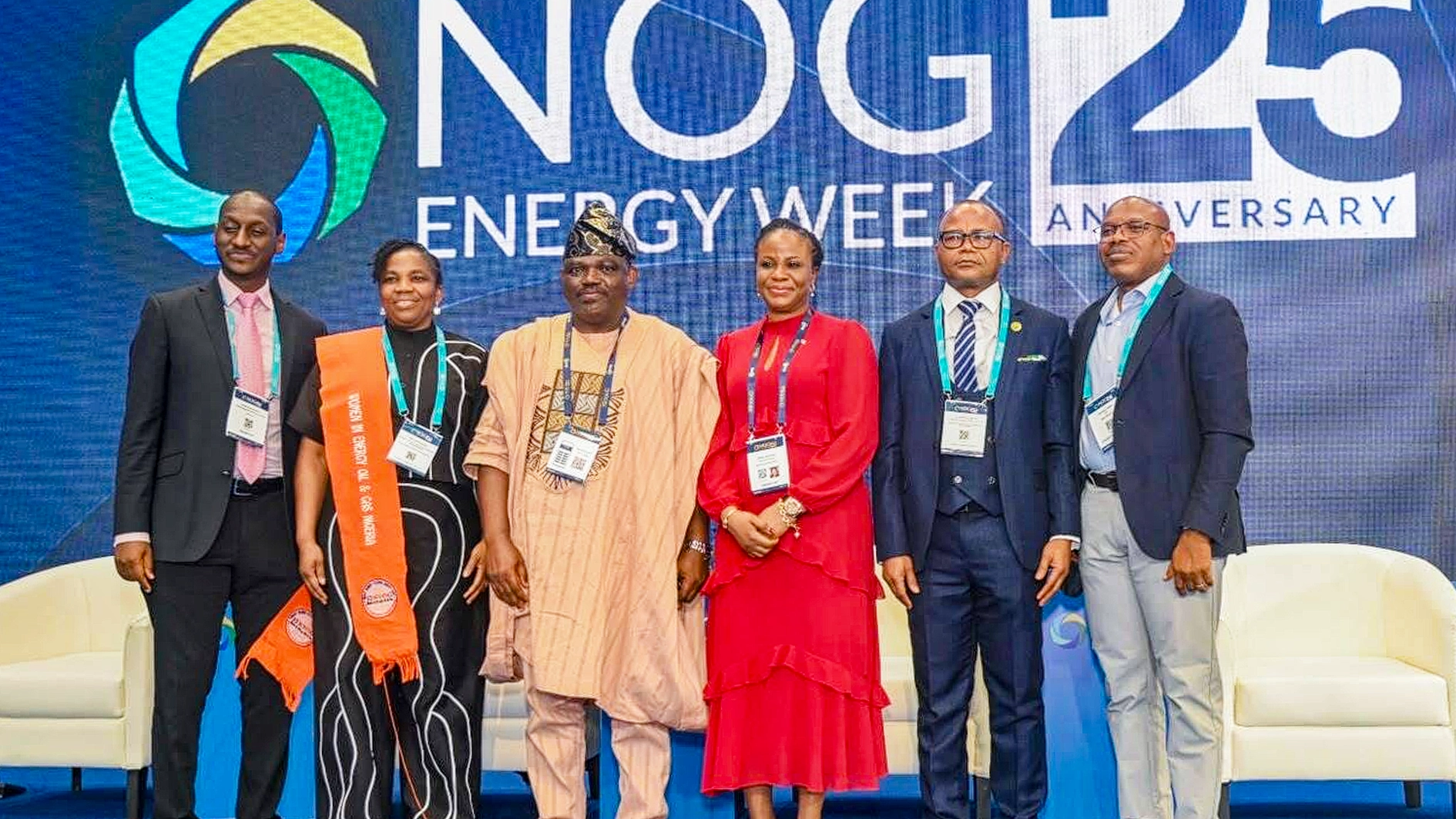
Industry stakeholders have stressed the need for stronger local manufacturing capacity, strategic partnerships and adherence to engineering standards as critical factors for accelerating Nigeria’s industrial transformation and economic growth.
The call was made at the Nigeria Oil & Gas (NOG) Energy Week 2026 and the 34th Council for the Regulation of Engineering in Nigeria (COREN) Assembly, where discussions focused on boosting domestic value creation, reducing import dependence and strengthening the country’s industrial base.
Speaking during a panel session on “Strengthening Domestic Value Creation – Import Substitution and Strategic Partnerships” at NOG Energy Week, President of the Cable Manufacturers Association of Nigeria (CAMAN), Mrs. Bukola Adubi, said Nigeria must move beyond policy declarations and take practical steps to enhance the competitiveness of indigenous manufacturers.
According to her, the country already has considerable manufacturing capacity, but achieving sustainable industrial growth will require consistent procurement policies, stronger collaboration among manufacturers, operators, engineering, procurement and construction contractors, as well as regulators.
She noted that improving product quality and maintaining international standards remain essential for the growth of local industries and the development of resilient supply chains.
Adubi also reiterated CAMAN’s commitment to advocating policies that promote fair competition, eliminate substandard products and create a more enabling environment for local manufacturers.
She said such measures would support job creation, strengthen domestic production and position Nigerian manufacturers to compete effectively in regional and international markets.
The conversation continued at the 34th COREN Assembly, where participants highlighted engineering professionalism and ethical practice as fundamental requirements for sustainable infrastructure development and industrial expansion.
Reflecting on the discussions at the assembly, Adubi said engineering competence and quality assurance remain critical to translating national development goals into tangible outcomes.
“Engineering remains the bridge between national ambition and national achievement. When competence, ethics and quality become non-negotiable, industrial growth naturally follows,” she said.
Stakeholders at both events agreed that Nigeria’s long-term economic future will depend not only on its natural resources but also on the strength of its engineering profession, the competitiveness of its industries and effective collaboration between policymakers and the private sector.
They maintained that strengthening indigenous manufacturing and investing in technical excellence would be key to building a resilient economy capable of meeting future industrial and energy demands.

