 Follow Us on Google News
 Follow Us on Google Discover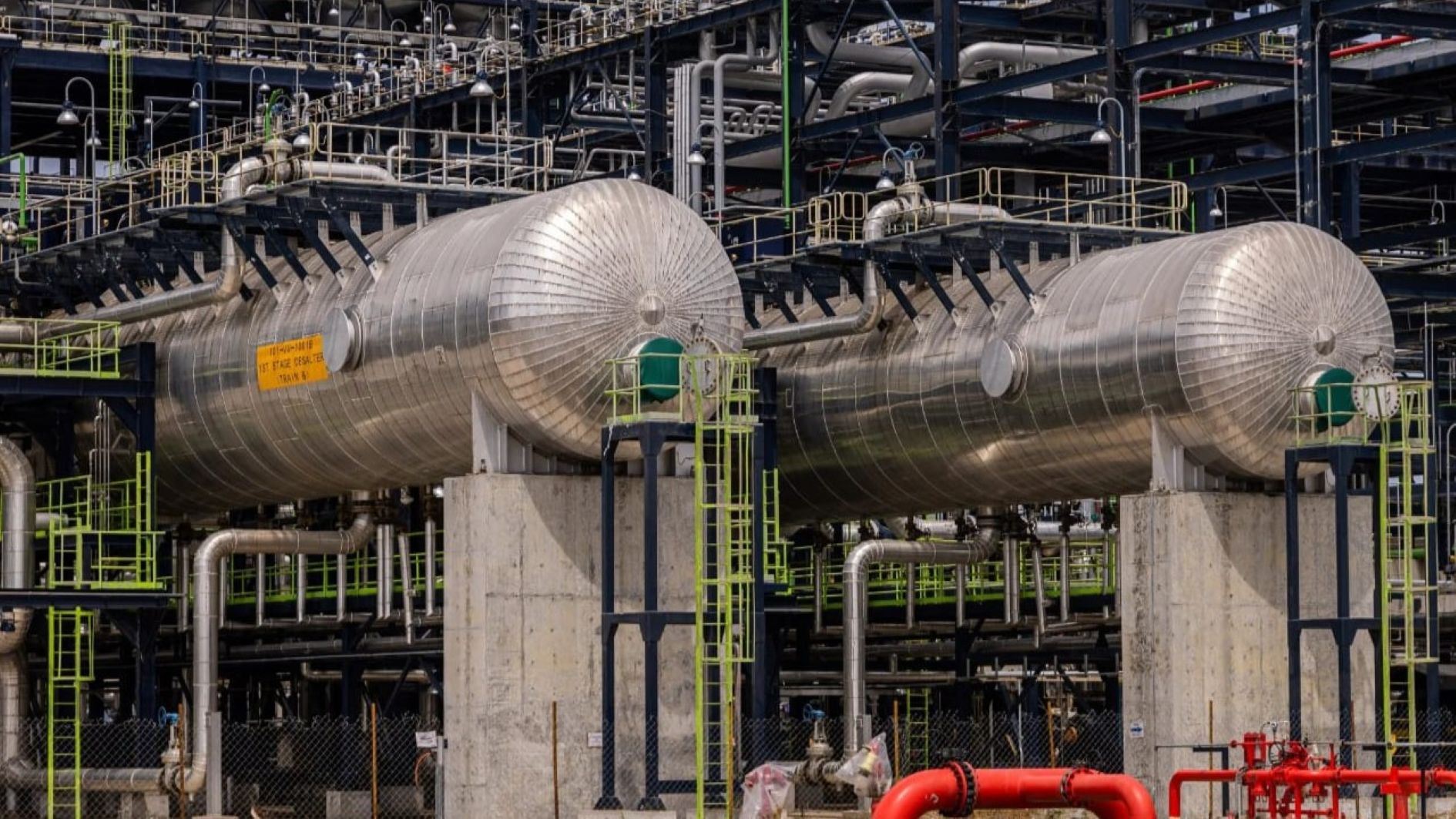
The Society of Petroleum Engineers (SPE) Nigeria Council has said the country must accelerate investment in technology, infrastructure and production capacity to achieve its target of producing three million barrels per day (bpd) by 2030.
The professional body warned that achieving the target requires more than the recovery of shut-in production, stressing the need for new field developments, subsea tiebacks, improved operational efficiency and stronger access to capital.
Chairman of SPE Nigeria Council, Francis Nwaochei, disclosed this yesterday in Lagos during a pre-event press briefing ahead of the 49th Nigeria Annual International Conference and Exhibition (NAICE 2026) scheduled for August 3 to 5 at the Eko Hotel & Suites.
With the theme “Thriving in the Evolving Global Energy Landscape: Collaborative Growth and Resilience,” Nwaochei said the conference would focus on converting Nigeria’s energy ambitions into practical technical solutions amid changing global investment patterns, geopolitical shifts and energy transition pressures.
He said Nigeria’s energy future depends on collaboration among regulators, operators, service companies, technology providers and financial institutions to reduce operating costs, unlock investment and strengthen energy security.
According to him, the conclusion of the 2025 oil licensing round by the Nigerian Upstream Petroleum Regulatory Commission (NUPRC), which resulted in the award of 37 oil and gas blocks to 31 preferred bidders, presents an opportunity for increased exploration and production activity.

SPE Nigeria Council commended the Federal Government and NUPRC for conducting what it described as an automated and market-driven licensing process under the Petroleum Industry Act (PIA).
Nwaochei, however, stressed that awarding oil blocks was only the beginning, noting that converting exploration licences into actual production would require technology deployment, reservoir management expertise and disciplined capital investment.
“Awarding blocks is only the catalyst; converting exploration licences into daily producing volumes requires rapid technology deployment, reservoir precision, and disciplined capital mobilisation,” he said.
The SPE chairman also highlighted the changing ownership structure of Nigeria’s upstream sector, noting that indigenous operators are increasingly taking control of assets divested by International Oil Companies (IOCs).
He said indigenous companies now account for about 60 per cent of national oil production, placing greater responsibility on local operators to demonstrate technical competence, financial strength and the ability to manage operational and environmental obligations.
“Indigenous companies must demonstrate both operational excellence and financial bankability as they assume asset stewardship, manage decommissioning liabilities, and drive field optimisation,” he said.
On the downstream sector, Nwaochei said the emergence of large-scale private refineries and modular facilities was positioning Nigeria as a potential regional refining hub.
He, however, stressed the need for balance between domestic crude supply obligations under the PIA and maintaining commercially sustainable relationships with upstream producers.

