 Follow Us on Google News
 Follow Us on Google Discover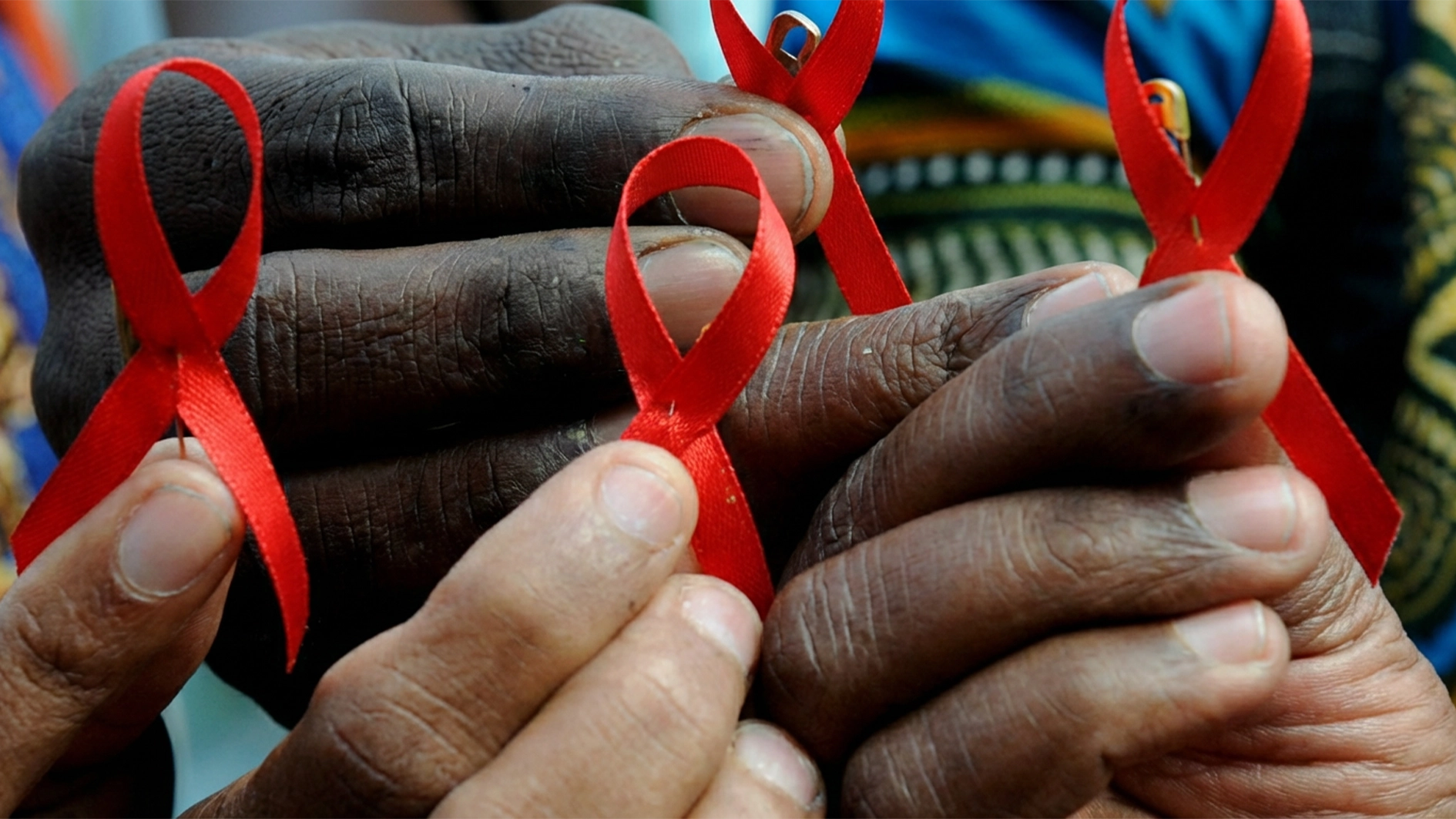
A new report by the World Health Organisation (WHO) has revealed that about nine million people still lack access to life-saving Human Immunodeficiency Virus (HIV) treatment, while new infections continue to rise in several regions.
The report notes prevalence among key populations, including men who have sex with men, sex workers, people who inject drugs, transgender people and people in prisons.
It also showed that by the end of 2025, an estimated 32 million people living with HIV were receiving treatment, and since 2010, new HIV infections have fallen by 42 per cent and Acquired Immunodeficiency Syndrome (AIDS)-related deaths by 57 per cent.
The new report, which assessed progress in implementing the Global Health Sector Strategies (GHSS) on HIV, viral hepatitis and sexually transmitted infections (STIs) for 2022–2030, highlighted significant achievements and persistent challenges in the global response to these epidemics.
It also noted progress in the response to viral hepatitis, stressing that since 2015, yearly Hepatitis B infections have decreased by 32 per cent while hepatitis C-related deaths have fallen by 12 per cent globally.
Despite these gains, however, viral hepatitis remains one of the world’s deadliest infectious diseases, claiming an estimated 1.3 million lives in 2024, with mortality continuing to rise, according to the report.

Meanwhile, it further revealed that progress in the global response to STIs had been mixed, pointing out that STI rates are rising in several countries and communities, while there was a growing resistance to antibiotics used to treat gonorrhoea.
It noted that countries have strengthened national policies and improved syphilis screening and treatment in pregnancy, while HPV vaccination coverage has increased modestly. At the same time. Such progress notwithstanding, it said major gaps continue to hinder efforts to eliminate HIV, viral hepatitis and STIs by 2030.
Highlighting the challenges, the report noted that reductions in international donor funding for HIV in 2025 disrupted prevention programmes in several countries, including access to pre-exposure prophylaxis (PrEP).
It was observed that, though some governments had stepped in to sustain services, preliminary data indicate that PrEP use has declined in several countries and communities.
For viral hepatitis, deaths linked to hepatitis B have increased by 17 per cent since 2015, while diagnosis and treatment coverage remain low, particularly for hepatitis B, despite the availability of highly effective medicines that could prevent millions of deaths.
Consequently, the report highlighted the urgent need to remove the financial, social and systemic barriers that continue to limit access to hepatitis prevention, testing, treatment and care for millions of people.
According to its findings, the global STI response remains off track due to rising STI incidence, increasing antimicrobial resistance, and insufficient coverage of HPV vaccination and cervical cancer screening. Also, persistent gaps in surveillance, diagnostics, funding and health information systems have further constrained countries’ ability to monitor the epidemic and scale up effective prevention, testing and treatment services.
MEANWHILE, civil society organisations have warned that urgent action is needed to sustain essential health services and protect progress toward universal health coverage.
The World Health Organisation’s (WHO) Civil Society Commission, in partnership with Save the Children, convened the global dialogues on health financing, bringing together a diverse group of stakeholders from across the regions to help shape priorities ahead of the 79th World Health Assembly (WHA79).
A central theme of the dialogue was the need to reposition health within economic decision-making.
Opening the discussion, the Director, Ministry of Social Affairs and Health, Finland, Taru Koivisto, underscored the stakes: “Health is an investment and strong public health systems are resilience investments that keep societies functioning in times of crisis.”
For Anna Vassall, the WHO Unit Head, Health Financing and Economics, “Health should be seen as a core investment that drives inclusive economic development, resilience and poverty reduction.”
Participants broadly supported this direction, emphasising that health systems are foundational to both social and economic resilience. They also stressed that integrating health into economic policy requires stronger cross-sector collaboration, particularly between the ministries of health and finance.
The current financing environment is exposing underlying vulnerabilities in health systems, particularly where financing has relied heavily on external support.
Participants emphasised that this moment presents an opportunity to strengthen sustainable, domestically anchored financing, with greater focus on long-term priorities such as prevention and primary health care.

