 Follow Us on Google News
 Follow Us on Google Discover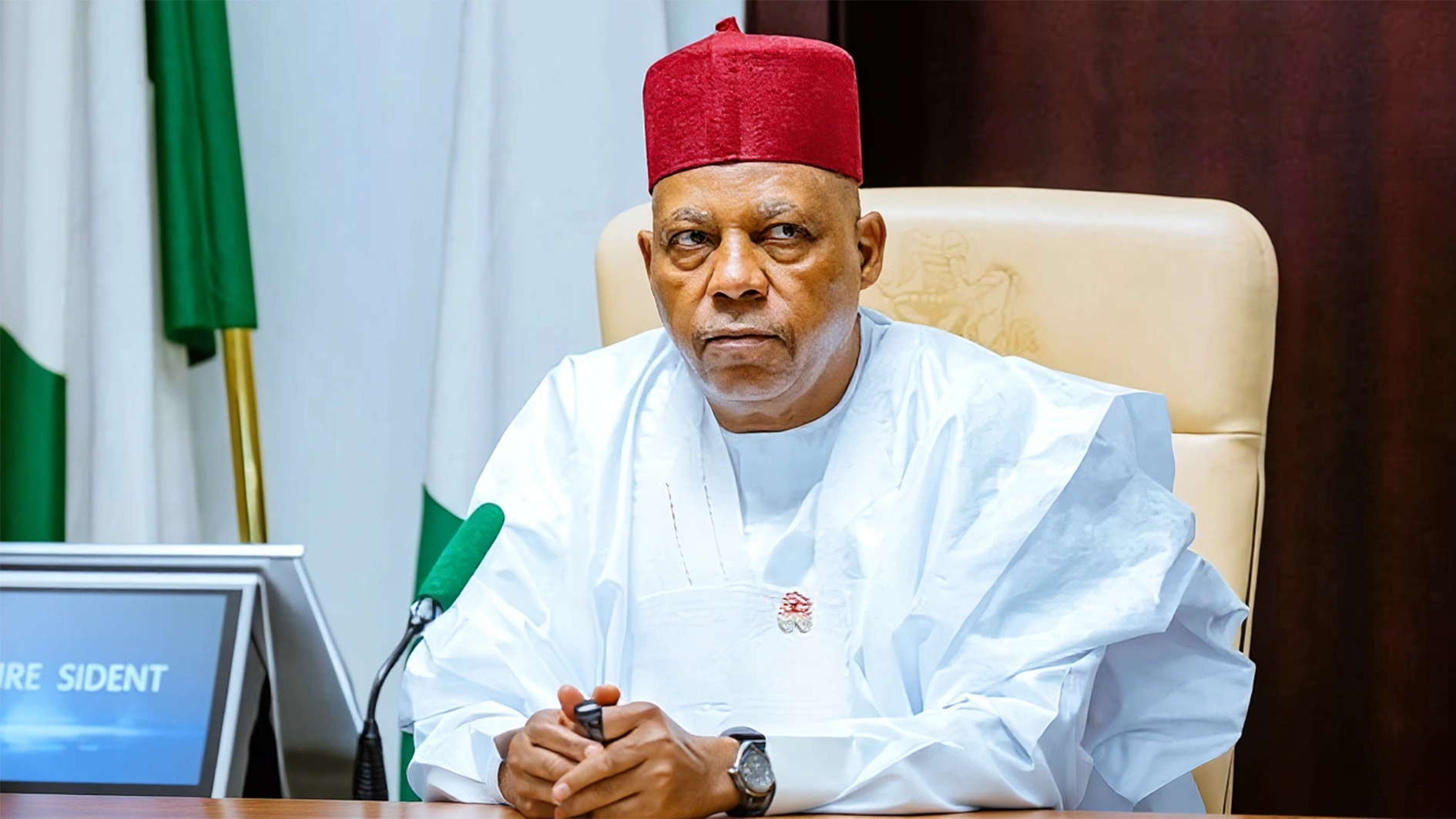
By Baba Dantiye
As Nigeria gradually looks beyond the current political cycle, Vice President Kashim Shettima’s extensive public service experience, leadership trajectory and growing national profile make him one of the notable figures in discussions about Nigeria’s political future.
Now that party primaries have been concluded and the window for the submission of candidates’ nominations to the Independent National Electoral Commission (INEC) has closed, the political landscape has entered a new phase. While the focus remains on the 2027 general election, discerning observers are already looking ahead to 2031, when the contest for national leadership will assume a new dimension.
In every democracy, conversations about the future of leadership often begin long before the formal processes of elections. Leadership transitions are not merely about electoral contests; they are also about experience, preparation, public service records and the emergence of individuals whose careers have been shaped by years of responsibility and engagement with the complexities of governance.
Nigeria’s political history reflects this reality. Many leaders who eventually occupied the highest offices in the land had first passed through different levels of public responsibility where they acquired administrative experience, developed national networks and demonstrated their capacity to manage the challenges of leadership. It is within this broader context that the political journey of Vice President Kashim Shettima deserves attention.
His career represents one of the more extensive public service trajectories among contemporary Nigerian political figures. From serving as Commissioner in Borno State, to becoming Governor of the State for two terms, moving to the Senate and subsequently becoming Vice President of the Federal Republic of Nigeria, Shettima has experienced governance from several important perspectives. Few politicians of his generation have combined executive, legislative and national responsibilities in such a manner.
His early years as commissioner exposed him to the practical demands of government administration. Such positions require more than political understanding; they demand the ability to translate policies into programmes, manage institutions and respond to the expectations of citizens.
His transition from commissioner to governor marked a major step in his political development. Leading Borno State placed him at the centre of some of Nigeria’s most difficult governance challenges. The period of his governorship coincided with severe security challenges that tested the resilience of the state and required difficult decisions on security, humanitarian support, reconstruction and public service delivery.
Governance under such circumstances requires not only administrative competence, but also the ability to maintain hope and confidence among citizens facing extraordinary difficulties. The experience inevitably shaped his understanding of crisis management and the responsibilities of leadership.
Beyond managing immediate challenges, his administration also had to confront the broader task of rebuilding confidence in government institutions and sustaining development despite difficult circumstances. The experience demonstrated the reality that leadership is often tested most during periods of uncertainty, when decisions must be taken under pressure and resources must be carefully prioritised.
His years as governor also exposed him to the complexities of balancing security, economic development, education, healthcare and infrastructure. For any state leader, particularly one governing in a challenging environment, success requires coordination among different institutions and the ability to work with diverse stakeholders.
The experience of governing Borno State placed him in a unique position. The state, with its strategic importance in the North-East and its exposure to complex security and humanitarian challenges, demanded a style of leadership that combined political judgment, administrative discipline and constant engagement with citizens.
During his tenure, issues of reconstruction, rehabilitation and restoring confidence among affected communities became central elements of governance. These experiences provided him with firsthand knowledge of the connection between security, development and human welfare. Beyond the immediate responsibilities of office, the governorship also expanded his understanding of the importance of cooperation between state governments, the Federal Government, security institutions, traditional authorities, development partners and communities. Such exposure became part of the foundation of his later national political responsibilities.
Beyond state administration, his subsequent election to the Senate provided another important dimension to his political experience. The Senate offered him the opportunity to participate in national lawmaking, engage with leaders from different parts of the country and contribute to debates on issues affecting the federation as a whole.
The combination of executive and legislative experience has become an important asset in modern governance. While governors are often judged by their ability to deliver services within their states, senators participate in shaping the national legal and policy framework. Having served in both capacities gives Shettima a broader perspective on the relationship between national policies and local realities.
His transition from state governance to the Senate also exposed him to a different dimension of public responsibility. Legislative experience requires negotiation, consensus building and an understanding of the diverse interests that make up a federal system. It provides an opportunity to appreciate the complexities of national policymaking and the importance of balancing regional concerns with wider national objectives.
His current position as Vice President has further expanded that experience. The Office of the Vice President is one of significant constitutional responsibility, requiring close collaboration with the President, representation of the country at important engagements and participation in national policy discussions.
Since assuming office alongside President Bola Ahmed Tinubu in 2023, Shettima has played visible roles in domestic and international engagements. His representation of Nigeria at global meetings, investment forums and diplomatic events has brought additional attention to his communication skills and understanding of national priorities.
At a time when countries compete for investment, partnerships and international confidence, the ability of leaders to articulate national interests before global audiences has become increasingly important. Nigeria’s representatives must be able to communicate the country’s opportunities while also acknowledging and addressing its challenges.
The Vice President’s responsibilities have also placed him at the centre of discussions on economic transformation, investment promotion and national development. These responsibilities require a combination of political judgment, policy understanding and the ability to coordinate with different sectors of society.
The role of a Vice President in any administration goes beyond ceremonial duties. It involves supporting the President’s agenda, undertaking specific assignments and contributing to the development and implementation of policies that affect the lives of citizens.
Another aspect of Shettima’s political journey that has attracted attention is his working relationship with President Tinubu.
Nigeria’s democratic experience has shown that the relationship between a president and vice president can significantly influence the effectiveness of an administration. Where cooperation exists, governance can benefit from coordinated leadership. Where conflict develops, it can become a distraction from national priorities.
The relationship between President Tinubu and Vice President Shettima has, so far, been characterised by public cooperation and a clear division of responsibilities. The decision by President Tinubu to select Shettima as his running mate in 2022 reflected confidence in his experience, political background and ability to contribute to the administration’s agenda.
President Tinubu’s decision also reflects another aspect of his political legacy that has received considerable attention over the years—his demonstrated ability to identify, nurture and mentor leaders for positions of greater responsibility. Throughout his political career, Tinubu has been associated with recognising talent, assigning demanding responsibilities and creating opportunities for capable individuals to grow in public service. His choice of Kashim Shettima as Vice President can therefore be viewed not only as a political calculation, but also as an expression of confidence in a leader whom he considered prepared for national responsibility. As Shettima continues to discharge the responsibilities of his office, many observers see his stewardship as part of a broader tradition of leadership development and succession that has become a notable feature of President Tinubu’s political career.
Beyond political office, leadership in Nigeria requires the ability to engage with a diverse population. The country’s complexity demands leaders who can build bridges across regions, communities and different interests.
Throughout his public career, Shettima has maintained relationships across various segments of society. His engagements have extended beyond his immediate political base in the North-East, giving him a broader national profile. His ability to communicate with different groups and participate in national conversations has contributed to his visibility as a major figure in contemporary Nigerian politics.
His political journey has also demonstrated the importance of regional and national balance in Nigeria’s leadership structure. In a country as diverse as Nigeria, successful leaders must understand not only the concerns of their immediate constituencies, but also the aspirations and challenges of citizens across different parts of the federation.
Naturally, every public official is subject to different interpretations and assessments. Supporters highlight his experience, policy knowledge and administrative background, while critics and political opponents may offer alternative perspectives. Such debate is a normal feature of democracy and contributes to public accountability.
The conversation about Nigeria’s political future towards 2031 will inevitably involve many factors. The state of the economy, security concerns, public expectations, political alliances, party dynamics and the choices of Nigerian voters will all play important roles.
No democratic outcome is predetermined. Ultimately, leadership emerges through constitutional processes and the judgment of citizens. However, examining the records and experiences of public figures before political seasons fully develop is part of responsible democratic discourse.
In this regard, Shettima’s career provides an interesting example of a leader whose public service journey has passed through multiple levels of responsibility. His experience as commissioner, governor, senator and vice president places him among Nigeria’s most experienced contemporary political figures.
History shows that leadership is often shaped by preparation, exposure and the lessons acquired through service. The responsibilities carried at different stages of a political career contribute to the depth and perspective that leaders bring to national affairs.
As Nigeria continues its democratic journey, the country will continue to assess those who seek or are considered for positions of responsibility based on their records, competence, character and ability to address national challenges.
The road towards 2031 will certainly generate debates, expectations and competing visions about Nigeria’s future. Such conversations are an essential part of democracy because they encourage citizens to reflect on the qualities required of those who may eventually carry national responsibilities. The discussion about future leadership should therefore not be reduced merely to political ambition. It should also focus on the values, experience, capacity and vision required to guide a complex nation like Nigeria.
Nigeria’s challenges are substantial. The country requires leaders who understand the realities of governance, appreciate its diversity and possess the ability to unite different interests around common national objectives. Experience gained through years of public service can provide valuable lessons in addressing such challenges.
Whatever direction the future takes, Kashim Shettima’s extensive experience ensures that he will remain an important figure in discussions about Nigeria’s evolving political landscape. His journey from state-level administration to the highest levels of national governance provides a significant case study in political development and public service.
The road to 2031 remains open, and as with every democratic process, the ultimate decision will belong to Nigerians through the constitutional framework of elections. However, the examination of leadership records, experiences and trajectories remains an important part of preparing for the choices that lie ahead, and it is within this broader national conversation that the public service journey and leadership profile of Kashim Shettima will continue to attract attention.
*Dantiye is a former Commissioner for Information and Internal Affairs, Kano State, and former President of the Nigerian Guild of Editors (2003–2008).

