 Follow Us on Google News
 Follow Us on Google Discover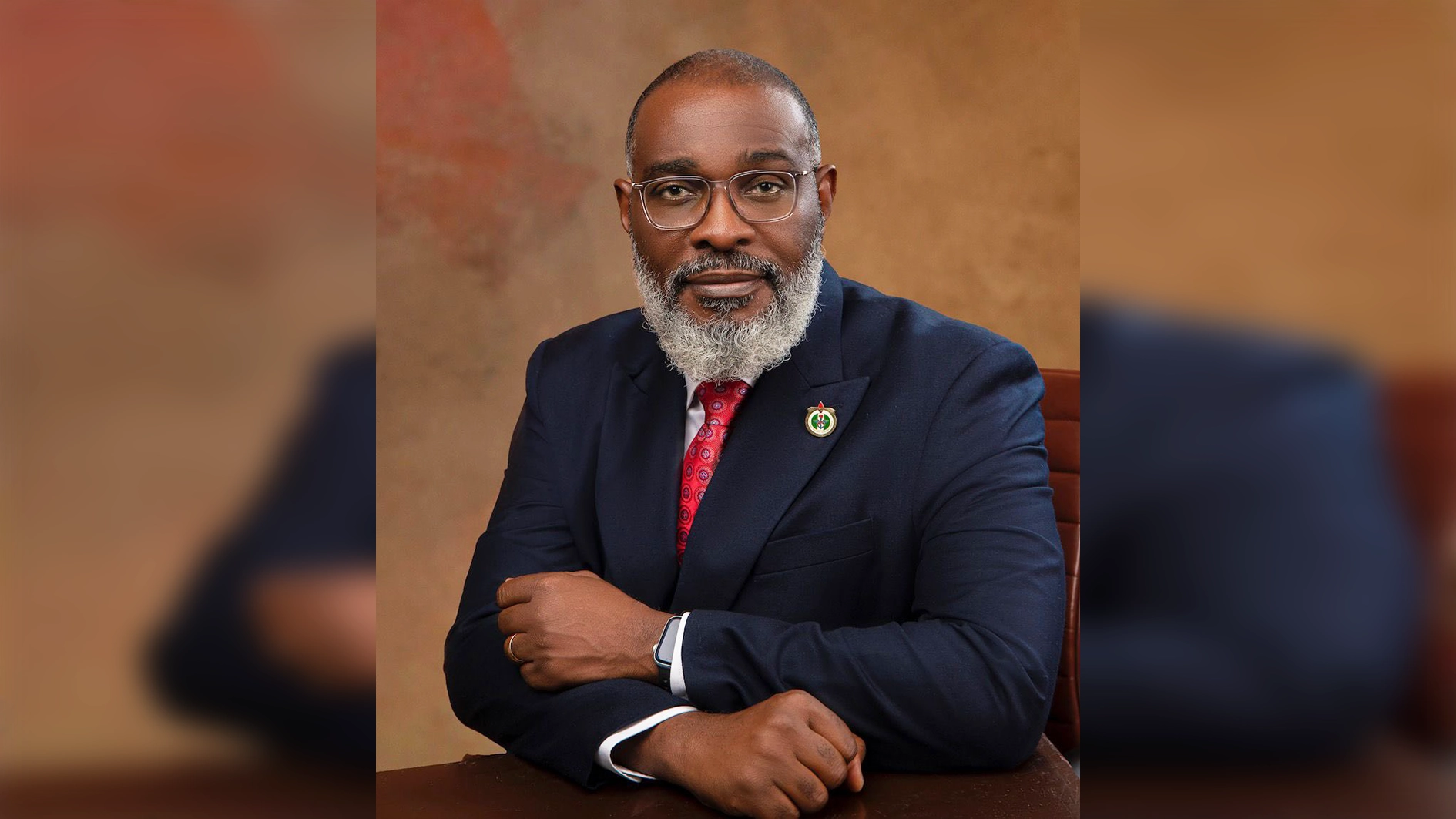
…Presidential aide outlines four-pronged strategy on surveillance, border security, identity management and early warning systems
The Special Adviser to the President on Homeland Security, Major General Adeyinka Famadewa (retd), has convened the maiden Homeland Security Stakeholders’ Meeting, rallying key government institutions behind a coordinated strategy to strengthen Nigeria’s homeland security architecture.
The meeting, held at the Office of the Secretary to the Government of the Federation (OSGF) in Abuja, brought together heads and representatives of critical Ministries, Departments and Agencies (MDAs), alongside security stakeholders, to deepen inter-agency collaboration in tackling the country’s evolving security challenges.
Opening the meeting, Famadewa reaffirmed President Bola Tinubu’s commitment to building a secure, resilient and technology-driven homeland security ecosystem capable of addressing both existing and emerging threats.
He said the administration’s vision could only be achieved through sustained collaboration, intelligence sharing and coordinated action among relevant institutions.
The meeting also served to acquaint stakeholders with the mandate of the Office of the Special Adviser on Homeland Security and its immediate strategic priorities.
Deliberations centred on four key areas considered critical to strengthening national security.
These include the implementation of a Unified Surveillance Programme to improve nationwide situational awareness; enhanced identity management to curb anonymity exploited by criminal elements; stronger border security through improved coordination, technology deployment and intelligence-led operations; and the establishment of a more effective early warning, crisis reporting and emergency response framework.
Famadewa stressed that the mandate of his office is to complement, not duplicate or replace, the work of existing security institutions.
He commended the Armed Forces and other security agencies for their sacrifices in safeguarding the country, while emphasising the need to complement kinetic operations with non-kinetic measures aimed at building societal resilience.
Participants exchanged perspectives based on their institutional responsibilities and reaffirmed their commitment to greater synergy in implementing the identified priorities.
They agreed that Nigeria’s increasingly complex security environment requires a whole-of-government and whole-of-society approach anchored on collaboration, intelligence sharing, technological innovation and stronger institutional coordination.
The meeting resolved to establish effective coordination mechanisms, institutionalise regular stakeholder engagements and develop actionable implementation frameworks to translate the agreed priorities into measurable outcomes in support of national security and public safety.
Among those in attendance were the Permanent Secretary, Special Services Office; the Comptroller-General of Customs; the Controller-General of the Nigerian Correctional Service; the Chief Executive Officer of the Nigerian Financial Intelligence Unit (NFIU); the Corps Marshal of the Federal Road Safety Corps (FRSC); and the Director-General of the Office for Strategic Preparedness and Resilience (OSPRE).
Representatives of the Armed Forces, security and intelligence agencies, relevant ministries, regulatory bodies and other stakeholders also participated in the meeting.

