 Follow Us on Google News
 Follow Us on Google Discover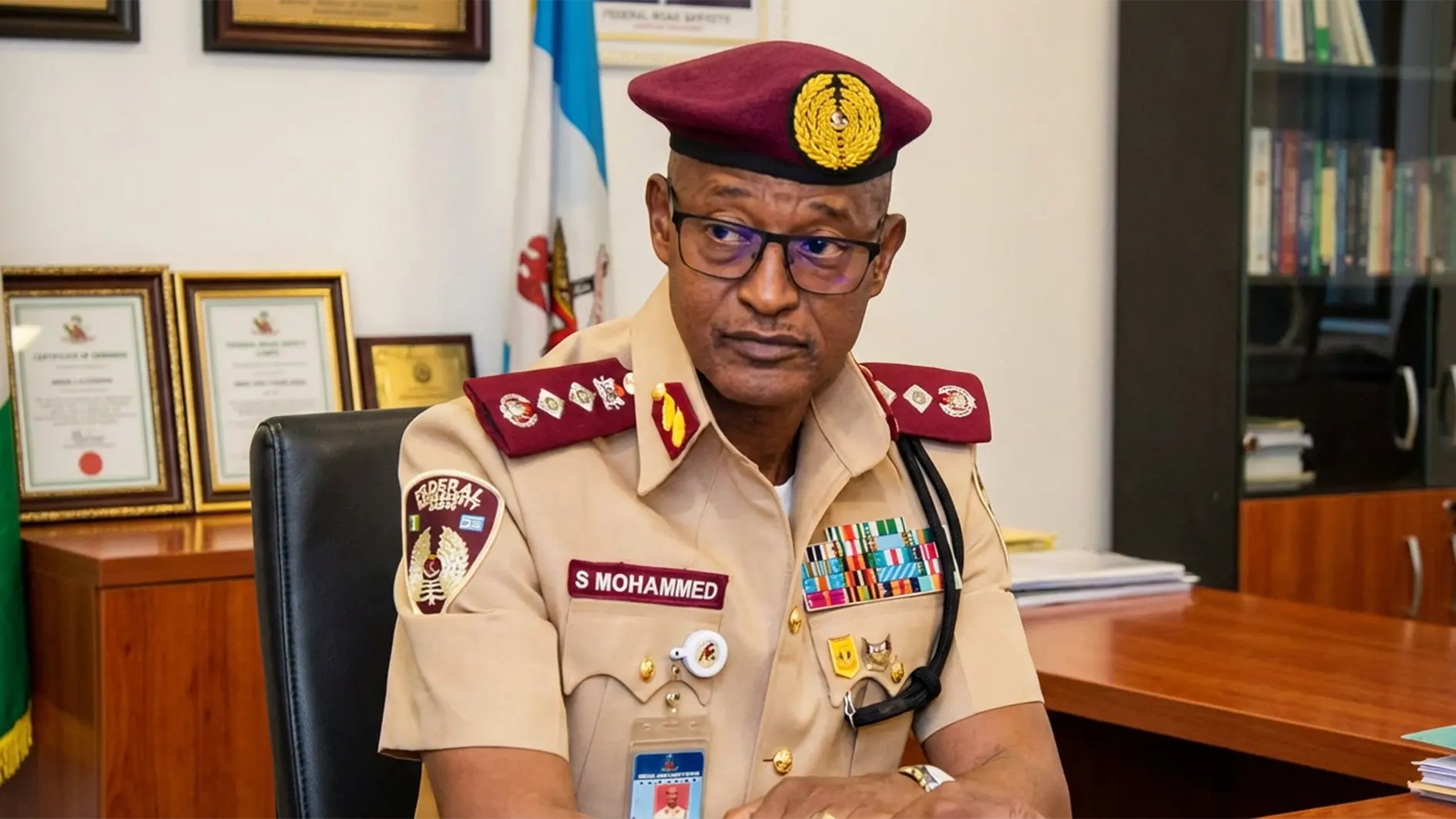
The Corps Marshal of the Federal Road Safety Corps (FRSC), Shehu Mohammed, has said that the Federal government’s Compressed Natural Gas (CNG) and Electric Vehicle (EV) initiatives are boosting investments into Nigeria, while also creating employment opportunities for thousands of youths.
Mohammed, who commended President Bola Tinubu for championing the initiative, said the programme had positioned Nigeria to benefit from the global transition to cleaner and sustainable transportation.
Speaking in in Lagos at an event organised by the Nigeria Auto Industry Summit (NAISU), organised in conjunction with the National Automotive Design and Development Council (NADDC), Mohammed noted that the initiatives aligned with Goal 13 of the United Nations Sustainable Development Goals (SDGs) on climate action by promoting green energy and cleaner transport systems.
According to him, the policy had attracted investors into the country’s automotive sector, leading to the establishment of assembly plants for electric and CNG-powered vehicles as well as companies producing CNG cylinders, conversion kits and related technologies.
The corps marshal expressed optimism that ongoing road infrastructure projects, including the Lagos-Calabar Coastal Highway and the Sokoto-Badagry Super Highway, would complement the clean transport initiative and help Nigeria achieve the United Nations’ Goal 11.2 of providing safe, affordable, accessible and sustainable transport systems by 2030.
He said: “Really, it’s a massive investment that is coming into Nigeria and also producing massive jobs for the massive unemployment that we have, reducing it drastically. And I also want to appreciate Mr. President and his entire government machineries for also giving road safety all the support to be a part of this project and process.
“I believe that with this initiative and with the Calabar-Lagos Coastal Road, the Sokoto Coastal Road and many massive renovations on the entire midland roads, we are going to achieve what the United Nations really requires on Goal 11.2, which is to provide a safe, accessible, affordable, reliable and sustainable, efficient transport system for all Nigerians by the year 2030.”
Mohammed urged Nigerians to support the administration’s efforts to modernise the country’s transport sector.
He declared that reducing crashes and fatalities should not be the sole responsibility of the FRSC, insisting that governments at all levels, traditional institutions, community leaders, motorists and passengers all had major roles to play.
He informed that the corps had expanded its public enlightenment campaigns beyond motor parks to grassroots communities through town hall engagements aimed at promoting safer road use.
Besides, he expressed concern over persistent cases of mixed loading of passengers, goods and livestock, particularly in some parts of northern Nigeria, attributing the practice partly to low literacy levels and inadequate public awareness.
He charged state and local governments to intensify road safety education, while urging community leaders to support efforts aimed at changing unsafe road transport practices.
He further appealed to journalists to sustain public awareness campaigns and factual reporting to support the country’s target of reducing road traffic crashes, fatalities and injuries by 50 per cent by 2030.
Mohammed regretted that the FRSC continued to incur huge medical expenses treating personnel knocked down by reckless motorists while on official duty, with several officers also losing their lives in such incidents.
He assured that his administration would continue to build on the principles of technology-driven operations, professionalism, staff development, partnership and collaboration with stakeholders.

