 Follow Us on Google News
 Follow Us on Google Discover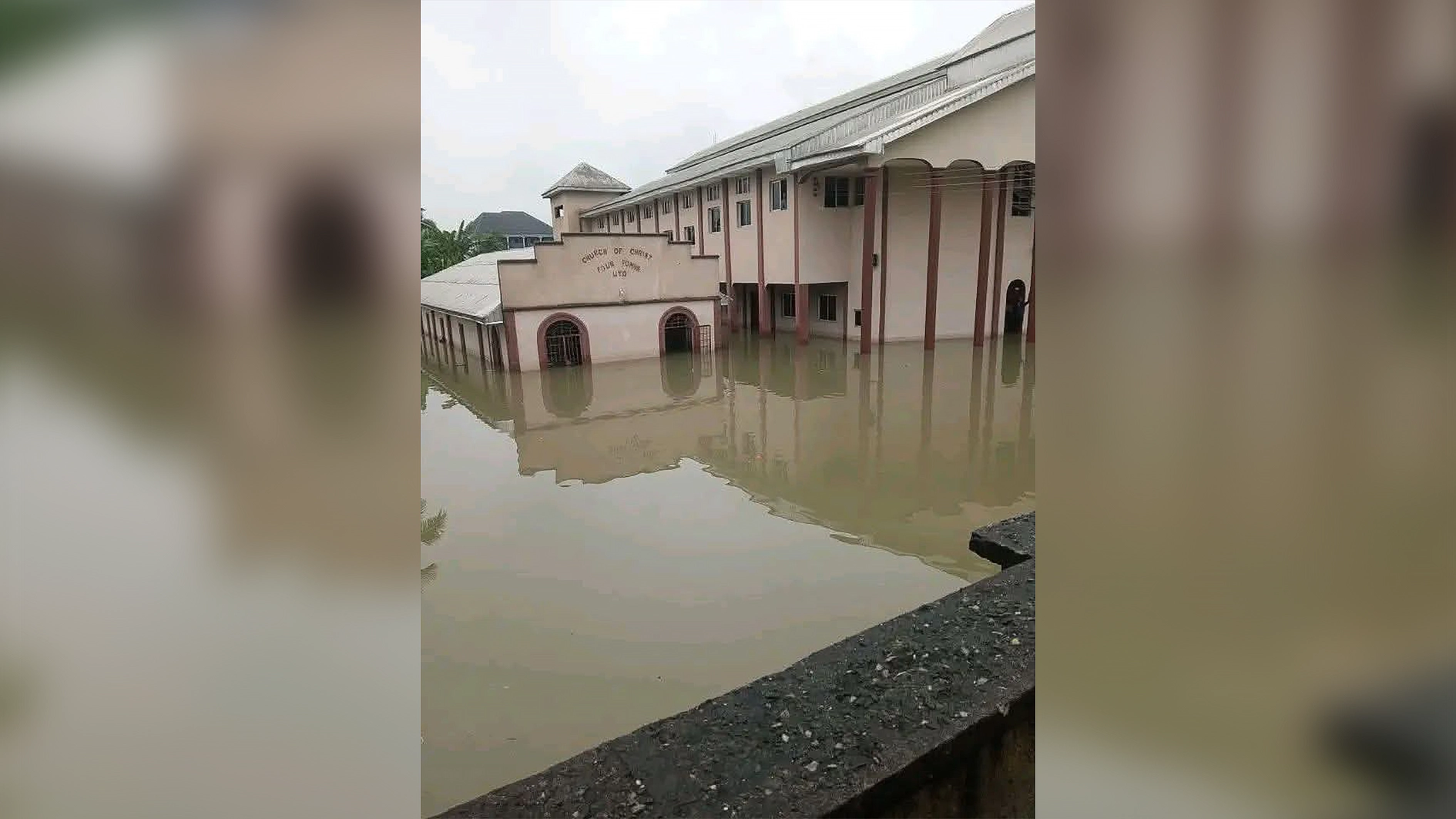
By Wole Fayemi
In 2022, floods cost Nigeria an estimated U.S. $6.7 billion, equivalent to about 1.per cent of the country’s Gross Domestic Product. More than 2.8 million people were displaced, over 600 lives were lost, and homes, farms, businesses and public infrastructure across the country were devastated. One year later, the National Bureau of Statistics estimated another $9 billion in economic losses from the 2023 floods. Two consecutive years of multibillion dollar flood damage should have fundamentally changed how Nigeria thinks about resilience.
Unfortunately, this is not the case yet. Nigeria needs an urgent, comprehensive response to its escalating flood crisis, one that extends beyond physical infrastructure to include a robust economic safety net.
Climate change makes this challenge more urgent. The true cost of flooding is not the roads and buildings that are destroyed. It is the businesses that never reopen, the jobs that disappear, and the investments delayed because recovery consumes resources meant for growth. Rebuilding is essential, but rebuilding alone cannot make the country more resilient.
The trader who loses her entire inventory may never reopen her shop. The farmer who loses a season’s harvest may never recover the income that would have paid school fees or financed the next planting cycle. A small manufacturer forced to replace damaged equipment often postpones expansion, delays hiring and loses market share. Families exhaust savings that took years to build simply to repair their homes and replace essential belongings.
Floods have become much more than an environmental disaster. It has become an economic one. They may begin as natural events, but they become economic crises after the water recedes. The flood itself may last for days, but the financial consequences linger for months, and in many cases, years.

This is where Nigeria’s public policy conversation must change the direction of its discourse.
Nigeria must treat insurance as part of its economic infrastructure, not simply as a financial product. Insurance protects productive assets, preserves household wealth, helps businesses recover faster, reduces pressure on public finances and gives lenders and investors greater confidence. Combined with disaster risk financing, agricultural insurance and SME protection, it spreads the cost of disasters instead of leaving families and governments to bear it alone.
What must change? We need to shift from financing disaster recovery to financing disaster preparedness.
Nigeria’s response must begin with a fundamental shift in policy. Disaster risk financing should no longer be treated as an afterthought but as a core pillar of every national flood resilience and climate adaptation strategy. Dedicated funding mechanisms must be established before disasters occur, replacing the costly cycle of reactive emergency spending with proactive financial preparedness.
State governments must also move beyond broad disaster response and adopt targeted risk protection. By mapping flood-prone communities and expanding affordable insurance for farmers, small businesses, and low-income households, they can protect livelihoods, reduce economic disruption, and accelerate recovery in the communities that suffer the greatest losses.
Equally important, financial resilience should be embedded in public investment. Flood insurance should be integrated into public infrastructure and government-backed housing programmes so that roads, schools, hospitals, and homes can be repaired or rebuilt rapidly after disasters, without placing additional strain on already stretched public finances.
Finally, policymakers and the insurance industry must work together to close Nigeria’s protection gap. Regulators should create incentives that expand access to affordable flood insurance, while insurers must earn public confidence by simplifying products, delivering transparent customer experiences, and settling claims quickly and fairly. Trust remains the industry’s greatest currency. Strengthening it will not only increase insurance uptake but also build a more resilient economy capable of withstanding an increasingly uncertain climate.
Closing Nigeria’s protection gap requires more than encouraging people to buy insurance. It requires removing the barriers that have kept millions outside the protection system. That has been the focus of Heirs Insurance Group over the past five years. By simplifying insurance, digitalising access and fully automating claims, we have made financial protection easier to access and more dependable, extending protection to more than three million people directly and indirectly. Every barrier removed brings more households and businesses into the protection system, ensuring that fewer Nigerians face the financial consequences of disasters without a safety net. But lasting progress will require efforts that extend well beyond any single insurer.
Building a more resilient Nigeria requires a shared commitment – the government, insurers, and regulators working collaboratively to build a more resilient infrastructure and framework. Government must continue investing in flood control while making insurance and risk financing an in-built part of national resilience. Regulators should encourage innovation and protection of policyholders’ interests, in order to win public confidence. Insurers must earn trust through transparency and prompt settlement of genuineclaims, while businesses and individuals should see risk management as an investment rather than an afterthought.
The economiesthat thrive in a changing climate will be those that recover faster and protect their productive capital, despite environmental and economic challenges.
Fayemi is MD/CEO, Heirs General Insurance.

