 Follow Us on Google News
 Follow Us on Google Discover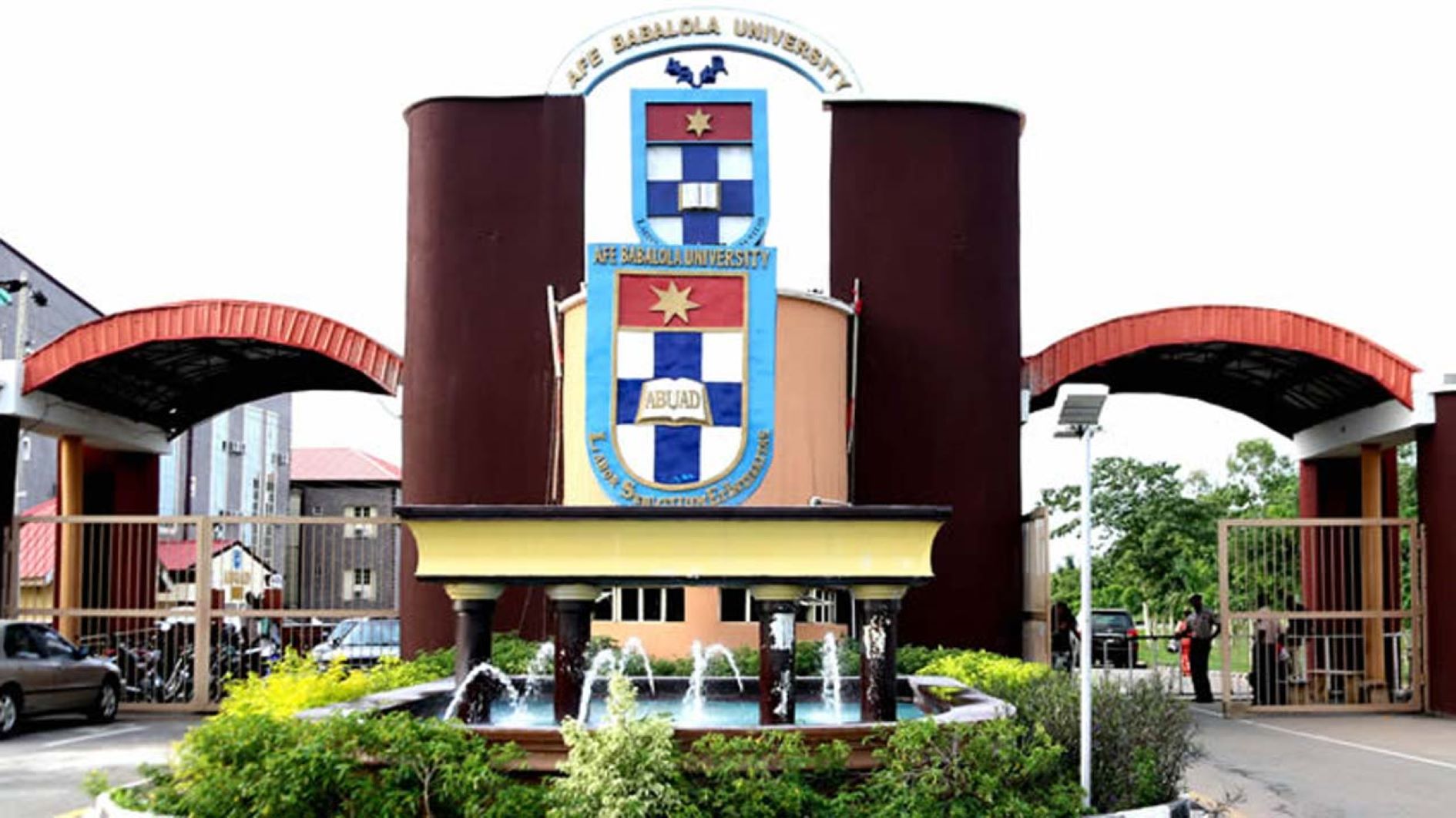
The Afe Babalola University, Ado Ekiti (ABUAD) Advanced School on Stroke Neurochemistry and Cerebrovascular Resilience and the scholars, researchers under the auspices of the International Society for Neurochemistry (ISN) have called for action to prevent, treat and rehabilitate victims of stroke.
They spoke yesterday at ISN-ABUAD Advanced School on Stroke Neurochemistry and Cerebrovascular Resilience with the Theme : Stroke Neurochemistry and Neurovascular Resilience scheduled for 3rd to 11th August 2026.
In her welcome address at the event, the Vice Chancellor of the ABUAD, Prof Smaranda Olarinde, said that stroke remains one of the leading causes of death and disability worldwide, demanding innovative research, multidisciplinary collaboration and evidence-based intervention.
“This Advanced School brings together scientists, clinicians and young researchers to examine the molecular mechanisms underlying cerebrovascular disease and to explore new strategies for prevention, treatment and rehabilitation.
“At ABUAD, we remain committed to advancing knowledge through cutting-edge research, innovation and global partnership. We are proud to host this programme in collaboration with the International Society for Neurochemistry, creating a platform for intellectual exchange and discoveries that can benefit lives across continents.”
In his submission, the keynote speaker Prof. Rufus Akinyemi, a professor of geriatric neurology and translational neuroscience at the College of Medicine, University of Ibadan, said there is need for action, emphasizing the importance of detection, management and control of cardiovascular risk factors, including hypertension, diabetes, dysepidemia and obesity as a strategy to reduce the
escalating burden of stroke on the continent of Africa.

“Every six minutes, six Africans develop a stroke. So that is why it is very important for us to run a school on this topic from a research perspective, from public health perspective and from academic advocacy or policy perspective as well.
“What we need to do as individuals, you know, in terms of our lifestyles, what we eat, what we drink, how we sleep, how long, how well do we sleep, how physically active we are and how cognitively and socially engaged or connected are we. These are all important lifestyles that have implications for brain health.
“We also emphasize on the importance of living in a healthy environment. The more green around us, the healthier we are. So we need to live in an environment that is free of air pollution, that has a lot of greenery, just like I can see this very beautiful landscape of Afe Babalola University.
“And then at the top I was talking about the importance of policy interventions. We need government policy makers to intervene. We need partnership with industry so that we can all work together to tackle brain health problem and more specifically stroke and dementia in Africa.”
Other speakers including Prof.Amadi Ihunwo of the University of the Witwatersrand, Johannesburg, South Africa and Prof. Maria Rosa Chitolina of Federal University of Santa Maria, Brazil, said ABUAD situates itself as a location where more scientific activities, especially in neuroscience, can take place.
They said that Neurochemistry is a very important school that is focusing on very important subjects, knowing that stroke is a big public health problem in Nigeria, in Africa and across the globe.

