 Follow Us on Google News
 Follow Us on Google Discover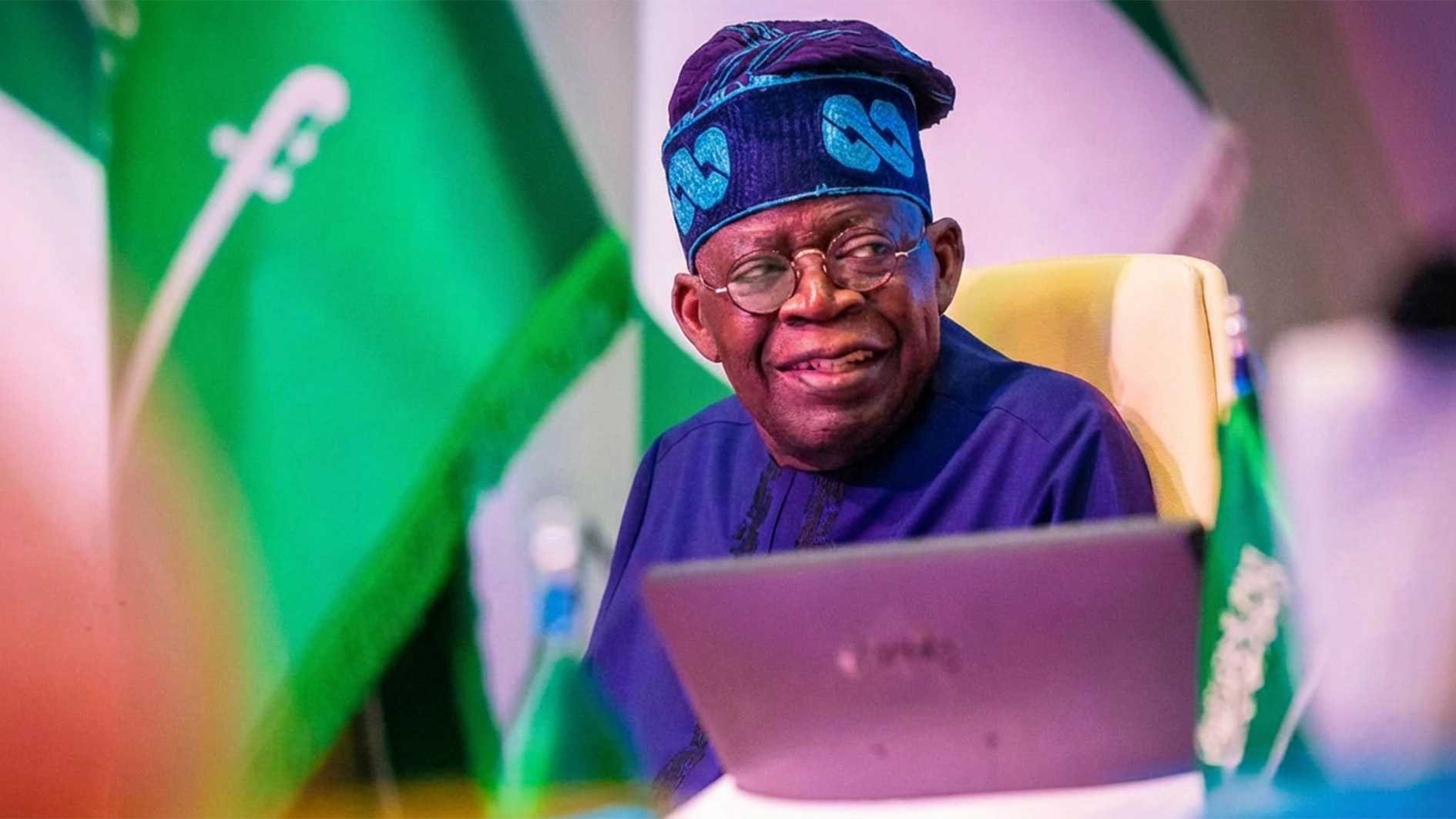
A retired Assistant Inspector-General (AIG) of Police, Baba Ade Ajakaiye, has called for an immediate return to parliamentary government and regionalism, arguing that the current presidential system and 36-state structure have become too costly for Nigeria’s fragile economy to sustain.
Ajakaiye, a poet, author and current affairs commentator, made the call in a public intervention on Nigeria’s economic challenges, where he urged President Bola Tinubu and the National Assembly to initiate constitutional amendments to restructure the country’s system of governance.
According to him, Nigeria’s rising cost of governance has made the present political arrangement unsustainable, with government spending increasingly consumed by salaries, pensions and debt servicing at the expense of infrastructure and development.
“Today, Nigeria can be said to be broke. But the government is not. We are literally borrowing to pay salaries and interest,” he said.
The retired police chief argued that although the Federal Government generated substantial revenue in recent years, personnel costs and debt servicing had continued to outpace earnings, leaving little room for capital projects capable of stimulating economic growth.
He described the presidential system adopted in 1979 as too expensive for Nigeria’s economic realities, noting that it encourages duplication of responsibilities, bloated political appointments and costly elections.

“The presidential system is built for winner-takes-all politics. It breeds duplication. The President appoints ministers who are not lawmakers, while a separate National Assembly approves everything. The result is waste, lobbying and avoidable delays,” he said.
Ajakaiye maintained that Nigeria spends too much running the government rather than creating wealth, warning that a country where salaries and debt obligations consume virtually all public revenue cannot achieve sustainable development.
He advocated a return to the parliamentary system practised at independence, saying it would significantly reduce the cost of governance by eliminating a separate executive and reducing political appointments.
Under such an arrangement, he explained, the Prime Minister and cabinet members would emerge from Parliament, while elections would become less expensive because citizens would only elect members of parliament, with the majority party forming the government.
“The Prime Minister must answer questions regularly in Parliament, making the government more accountable. If the government fails, it can be replaced without waiting for another four-year election cycle,” he said.
Ajakaiye also argued that parliamentary government alone would not solve Nigeria’s governance challenges unless accompanied by a return to regionalism.
He proposed restructuring the country into six regions with fiscal autonomy, while limiting the responsibilities of the Federal Government to defence, foreign affairs and monetary policy.
According to him, regional governments would be better positioned to harness their comparative economic advantages, with the North focusing on agriculture, the South-West on technology and finance, the South-East on manufacturing, and the South-South on maritime and petroleum resources.
He recalled that Nigeria’s regions recorded significant development before the military era, citing achievements such as the establishment of Africa’s first television station in the old Western Region, industrial growth in the East and agricultural prosperity in the North.
The former AIG argued that regional competition encouraged innovation and accelerated development, unlike the present system where most resources are concentrated at the centre.
He also maintained that reducing the number of governors, deputy governors and political appointees would save billions of naira annually and allow more public funds to be invested in infrastructure, education, healthcare and security.
“The savings will be redirected to infrastructure. Accountability will be closer to the people, and agitation will reduce because regions can develop at their own pace,” he said.
Ajakaiye called on the Federal Government to commence constitutional reforms to adopt parliamentary government at the federal and regional levels, restructure Nigeria into six fiscally autonomous regions and conduct a national referendum to allow Nigerians to decide the country’s future governance structure.
“The presidential system has had 25 years with a lot of hiccups, and the bill is too high. For the sake of our economy and our children, let us choose a simpler, cheaper and more productive Nigeria,” he added.

