 Follow Us on Google News
 Follow Us on Google Discover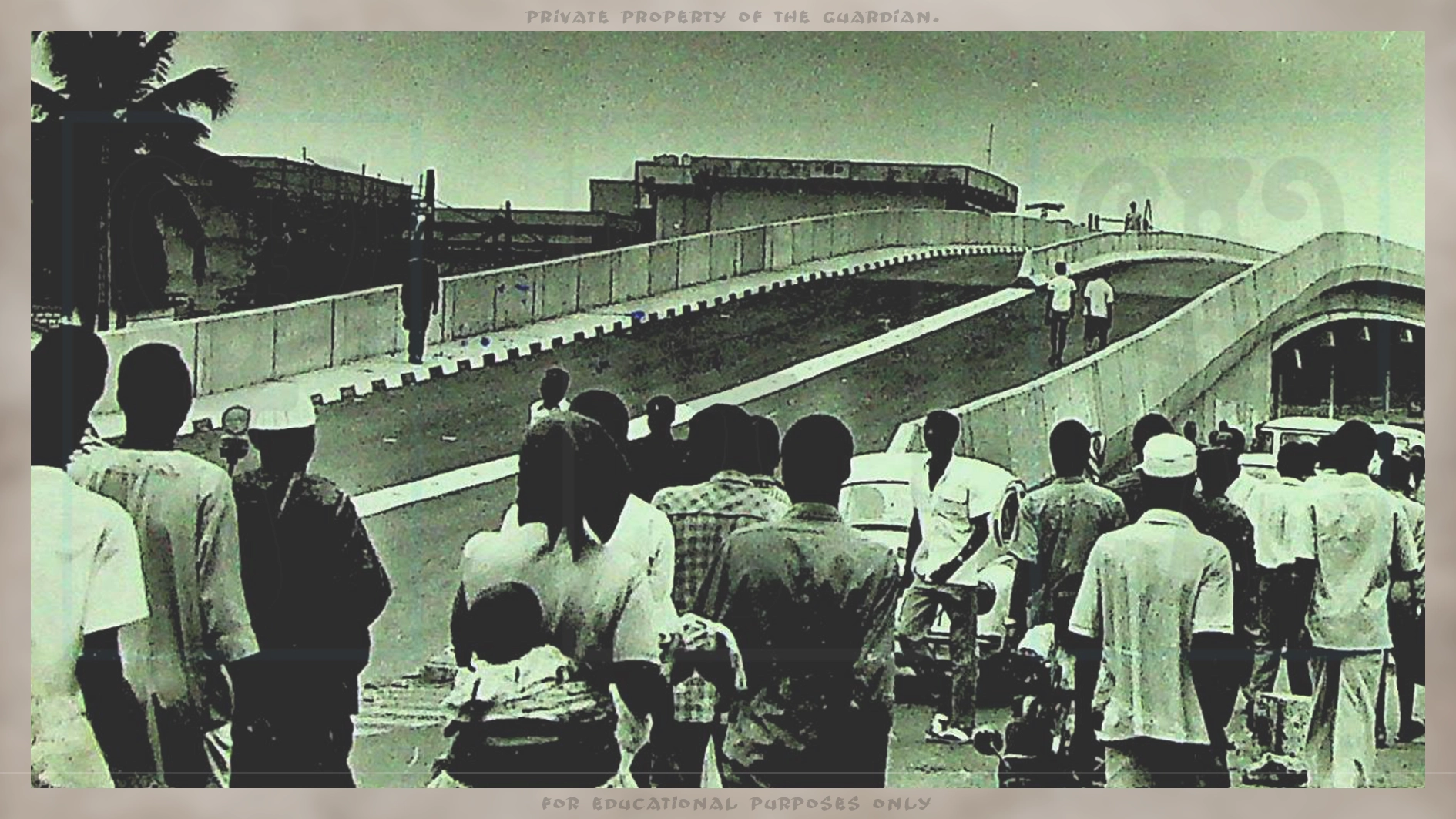
Heavy traffic in Lagos often makes news headlines, such as when unusual blockages happen along major roads, or during major link bridge commissionings and infrastructural upgrades. If you lived through the classic days of Lagos traffic, you already know that a traffic jam is never just a traffic jam. It is an experience, a test of endurance, and a complete standstill that can stretch for hours. Looking back at the photos from the archive brings back memories of how city movement has always clashed with major infrastructural development. Traffic in Lagos has always been a way of life, and nowhere captures this reality better than the history of construction around the Ikeja transit corridors.
Before and after the bridge
Every major development in a busy city comes with a heavy price, and the history of bridge construction around Ikeja is a perfect example. Decades of urban growth turned key areas into massive bottlenecks whenever engineers moved in to expand roads, build overpasses, or link major districts. Looking back, these construction phases were painful necessary evils.
At the time, closed lanes, heavy equipment, and diverted paths squeezed thousands of vehicles into narrow alternative routes. Yet, these growing pains paved the way for modern commuting. The heavy, chaotic gridlock is a reminder of how much the city has evolved to keep people moving.
Lagosians have always possessed a unique culture of survival on the road, especially when major construction projects bring traffic to a total crawl. Think about how street vendors, hawkers, and local traders adapted instantly to long lines of trapped vehicles, weaving between cars to sell cold drinks, snacks, and everyday items to tired motorists.
Similarly, commercial bus drivers, the famous danfo drivers, mastered secret inner-street shortcuts through residential neighborhoods like Mende and Opebi to beat the main road blockages. Meanwhile, everyday commuters turned hours of standstill traffic into impromptu social spaces. Strangers became friends, sharing complaints about the government, gisting about daily life, and finding ways to laugh through the frustration.
The mental effect
Traffic anxiety is a timeless part of living in Nigeria’s commercial capital. These photos of long vehicle queues are not just pictures of cars; they are portraits of human patience. Generations of Lagosians have learned to cope with the mental strain of gridlock caused by construction work, road blockages, and vehicle breakdowns.
Leaving home hours before an appointment became a standard rule of survival. Commuters learned to expect the unexpected, accepting that getting from one point to another in Ikeja required a strong mindset and plenty of endurance.
The Economic Ripple Effect on Local Businesses
Major construction work around commercial hubs also had a massive impact on local businesses. For roadside shops and small vendors, slow-moving or completely blocked traffic meant a captive market of potential customers sitting in vehicles for hours.
However, for corporate offices, logistics companies, and corporate workers operating within the Ikeja hub, the constant delays translated to serious logistical challenges. Getting goods, staff, and services across town required careful planning around construction schedules and peak rush hours.
These archive photos remind us that while car models and fashion styles change over the decades, the Lagos hustle remains the same. Whether it is a major bridge project under construction or the everyday rush of commercial activity, the commuter always finds a way to adapt and move forward.
