 Follow Us on Google News
 Follow Us on Google Discover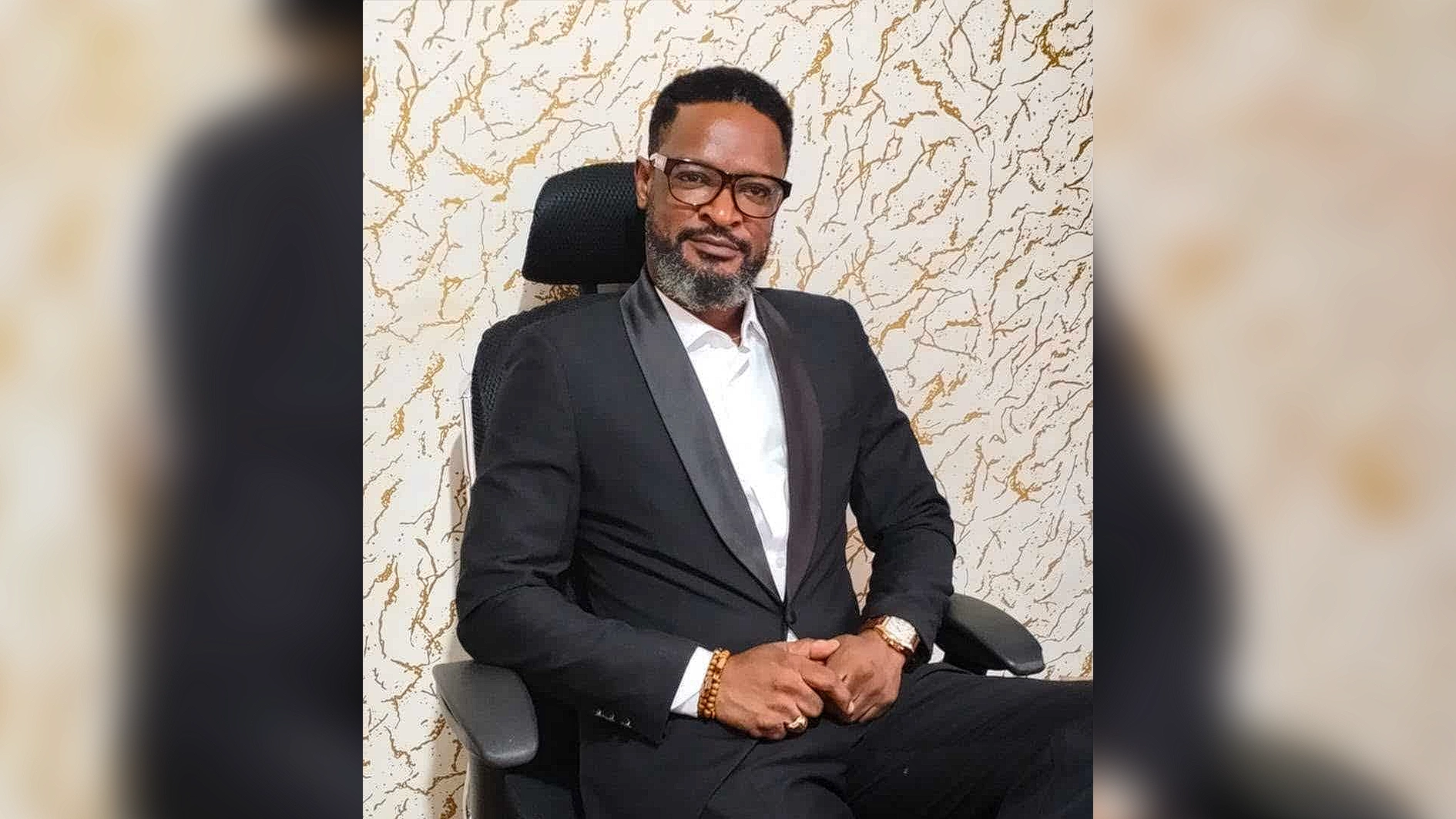
A physician, Chief Dr Odetunde Adebayo peter Smart has called on the federal and state governments to urgently address the nation’s security crisis by expanding security agencies, supporting farmers with grants and machinery, and establishing state policing.
The medical doctor, who runs the Odetunde Smart Foundation, a non-governmental organisation (NGO), focused on providing free surgical care to underprivileged Nigerians, made the call in an interview with Guardian in Abuja, warning that insecurity was severely hampering access to healthcare in remote communities.
“NGOs cannot do it alone,” Dr Odetunde said. “I am urging governments at all levels to brace up security by accommodating more applicants into security agencies, providing grants and loans for farmers, and empowering state policing and vigilantes to combat this menace.”
Dr Odetunde, also a Rotarian, said his advocacy stemmed from years of frontline medical experience, during which he had treated malnourished children, performed hernia repairs and growth removals on the aged, and successfully repaired a vesico-vaginal fistula (VVF) for a young girl from Katsina State who had been turned away from a government hospital for lack of funds.
“The rate at which poverty has eaten up our society has driven me to move beyond the clinic to the NGO level,” he said. “Seeing patients unable to pay small medical bills pained me so much. I have had to provide free services, feed admitted patients, and even provide transport for them to return home.”
He, however, lamented the numerous challenges facing humanitarian work in Nigeria, including the inability to meet overwhelming demand, the lack of basic diagnostic equipment such as scanners and X-ray machines, and the difficulty of accessing remote communities due to insecurity.

Dr Odetunde, who also owns the A. P Smart College of Health Sciences and Technology, noted that his poor background and the environment in which he grew up had shaped his commitment to service, adding that while he had long nurtured the vision for his humanitarian interventions, lack of access to the right networks had limited his reach.
He decried the notoriety associated with running NGOs in Nigeria, citing fraud, lack of trust, bottlenecks from grant providers, and political interference as major setbacks.
The doctor also expressed support for the entertainment industry, describing it as a vital channel for health awareness and therapeutic communication.
He said his backing of entertainers was an extension of his humanitarian mission, as they helped disseminate critical information to the masses.
“Knowing the needs versus the wants of the community is key,” he said. “The need is what I target, considering the beliefs and traditions of the people alongside the population size of those in need.”
Dr Odetunde called on well-meaning Nigerians and development partners to support grassroots humanitarian initiatives, while stressing that sustained government action on security and agriculture remained the most viable path to reducing poverty and improving health outcomes across the country.

