 Follow Us on Google News
 Follow Us on Google Discover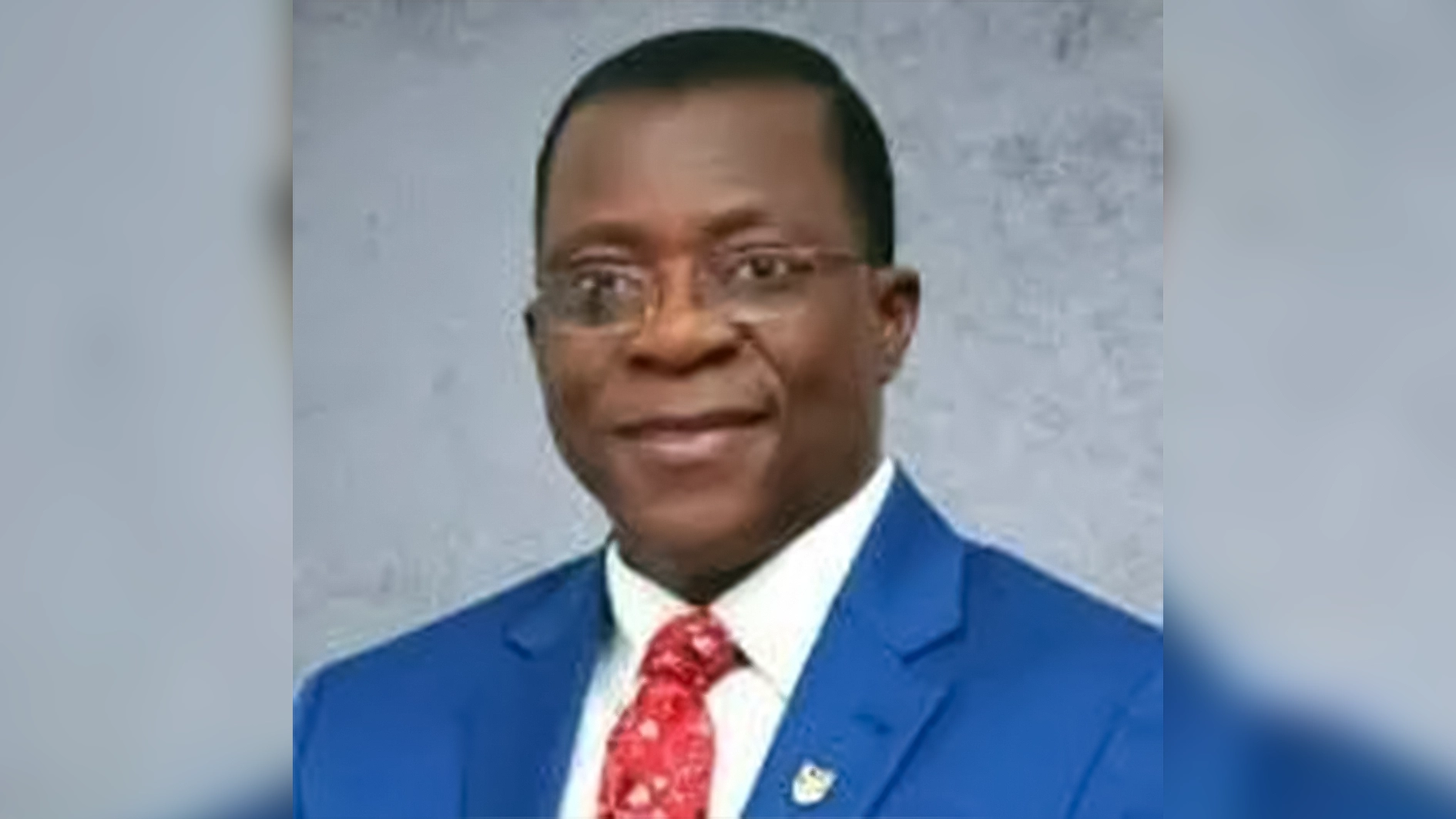
Nigeria needs a multilevel policing system that will strengthen community intelligence and improve the country’s capacity to tackle kidnapping, banditry, cultism and other emerging security threats, a security scholar at the University of Ibadan, Prof. Oyesoji Aremu, has said.
Speaking with The Guardian in Ibadan, Aremu said the country could no longer rely solely on a centralised policing structure to effectively address the complex and evolving nature of insecurity across the country.
He advocated a policing model in which intelligence would be sourced from communities and effectively shared among relevant security agencies, similar to practices in countries such as the United States and the United Kingdom.
According to him, although Nigeria might not yet have a fully developed multilevel policing model, elements of such a system already exist within the country’s legal and policing framework.
He specifically cited the Nigeria Police Act 2020, particularly Part XIII, Sections 105 to 112, which provides for the establishment and operation of the Constabulary Police.
“We need a multilevel policing model in which intelligence will be sourced from the community as we have in the US and the United Kingdom. We may not be fully there yet to have this model, but already we have a semblance of it,” he said.
Aremu also called for stronger coordination among the police, armed forces and other paramilitary agencies, saying relevant policing units within these institutions should be made to function effectively as part of an integrated national security architecture.
He said such coordination would strengthen border security, facilitate seamless profiling, improve intelligence sharing and ensure faster responses to security threats.
“When these units are made to function, border security will be stronger, profiling will be seamless, intelligence sharing will be more effective, response will be more swift, and there will be less of kinetic warfare,” he said.
The security scholar urged members of the public to play a greater role in security by reporting suspicious activities and cooperating with security agencies.
He said an effective community-based intelligence system would encourage citizens to report threats before they escalate into major security incidents.
Aremu also backed the establishment of state police, describing it as long overdue in Nigeria, particularly in view of the country’s persistent security challenges.
He argued that state policing, if properly structured and regulated, could strengthen community and neighbourhood security by making policing more responsive to local realities.
He, however, cautioned that state police should not be established without adequate constitutional and institutional safeguards to prevent political abuse.
According to him, fears that governors could use state police to intimidate political opponents should be addressed through strong constitutional provisions, operational guidelines and independent oversight mechanisms.
He said the National Assembly should create an institutional framework capable of checking abuses by political actors at the state level.
Aremu proposed that each state police command should have a hierarchical structure similar to the federal police but with distinct nomenclature, suggesting that the state police should be headed by a Chief Commissioner of Police.
He also advocated the establishment of State Police Commissions to oversee the state police, with such bodies chaired by retired police chiefs or academics with relevant experience.
He said the responsibilities of the federal and state police must also be clearly defined to prevent operational conflicts.
According to him, national and state crimes should be clearly delineated, while the federal police should assume operational responsibility whenever there were overlaps between the two policing structures.
Aremu further called for amendments to Section 214 of the 1999 Constitution and the 2020 Police Act to accommodate a properly regulated state police structure.
He said state police could also contribute to election security but should not be solely responsible for securing elections, especially during state-specific polls.
“Federal police personnel should take operational lead in strengthening election security. This is not only during state-specific elections, but in all national electoral activities,” he said.

