 Follow Us on Google News
 Follow Us on Google Discover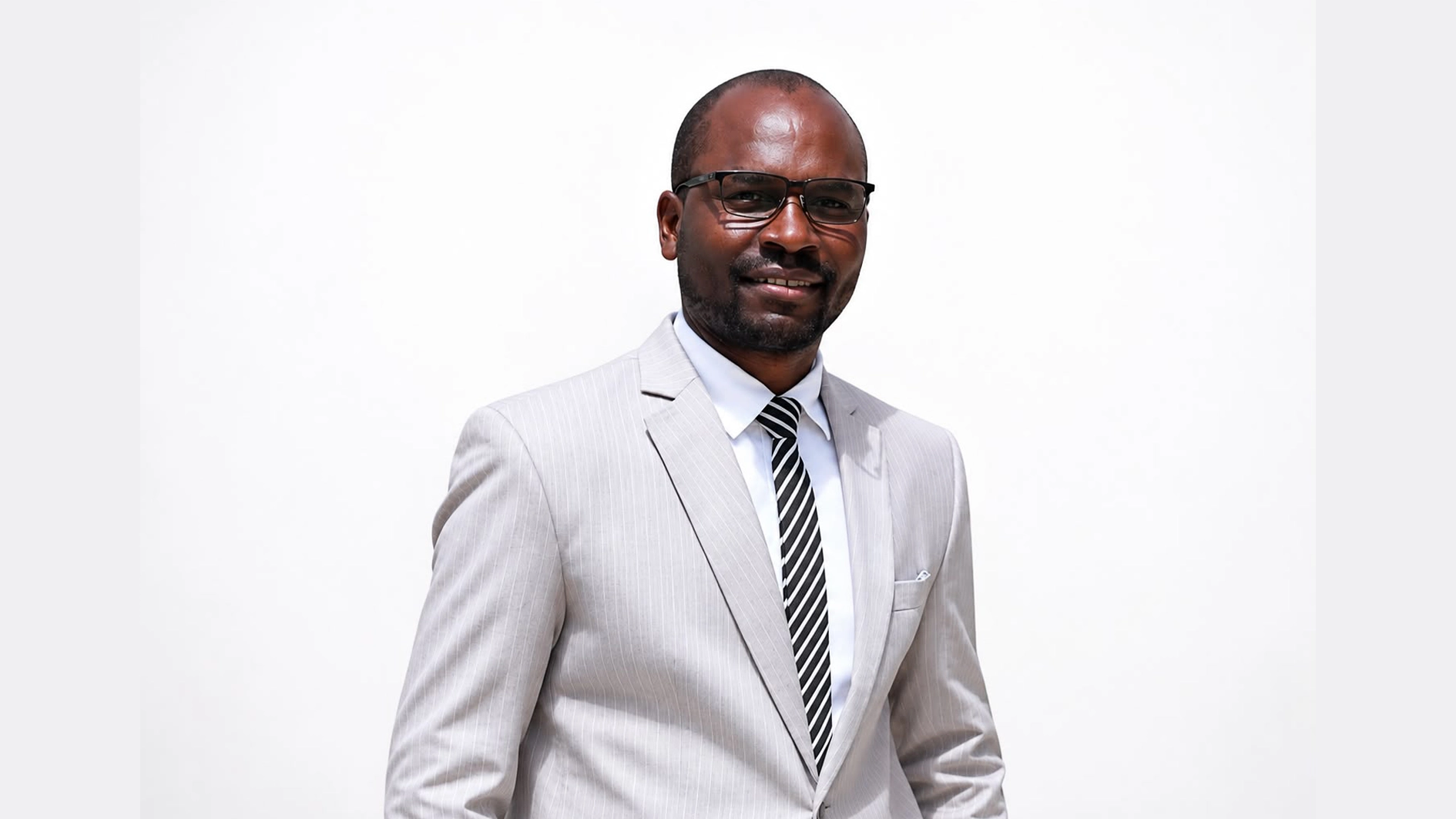
An internationally recognised expert in the engineering profession, Engr. Ologe Solomon Ochuko, CEng, FIMechE, has provided a technical clarification on the scope and limitations of the global engineering qualification frameworks administered by the International Engineering Alliance (IEA).
Following discussions at the 34th Engineering Assembly of the Council for the Regulation of Engineering in Nigeria (COREN), questions emerged about whether recent developments in engineering education automatically permit Nigerian engineers and technologists to practice abroad under international agreements.
Speaking on the issue, Engr. Ochuko, a Chartered Engineer registered with the Engineering Council (UK) and a Fellow of the Institution of Mechanical Engineers (IMechE), told newsmen that the International Engineering Alliance accords are frequently misunderstood.
“The international engineering accords facilitate the recognition of accredited engineering education programmes across participating jurisdictions,” he said. “They are not immigration pathways, nor do they replace national licensing requirements, statutory professional registration, or the legal conditions imposed by individual countries for engineering practice.”
Engr. Ochuko, who currently serves as a Senior Research Engineer at the Polytechnic University of Catalonia in Barcelona, Spain, noted that the IEA administers three distinct educational accords, each covering a different category of engineering qualification.
He listed them as follows:
• Washington Accord – Recognition of accredited professional engineering degree programmes.
• Sydney Accord – Recognition of accredited engineering technology qualifications.
• Dublin Accord – Recognition of accredited engineering technician qualifications.

According to Engr. Ochuko, these accords operate independently, with each maintaining separate accreditation standards and membership requirements.
Pointing out that COREN currently has Provisional Signatory status under the Washington Accord, he stated that provisional membership should not be interpreted as Full Signatory status or as conferring automatic international practice rights.
He further observed that Nigeria does not presently hold active signatory status under the Sydney Accord or the Dublin Accord.
Drawing on his experience evaluating engineering competence for professional registration in the United Kingdom, Engr. Ochuko stressed that educational recognition and professional licensure remain separate processes.
“Even where a qualification is recognised under an international accord, engineers seeking to practise abroad must still satisfy the statutory requirements of the destination country,” he explained. “These may include competency assessments, professional registration, licensing examinations, immigration requirements and, where applicable, language proficiency.”
Despite the need for accurate interpretation of international engineering agreements, Engr. Ochuko commended COREN for its ongoing reforms, particularly the implementation of Outcome-Based Education (OBE) and continued benchmarking of engineering programmes against internationally recognised standards.
He described these initiatives as significant steps towards strengthening engineering education in Nigeria and improving the international competitiveness of future graduates.
Industry observers and members of the engineering profession have welcomed the clarification, noting that it helps distinguish between international educational recognition and the legal requirements governing professional engineering practice in individual countries. The analysis is expected to assist engineers, academic institutions, employers and policymakers seeking a clearer understanding of global engineering mobility frameworks while supporting informed public discussion on engineering regulation and international professional standards.
Engr. Ochuko contributes to international engineering regulation as an International Professional Review Interviewer for IMechE, assessing candidates for Chartered Engineer registration under the UK Standard for Professional Engineering Competence (UK-SPEC). In addition, he serves as the IMechE Representative for the Barcelona Area within the Institution’s Iberia Chapter, supporting professional engineering activities across Spain and Portugal.

