 Follow Us on Google News
 Follow Us on Google Discover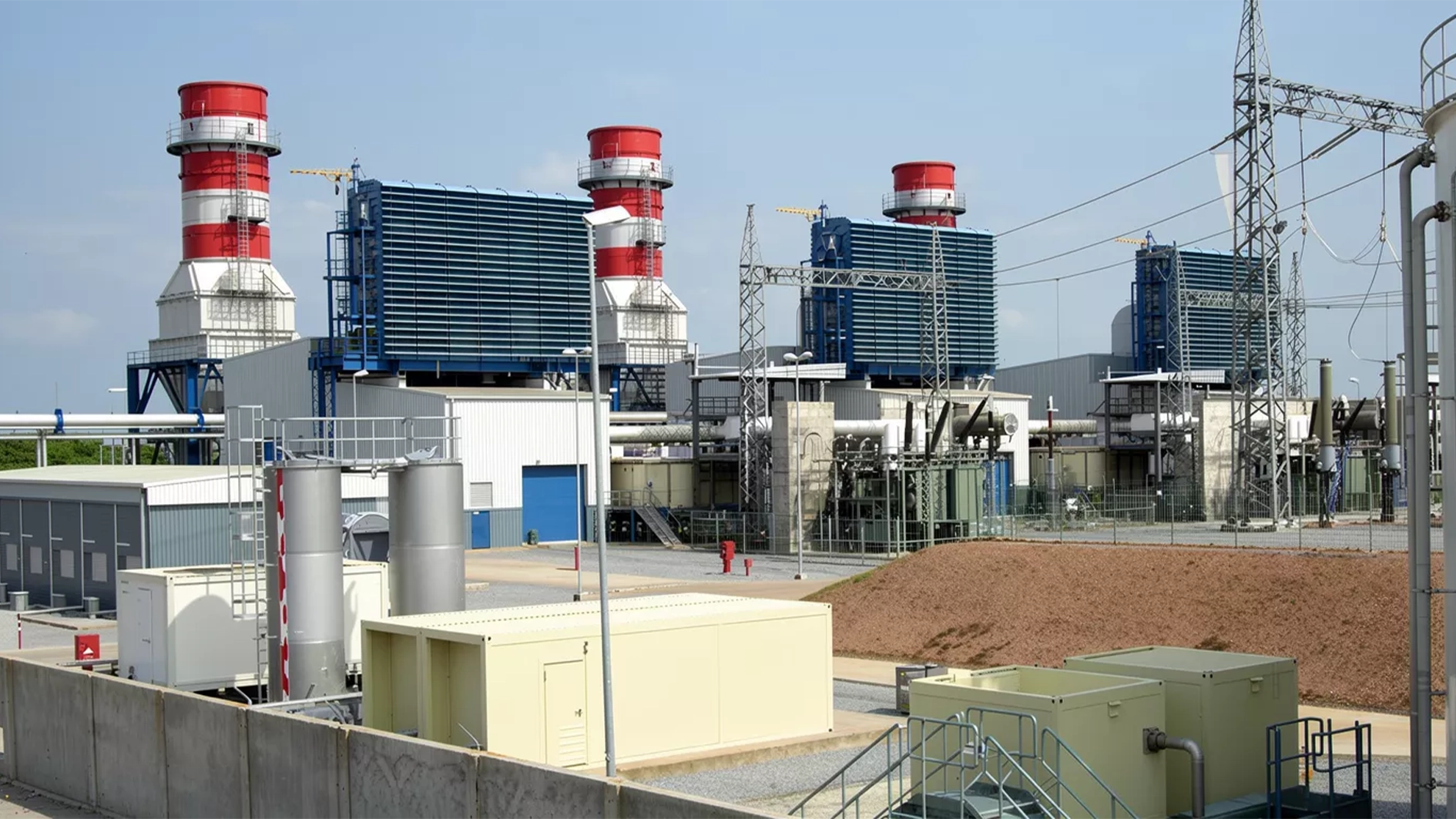
Low offers have left thousands of retail investors struggling to exit Geregu Power Plc’s stocks trapped, market data analysis has shown.
This came in the first trading session after the company was reported to have defaulted on its N40.1 billion bond.
An analysis of the order book on Bamboo showed that 8.51 million Geregu shares were on offer while bid volume was zero, underpinning its current liquidity crisis.
According to the order book, some of the shareholders were offering their shareholding at as much as a 10 per cent discount amid rising desperation to dump the asset.
The market price has stalled at N826 in the past week. Offer prices were as low as N750 in some cases.
The development, according to market operators, reflects weak demand for the two listed energy stocks – Geregu and Transcorp Power Plc.

For Geregu, 8,509,052 shares were offered across 20 price levels. The pattern was also evident in Transcorp Power, where 7,292,063 shares were on offer against a blank bid.
The concentration of sell orders against weak demand, according to market analysts, suggests that shareholders are willing to sell at quoted prices, but without prospective buyers.
A capital market analyst, David Adonri, attributed the development to the forces of supply and demand, saying demand for the two securities “is very, very weak”.
He said the prices of the stocks were probably higher than what their fundamentals justified, making them unattractive to prospective investors.
“The stocks are available to be bought. So, they are really on offer in the market. But no person is willing to buy,” he said.
He, however, rejected the suggestion that investors had lost confidence in the power sector, arguing that the problem was largely related to the prices of the securities and the returns investors were getting.
“I do not think investors have lost confidence in the power sector. I think it is a function of the high prices and the returns that investors have been getting that are not commensurate with the prices of those securities,” he said.
Adonri said a new NGX policy scheduled to take effect from August 17 could improve liquidity in high-priced stocks by changing the market pricing mechanism.
He expressed optimism that the policy would restore liquidity to the affected securities.
The Managing Director and Chief Executive Officer of Arthur Stevens Asset Management Limited, Olatunde Amolegbe, also cautioned against interpreting the weak order books as evidence that investors had completely abandoned the two companies or the power sector.
He described the situation as more of a “liquidity and price-discovery issue” than a fundamental loss of confidence.
According to him, the energy companies have relatively limited market depth compared with more actively traded banking and large-cap stocks on the NGX, making trading particularly thin when buyers are unwilling to meet sellers’ asking prices.
“In an illiquid counter, sellers may be reluctant to lower their asking prices while buyers wait for more attractive valuations,” he said.
He noted that both companies remained profitable, with Geregu recording about N184.9 billion in revenue and N27.25 billion profit after tax (PAT) in 2025, while Transcorp Power posted N398.3 billion revenue and N91.4 billion PAT.
However, he said both companies had experienced softer earnings recently, while the broader power sector continued to contend with gas supply constraints, transmission bottlenecks, receivables and cash-conversion challenges.
Amolegbe said the market was reassessing the earnings outlook, valuation and liquidity of the two counters.
“Their weak trading activity reflects limited market depth and price discovery, alongside concerns about near-term earnings and the broader operating environment,” he said.
He said the return of institutional demand at lower or more attractive valuations would provide a clearer indication of whether the current weakness represented a temporary liquidity problem or a deeper deterioration in investor sentiment.

