 Follow Us on Google News
 Follow Us on Google Discover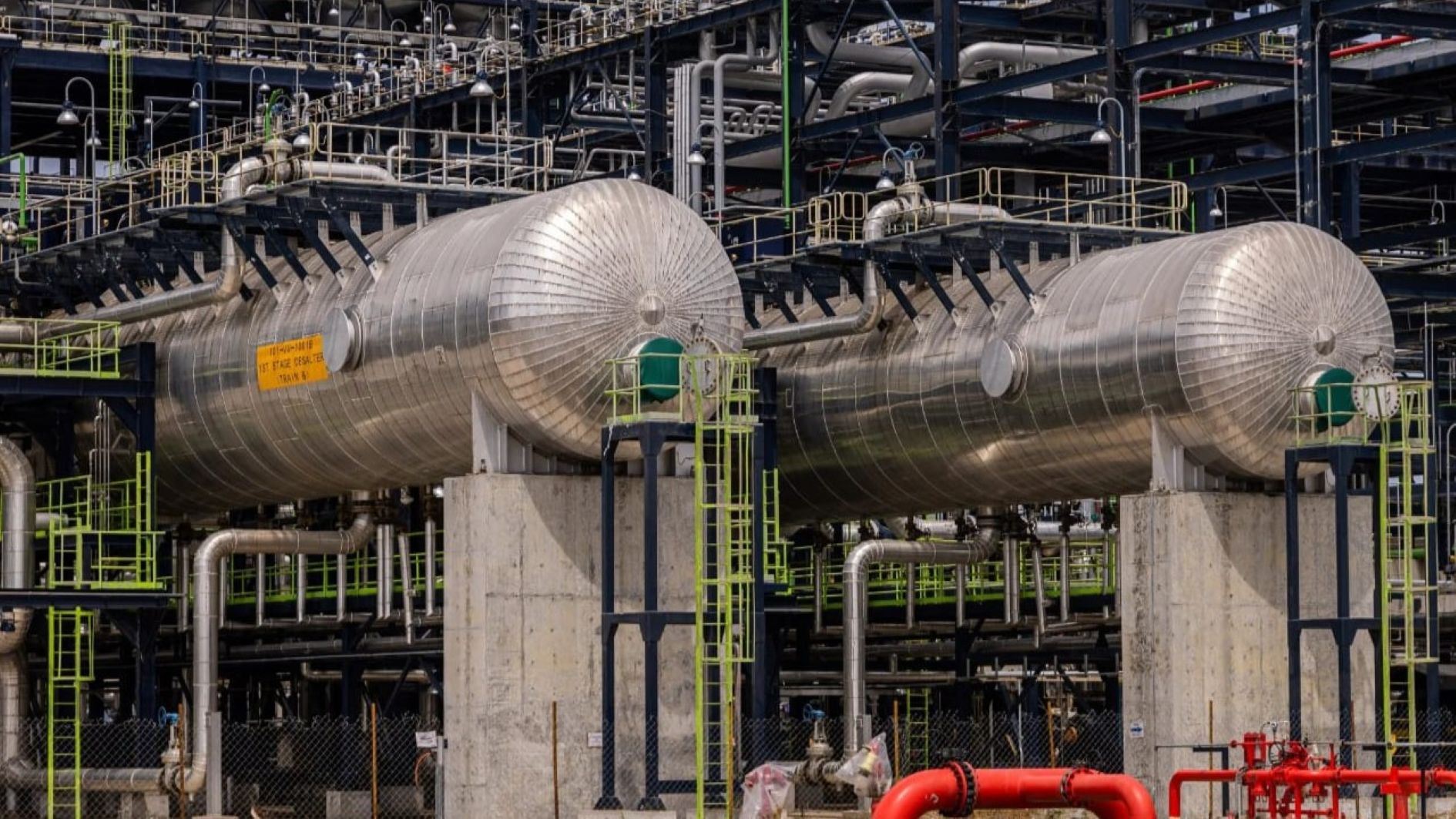
Petroleum and Natural Gas Senior Staff Association of Nigeria (PENGASSAN) has called for a fundamental restructuring of the ownership of Nigeria’s refineries.
It proposed that strategic private investors should acquire up to 51 per cent equity in the facilities to end prolonged government control and establish a commercially driven refining industry.
PENGASSAN President, Festus Osifo, said this yesterday during an engagement with the media in Lagos, where he spoke on the state of the nation’s refineries and the association’s contributions to the oil and gas industry.
He said the emerging partnership between the Nigerian National Petroleum Company Limited (NNPCL) and the Chinese company should go beyond technical maintenance and culminate in the investor becoming an equity partner in the refinery business.
He also said government should retain 49 per cent ownership while allowing the private investor to take a controlling 51 per cent stake, arguing that such a structure would remove the bureaucratic and political bottlenecks that had historically slowed down investment and maintenance decisions in the refineries.
According to him, the model would ensure that decisions concerning the refineries are taken primarily on commercial considerations rather than through prolonged government approval processes.

Osifo said the association had consistently advocated such a model, stressing that the experience of Nigeria’s refineries demonstrated the limitations of government-funded rehabilitation without a sustainable commercial structure.
He recalled that for many years, successive administrations announced rehabilitation programmes for the Port Harcourt, Kaduna and Warri refineries, but little actual work took place despite the approvals and contracts announced by government.
He said the situation changed significantly from 2021 when major rehabilitation efforts commenced, noting that PENGASSAN followed the process closely through its members working in the affected facilities and engagements with contractors.
According to Osifo, the Port Harcourt refinery rehabilitation was particularly extensive, with most of the workers previously attached to the facility redeployed to other strategic business units of NNPCL while the rehabilitation work was ongoing.
He, however, said the subsequent operation of the rehabilitated facilities exposed another fundamental problem that went beyond whether the refineries could physically process crude.
Osifo disclosed that some of the refineries were eventually shut down because they were losing money when operated, with the value of petroleum products recovered from the crude processed falling below the cost of the crude and other operating expenses.
Osifo also linked the future of refining to the broader investment climate in the petroleum industry, warning that Nigeria could struggle to attract the long-term capital required for energy projects if investors remain uncertain about the regulatory environment.
Beyond investment and energy security, the PENGASSAN president said the association’s position was also driven by the need to protect employment in the petroleum industry.
He said PENGASSAN had succeeded in protecting the jobs of its members despite the wave of divestments by international oil companies, including transactions involving assets previously held by ExxonMobil, Shell and Agip.
Osifo identified job protection and improved remuneration as two of the key measures by which the current leadership of PENGASSAN should ultimately be assessed.

