 Follow Us on Google News
 Follow Us on Google Discover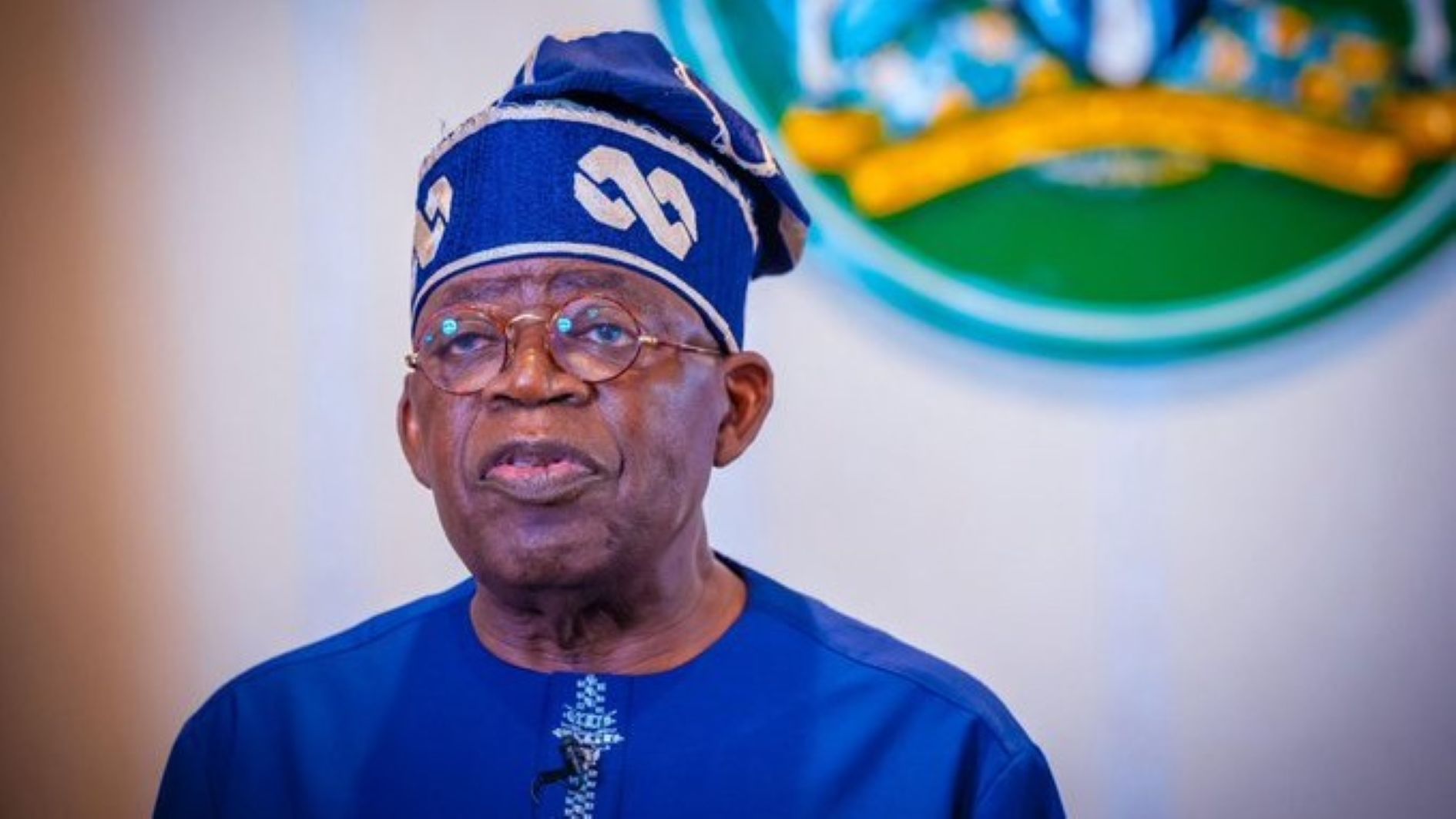
Nigerian in Diaspora, Oshoniyi, seeks speedy implementation
The South-West Security Stakeholders Group (SSSG) has urged President Bola Ahmed Tinubu to expedite action on the State Police Bill following its passage by the National Assembly, warning that delays in operationalising the reform could prolong the security challenges.
The group advised on Monday after an extraordinary meeting at Oodua House in Ikeja, Lagos, where it also urged the six South-West governors and their respective Houses of Assembly to begin preparations for the implementation of state policing.
In a separate intervention, a Nigerian in the Diaspora, Dr Femi Oshoniyi, also called for the speedy establishment of state police, describing decentralised policing as a more effective and sustainable response to Nigeria’s worsening insecurity.
Oshoniyi said that the decision by the Tinubu-led administration to pursue state police offered the country an opportunity to overhaul its security architecture and develop policing systems capable of responding more effectively to local threats.
The draft executive bill and implementation framework are scheduled for presentation to the President on September 3, while the proposed constitutional amendment requires approval by at least 24 of the 36 state Houses of Assembly.

The SSSG, in a statement by its Publicity Secretary, Ireti Adewole, said although insecurity had not reached alarming levels in the South-West in recent months, the region could not afford to become complacent.
It said communities in parts of the North and Middle Belt continued to face serious security threats, underscoring the need for a comprehensive and decentralised policing structure.
“The South-West, parts of the South-South and South-East, the North and even the Middle Belt are not yet free from disturbing criminal activities, including armed robbery, kidnapping, cultism and other forms of violence that threaten the peace and development of our communities.
“This situation calls for a united front and proactive measures from all stakeholders, government at all levels, security agencies, traditional institutions and civil society groups,” the group said.
The stakeholders, therefore, warned that further delay in implementing state police would amount to a disservice to Nigerians who continue to bear the consequences of insecurity.
They described the State Police Bill as potentially transformative to Nigeria’s security architecture because it would allow states to establish police forces capable of responding to localised security threats.
The group also called for deeper collaboration between state governments, the SSSG and other community-based security organisations, saying that such collaboration could support the development of technology-driven and community-based security strategies tailored to the peculiar security challenges of the region.
The SSSG, led by the Aare Ona Kakanfo of Yorubaland, Iba Gani Adams, comprises several community and security-oriented organisations, including the Oodua People’s Congress, among others.
Oshoniyi, who also backed the speedy implementation of state police, said decentralised policing could provide more effective security monitoring, reporting, communication and identification systems.
According to him, local police officers would be better positioned to understand their communities, identify suspicious activities and track criminals.
He, however, acknowledged that not all states might have the capacity to establish and sustain effective police forces because of weak leadership, poor accountability and limited financial resources.
He said that disparities in the capacity of states could result in uneven policing standards across the country.

