 Follow Us on Google News


 Follow Us on Google Discover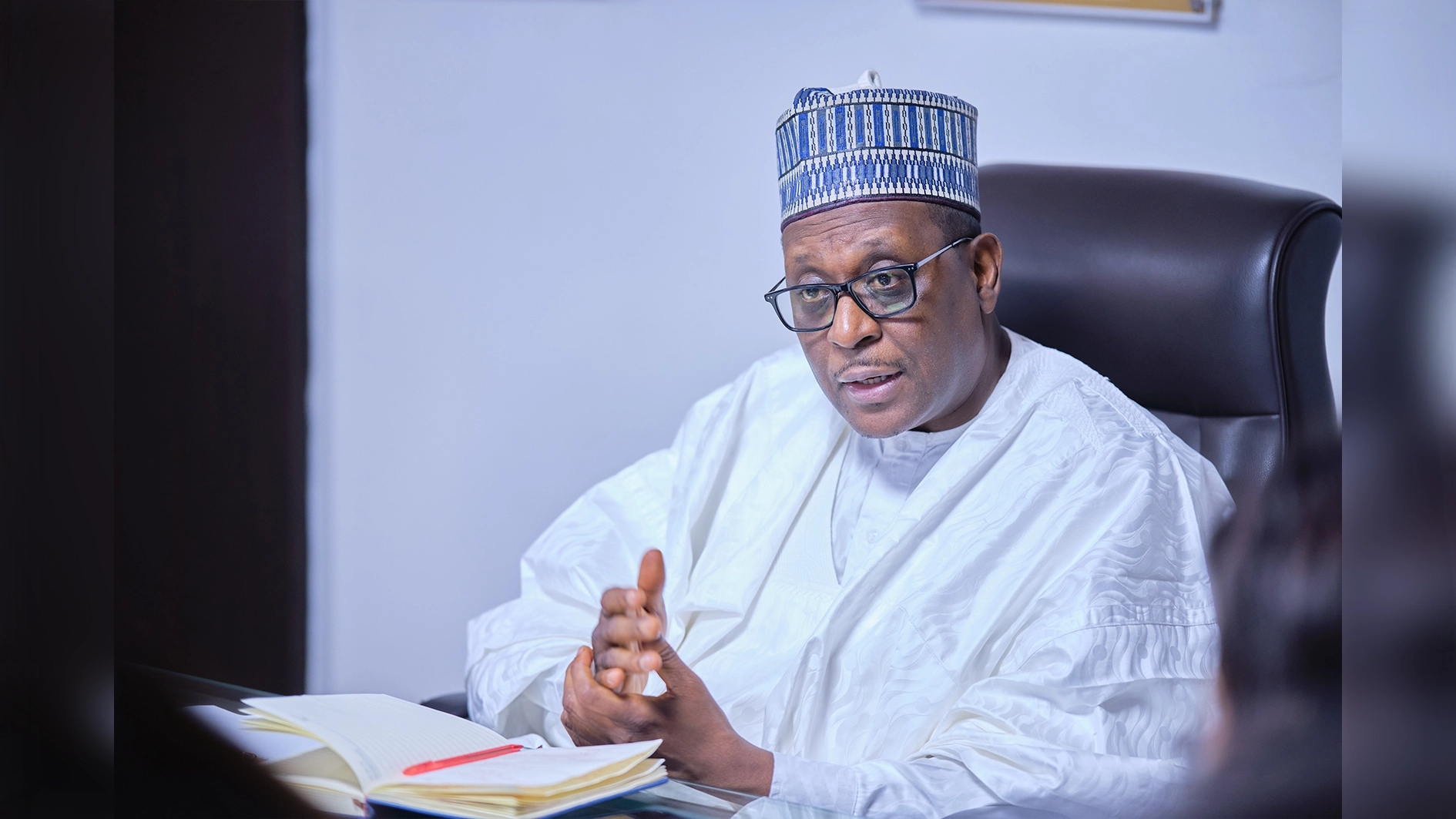
• FG lists efforts, calls for collaboration
Plans are underway at the Church of Nigeria (Anglican Communion) to raise N1 billion to establish its Health Maintenance Organisation (HMO), as part of efforts to make healthcare affordable and accessible to millions of members across the country.
Primate Henry Ndukuba, who disclosed this at the opening of the Third Church of Nigeria Health Summit yesterday in Abuja, said the decision followed a challenge during the church’s episcopal retreat, where the bishops agreed to raise the fund to advance the initiative by September 2026.
Ndukuba added that Nigerians must no longer die from preventable illnesses, demanding stronger action to make medical care accessible to all.
He explained that the proposed HMO is expected to strengthen access to healthcare, while supporting the wider objective of making medical services more accessible and affordable.
Expressing the church’s commitment to intensify efforts against avoidable deaths and expand access to quality healthcare, Ndukuba said, “Our people must no longer die of preventable causes of sickness and death, and medical help should be available to all our people.

“They must live and not die; they must live to fulfil the purpose of God and see his goodness in the land of the living.”
Consequently, he told medical professionals, dioceses and other stakeholders that the time had come to move beyond planning, stressing that “God’s purposes are accomplished when God’s people, moved by vision, move from vision to implementation; beyond resolution to measurable actions; and beyond intentions to enduring impact.”
According to him, the first two summits provided the health mission with critical gaps and developed a comprehensive Church of Nigeria Health Action Plan, while the third is designed to consolidate those gains, evaluate implementation.
And identify faster and more effective ways of achieving the objectives of the plan.
The primate said the church’s target is for every diocese to progressively become a centre of healing, preventive healthcare, compassionate service, health education and community transformation, with healthcare no longer regarded merely as a social responsibility of the church but an integral part of its Christian mission.
Meanwhile, identifying economic hardship, inflation, migration of skilled health professionals, inadequate infrastructure, poor welfare of healthcare workers, emerging diseases and rising healthcare costs as major challenges confronting the sector, he called for innovation, stronger partnerships, improved governance, professional excellence and technological solutions rather than surrender.
Meanwhile, the Executive Director of the National Primary Health Care Development Agency (NPHCDA), Dr Muyi Aina, disclosed that the federal government had, since 2023, disbursed N70.5 billion to primary healthcare centres, largely through the Basic Health Care Provision Fund, to support facility operations and health insurance for vulnerable Nigerians
He noted that the government has also revitalised 4,161 primary healthcare centres across the country as part of efforts to strengthen Nigeria’s health system, adding that about 3,275 of the PHCs had been completed, while work was ongoing on 886 others.
Aina explained that the facilities were spread across local council areas and wards nationwide, adding that the country currently has about 14,300 functioning public primary healthcare centres operating at Level One or Level Two capacity.
However, he stressed that infrastructure alone cannot guarantee quality healthcare, noting that the government had also invested in recruiting and training frontline health workers.
Consequently, over 23,000 skilled birth attendants, midwives, nurses and community health workers had been recruited or supported, while 80,000 of the 120,000 frontline workers targeted for retraining had so far been trained.
Among other efforts and mileages, he said the government was working with professional regulatory bodies, including the Nursing and Midwifery Council and the Community Health Professionals Registration Council, to digitise the training programmes and make them more accessible and affordable.
Describing the Church of Nigeria as a “critical stakeholder and strategic partner” in improving citizens’ health, Aina said the church’s extensive network of hospitals, clinics, schools, universities and health training institutions is an important platform for expanding access to healthcare.
He further called for a stronger partnership between government and religious institutions in the drive towards universal health coverage, stating that religious institutions could play a major role in restoring public confidence in the healthcare system.

