 Follow Us on Google News


 Follow Us on Google Discover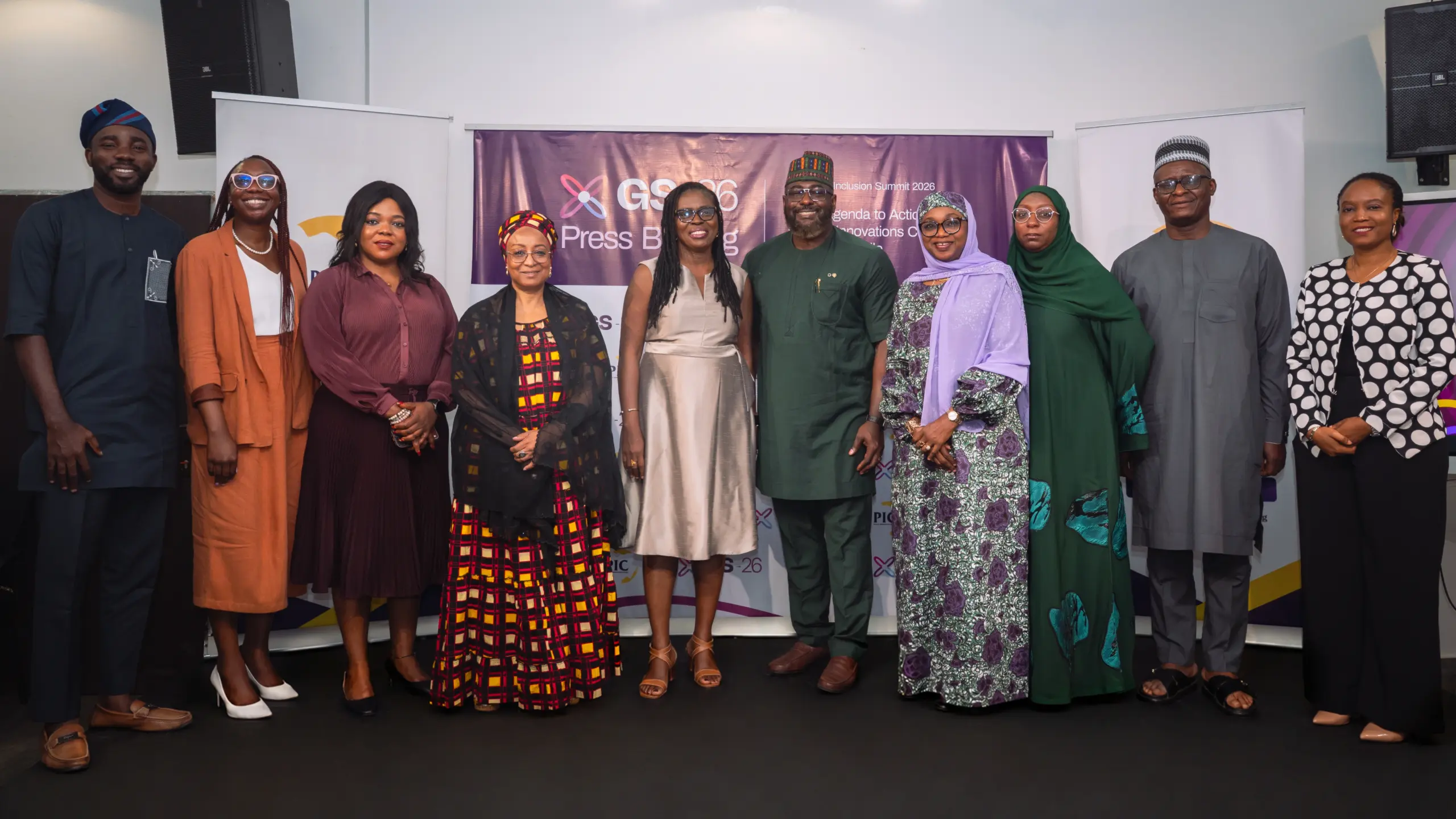
The Policy Innovation Centre (PIC) has called for stronger action to ensure that policies, innovations and commitments on gender and social inclusion translate into measurable improvements for underserved communities.
The centre made the call ahead of the fifth edition of its Gender and Inclusion Summit, GS26, scheduled for September 7 to 9, 2026, in Abuja.
The summit will be held under the theme, “From Agenda to Action: Making Innovation Count for the Last Mile”, with discussions expected to focus on how policies and solutions can move beyond commitments and reach people who face the greatest barriers to opportunity and essential services.
Opening a press briefing ahead of the event, Adekemi Omole, Associate Director, Programmes, Policy Innovation Centre, said GS26 would build on conversations held during the previous four editions of the summit while placing greater emphasis on implementation and measurable outcomes.
The centre said the focus reflects a shift from discussing inclusion primarily as a policy objective towards examining how commitments can be translated into practical results.
Maryam Uwais, MFR, a board member of the Policy Innovation Centre, said achieving meaningful progress on gender inclusion would require stronger systems, sustainable financing and approaches grounded in evidence.

She also stressed the importance of accountability mechanisms that can help translate policy intentions into outcomes for people who remain furthest from opportunity.
According to her, commitments alone are insufficient if the systems required to implement them are weak or if interventions fail to reach the communities they are designed to serve.
The summit is therefore expected to bring together stakeholders to examine the practical challenges involved in moving from policy design to implementation.
Dr Osasuyi Dirisu, Executive Director of the Policy Innovation Centre and Convener of the Gender and Inclusion Summit, said GS26 would focus on strengthening the processes through which ideas and solutions can move from development to wider implementation.
She said the summit would examine inclusive design, evidence and accountability while encouraging innovators and other stakeholders to develop practical responses to structural barriers.
“This year’s summit will focus on strengthening the pathways that carry solutions from concept to scale,” Dirisu said.
She added that the discussions would include issues affecting women, young people and persons with disabilities, particularly those living in underserved communities.
The objective, she said, was to ensure that innovation produces practical value for people at the last mile.
Dr Tayo Aduloju, Chief Executive Officer of the Nigerian Economic Summit Group (NESG), said innovations aimed at underserved communities must be capable of operating within the realities those communities face.
He called for greater collaboration among innovators, investors, businesses, philanthropic organisations and government institutions to address barriers to delivering services and opportunities to people in hard-to-reach communities.
“We need innovations that scale for the last mile, and innovations that make last-mile intervention possible,” Aduloju said.
He added that meaningful progress would depend on whether interventions could work effectively at the point where people experience gaps in access to services and opportunities.
The emphasis on scalability reflects one of the central challenges facing development interventions in Nigeria, where solutions developed at a small scale can face significant difficulties when expanded across different communities and populations.
Dr Amina Dorayi, Chairperson of the GS26 Technical Advisory Committee, said the summit’s expected impact should not be measured only by what happens during the three-day event.
She highlighted the Purple Book as an important knowledge and accountability product through which discussions, lessons and commitments from the summit are expected to be documented and converted into recommendations.
The publication is intended to provide a record of the issues raised at the summit while offering practical recommendations that stakeholders can use beyond the event.
Dorayi said this approach would help connect conversations at GS26 with subsequent policy and implementation efforts.
Representing the Ministry of Women Affairs, Hadiza Zubairu Gamawa said previous editions of the summit had contributed to wider discussions around gender and social inclusion.
She said lessons from GS25 had informed discussions within the ministry on strengthening support for families and vulnerable communities.
Gamawa also expressed interest in the potential contribution of GS26 to discussions around Nigeria’s next National Gender Policy.
She said inclusive dialogue and engagement with stakeholders would be important in shaping policy that responds to the needs of different groups across the country.
The Gender and Inclusion Summit was launched in 2022 by the Policy Innovation Centre as a platform bringing together representatives of government, business, development organisations, academia, civil society and communities.
Since its establishment, the summit has focused on gender equality, social inclusion, evidence-based policymaking, innovation and systems change.
The fifth edition will continue that focus while placing particular attention on the ability of policies and innovations to deliver measurable outcomes for communities that remain underserved.

