 Follow Us on Google News


 Follow Us on Google Discover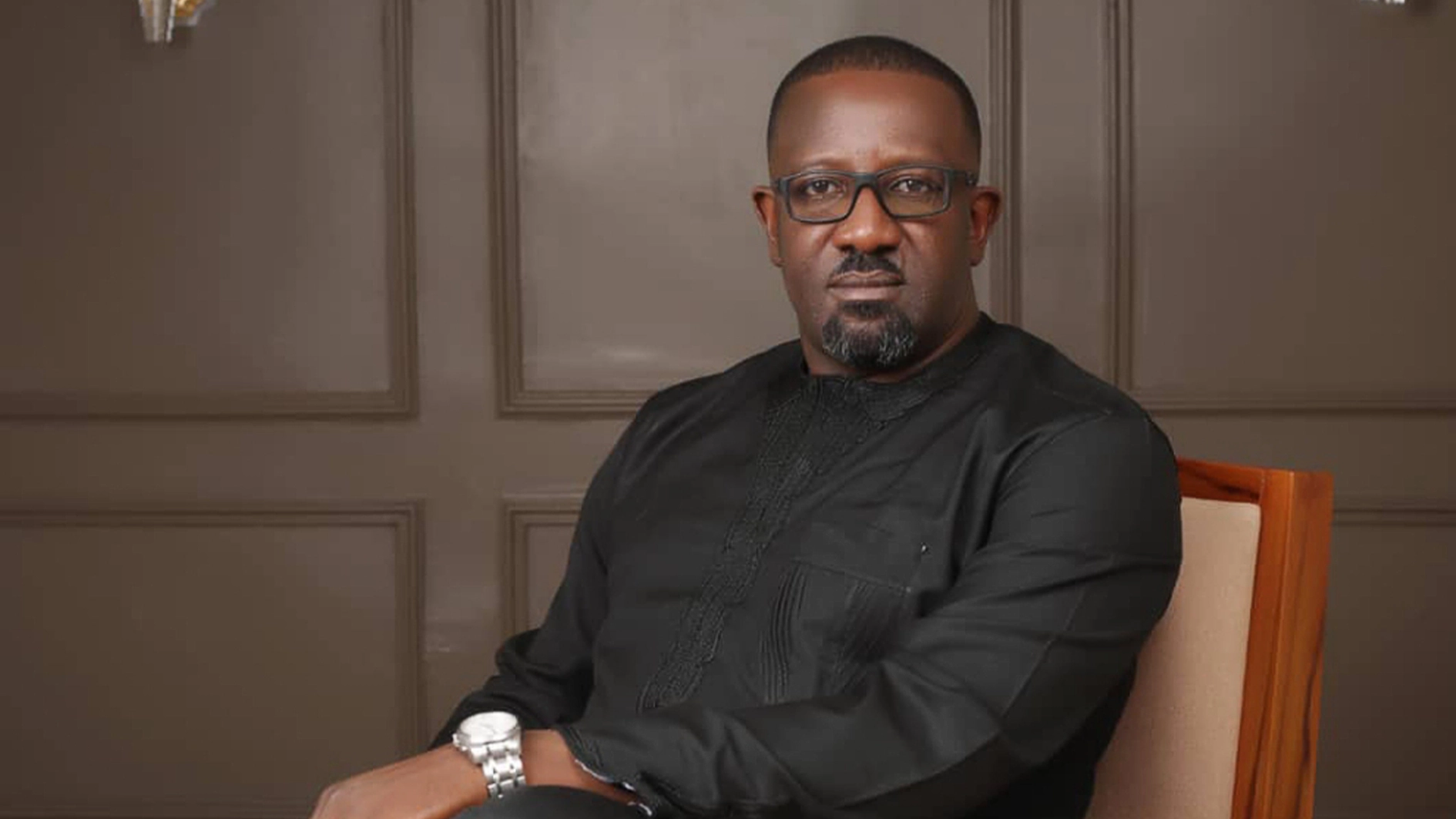
Former Southeast spokesman to President Bola Tinubu and Chairman of the Forum of Former Members of the Enugu State House of Assembly, Denge Josef Onoh, has rejected South Africa’s demand for $18.5 million in repatriation costs for Nigerian nationals, describing the bill as an “illegal levy”.
Onoh, in a statement made available to journalists in Dar es Salaam, Tanzania, said Nigeria, as a sovereign nation, could not be compelled to reimburse expenses incurred by the South African government over its immigration crackdown.
His reaction followed reports that South Africa had written to Nigeria, Malawi and Ethiopia seeking reimbursement for expenses incurred in accommodating, transporting and repatriating tens of thousands of foreign nationals amid a recent immigration crackdown and renewed anti-immigrant tensions.
The South African authorities said the costs covered transportation, temporary repatriation centres, accommodation and staff overtime, describing the expenditure as unforeseen and unavoidable.
However, Onoh said Nigeria would not pay “a single cent” of the R292 million ($18.5 million) bill.
“As an independent sovereign nation, and that Nigeria firmly rejects this illegal levy, which directly violates international law, the principles of continental solidarity, and the fundamental rights of African citizens,” Onoh said.

Rather than paying the bill, Onoh demanded what he described as “Xenophobic Property Indemnification” from South Africa, saying Nigeria would formally return Pretoria’s invoice without consideration.
He argued that the Vienna Convention on Consular Relations and the African Charter on Human and Peoples’ Rights placed responsibility for the protection and human rights of migrants on the host country.
According to him, South Africa could not “weaponise its self-induced budgetary deficits” to penalise sovereign nations for a “voluntary return” crisis that its own state institutions had failed to contain.
Onoh said the R292 million spent by South Africa’s Home Affairs Department was an internal operational cost and should not be treated as a debt owed by foreign governments.
He also accused Pretoria of ignoring the financial losses suffered by Nigerian investors and traders as a result of xenophobic attacks, looting and destruction of property.
He said the failure of the South African government to deter hostile anti-immigrant groups such as Operation Dudula had exposed African migrants to severe economic losses.
Onoh described Pretoria’s demand as “Xenophobic financial diplomatic audacity”, warning that it could further damage relations between South Africa and other African countries, including Nigeria.
He said hundreds of foreign-owned small businesses, manufacturing equipment, personal vehicles and real estate assets had been looted, vandalised or destroyed.
He added that major commercial entities and skilled African professionals were forced to abandon their homes, businesses, stock and long-term investments under threats of violence, while the South African government allegedly failed to prevent the attacks.
Onoh said Nigeria was commencing broad diplomatic consultations with the governments of Malawi and Ethiopia, as well as affected victims, to establish the extent of the losses.
He warned that, if pushed, Nigeria would submit a multi-billion-rand counter-demand to South Africa for compensation covering the value of private fortunes lost to xenophobic attacks.
Onoh also accused Pretoria of using African migrants as political scapegoats to divert attention from its domestic security and economic challenges.
He said aggressive deportation bills and the targeting of regional allies undermined the African Continental Free Trade Area (AfCFTA) framework and risked isolating South Africa from the rest of the continent.
“Continuing down this hostile path will carry direct diplomatic and economic consequences for South Africa’s regional standing,” he warned.
Onoh said if South Africa chose to reduce historical diplomacy to “transactional accounting”, Nigeria would be prepared to present its own historical invoice.
“Nigeria spent over $61 billion which does not represent a single direct cash payment. Instead, it is a cumulative estimate spanning the years 1960 to 1994 and this massive financial, military, and diplomatic fortunes over decades to bankroll the anti-apartheid liberation struggle, providing safe havens and civil resources to South Africans when they needed them most. If a refund is what Pretoria seeks, South Africa must deduct this repatriation bill from its massive, outstanding historical indebtedness to Nigeria,” Onoh said.
He said Nigeria would explore all valid international and multilateral channels to ensure that South Africa reconciled what he described as its broader historical obligations and protected remaining migrants.
Onoh added that Nigeria could also demand payment of the remaining balance of the “multi-billion dollar liberation debt” he said South Africa owed the Nigerian people if Pretoria continued with what he described as “xenophobic diplomatic tactics”.

