 Follow Us on Google News
 Follow Us on Google Discover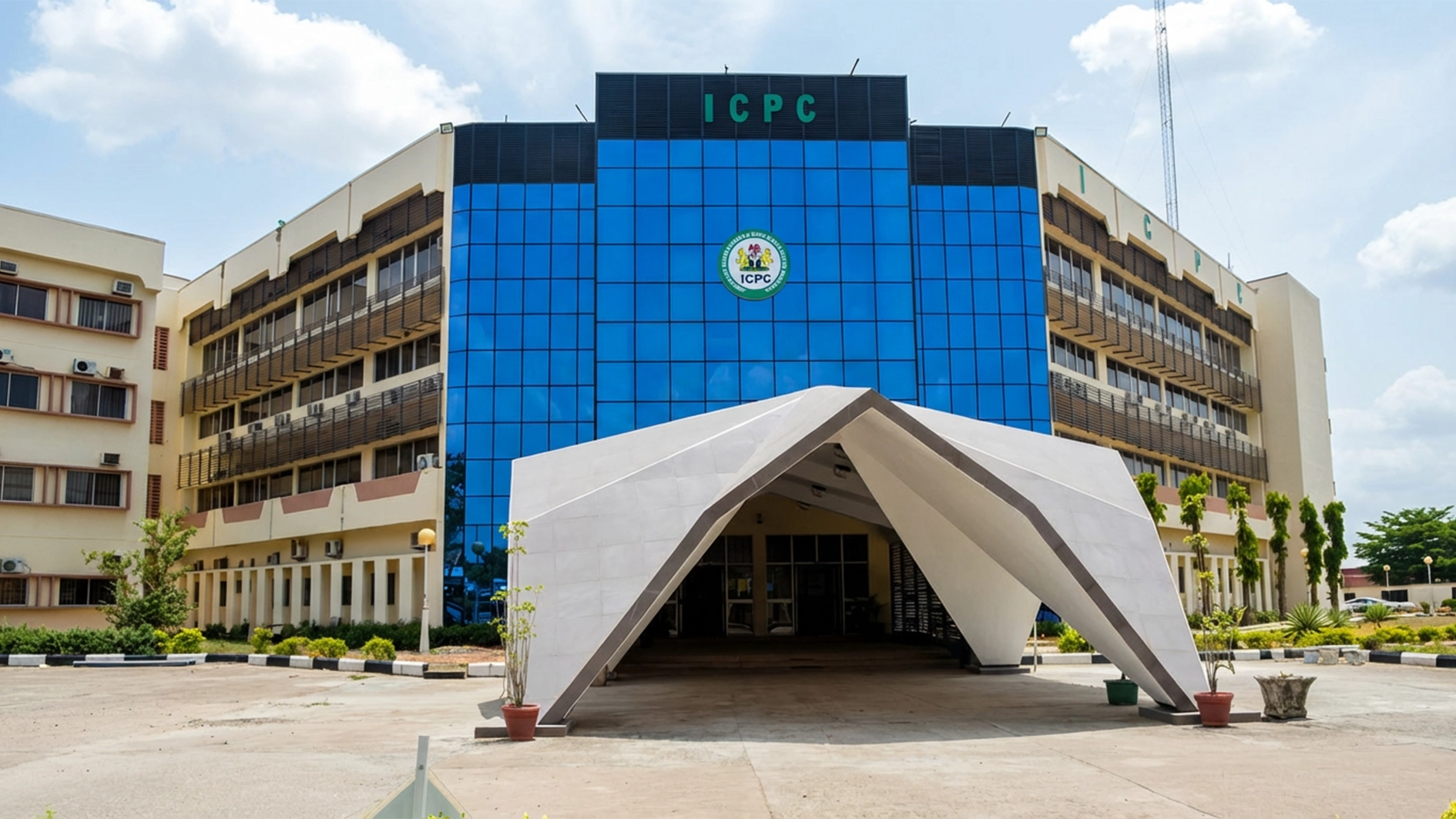
The Independent Corrupt Practices and Other Related Offences Commission (ICPC) is facing growing pressure to identify and prosecute government officials and beneficiaries allegedly behind the creation of 908 suspected ghost workers uncovered across federal Ministries, Departments and Agencies (MDAs).
The demand follows the final forfeiture of N941,994,079.86 linked to suspected fraud involving the Integrated Payroll and Personnel Information System (IPPIS).
The Federal High Court sitting in Abuja recently ordered the permanent forfeiture of the funds to the Federal Government after the ICPC traced the money to accounts allegedly connected to the payroll scheme.
Justice Binta Nyako, in the ruling, ordered the transfer of ownership of the recovered funds to the Federal Government.
“That an order is hereby made for the final forfeiture to the Federal Republic of Nigeria the sum of N941,994,079.86 seized during investigation into the IPPIS Payroll scam in the year 2024,” the court held.
According to the Commission, its investigation uncovered fictitious IPPIS identities created for non-existent personnel, with salaries paid over extended periods into accounts belonging to individuals and companies.
The ICPC said in some instances, the names on the accounts did not correspond with those of the supposed workers, while some accounts received multiple salary payments.
In one case, according to the Commission, an official allegedly placed his wife, son and mother-in-law on the government payroll while also collecting salaries meant for 12 other fictitious workers.
ICPC Chairman, Musa Aliyu, also disclosed that investigators uncovered cases in which senior public officials allegedly inserted relatives and associates into government payrolls despite them not being legitimate public servants.
The ICPC said 467 bank accounts remained linked to unverified individuals when it commenced forfeiture proceedings, with the account holders yet to be identified. The N941.9 million recovered was frozen in the accounts.
The recovery has renewed calls for the investigation to move beyond the deletion of fictitious names and recovery of funds to the identification of those who created, authorised and benefited from the alleged payroll fraud.
The disclosure has also strengthened concerns over possible insider involvement in the manipulation of government payroll systems.
Lawyer Bayo Akinlade has called for the prosecution of officials involved in processing payments to suspected ghost workers, saying those responsible must answer for the alleged embezzlement, mismanagement and diversion of public funds.
Akinlade urged the Economic and Financial Crimes Commission (EFCC) and the ICPC to secure at least one conviction in the ghost-workers cases, arguing that a successful prosecution would serve as a deterrent.
He, however, warned that the practice could persist unless accountability reaches senior levels of the public service, describing corruption as deeply entrenched in Nigeria’s system.
The accounts are expected to form part of the Commission’s continuing investigation as it works to establish their beneficial owners, the movement of funds and possible links between account holders and officials responsible for payroll processing.
The investigation could also determine whether payroll officers, personnel officials, approving authorities, beneficiaries and intermediaries were involved in the alleged scheme.
The suspected ghost workers, according to ICPC, were identified across several major government institutions.
The Nigeria Police Force recorded the highest number, with 570 suspected ghost workers, followed by the National Water Resources Authority with 80 and the Federal Ministry of Works with 56.
The Ministries of Foreign Affairs and Defence recorded 24 and 19 respectively, while other affected institutions included Power, Industry, Trade and Investment, Health and the Office of the Head of the Civil Service of the Federation.
The Office of the Accountant-General of the Federation and the Ministry of Interior were also affected, with investigations continuing.
The spread of the suspected cases across multiple MDAs has heightened concerns over vulnerabilities within government payroll systems and the possibility of similar methods being used in different institutions.
The ICPC investigation was reportedly triggered by irregularities detected in pension payments, raising the possibility that the suspected payroll manipulation could have implications beyond monthly salaries.
The introduction of fictitious personnel into payroll systems can generate related deductions and payments, potentially creating additional channels for diversion of public funds.
The development has also renewed attention on alleged ghost-worker and pension fraud at the state level.
In Osun State, a forensic audit commissioned by the state government was reported to have identified 8,452 alleged ghost workers and an annual payroll discrepancy of about N13.7 billion. The Osun government rejected the allegation and disputed aspects of the audit findings. The figures and allegations therefore remain contested and subject to further verification.
Anti-corruption campaigners have consistently called for investigations into the officials responsible for creating and maintaining ghost-worker records, arguing that deleting names from payrolls without prosecuting those behind the entries does little to deter future fraud.
The latest ICPC recovery has similarly increased expectations that the investigation will trace the funds to their ultimate beneficiaries and establish the officials who authorised the fictitious records.
The development also highlights the limits of digital payroll systems as a standalone anti-corruption measure. Despite the introduction of IPPIS and other verification mechanisms to eliminate payroll leakages, the discovery of hundreds of suspected fictitious workers indicates that authorised access to government systems remains a potential avenue for manipulation.
The ICPC is expected to continue its investigation into the unresolved accounts and establish the individuals and officials linked to the suspected payroll fraud.
For the anti-corruption agency, the recovery of N941.9 million represents a significant financial outcome. However, for Nigerians, the identification and prosecution of those responsible for creating and sustaining the alleged ghost-worker network would provide a stronger accountability test.

