 Follow Us on Google News
 Follow Us on Google Discover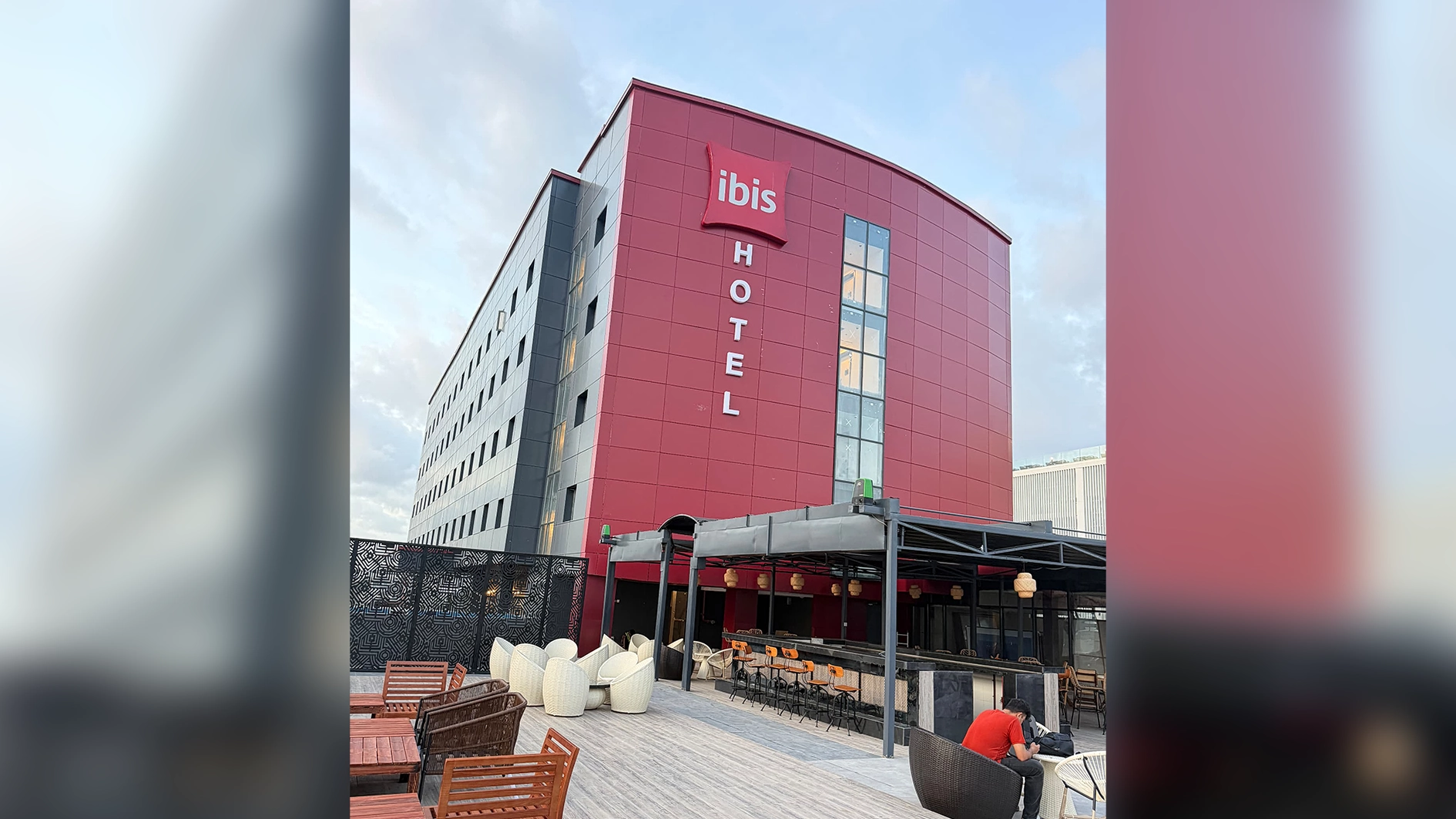
The Group Chairman and Chief Executive Officer of HDV Nigeria Limited, owners of Ibis hotels in Nigeria, Olufemi Okenla, has called for a review of project financing practices by Nigerian banks, saying delays in loan disbursement and harsh repayment obligations are raising the cost of private investments.
He disclosed that it took a bank eight months before rejecting a loan request it had earlier indicated interest in approving.
Okenla spoke at the commissioning of the 120-room Ibis Hotel Lekki in Lagos at the weekend. HDV signed a memorandum of understanding with Accor in 2008 to develop 10 mid-scale hotels in Nigeria over 15 years.
Okenla said standard project financing practice should allow developers to begin loan repayment after a project starts generating cash flow. That, he said, is not the case in Nigeria, where lenders demand repayment before projects are completed.
He said HDV had paid billions of naira in financing costs before the opening of the Lekki hotel.
“The amount we have paid in project financing before even this commissioning runs into billions for the little money we took from them,” Okenla said.
He disclosed that a commercial bank took eight months to reject a financing request it had initially indicated would be approved, while another delayed the release of an already-approved second tranche of a loan by nine months.
According to him, the naira’s depreciation from about N460 to the dollar to around N1,500 between 2023 and 2025 also significantly increased the project’s financing burden.
He said N1.5 billion set aside while awaiting a favourable exchange rate, which was expected to be worth about $3 million, was worth only about $1 million when the funds were eventually drawn down, resulting in a loss of about $2 million in dollar terms.
Okenla urged the Lagos State Government and banks to work with private investors to develop a project financing framework that ties loan repayment to a project’s cash flow rather than fixed repayment schedules.
Also speaking, the Lagos State Governor, Babajide Sanwo-Olu, represented by the Secretary to the State Government, Bimbola Salu-Hundeyin, said the hospitality industry should be viewed as part of the state’s economic infrastructure because of its contribution to business travel, conferences and commercial activities.
She said the Lekki axis had become an important economic corridor, with the Lekki Deep Sea Port, Lekki Free Trade Zone and growing clusters of corporate and technology businesses.
Salu-Hundeyin urged the hotel to patronise local suppliers and invest in skills development for young Lagos residents, adding that the government would continue to attract private investment into the state.
Okenla attributed the shortfall to funding and infrastructure challenges, rather than weak demand.
He said while Ibis Ikeja was completed in 36 months, the Lekki project took four years and eight months from the acquisition of the land in March 2020, when the COVID-19 lockdown began, to completion.
He attributed the delay to currency depreciation, financing bottlenecks, shortage of skilled artisans, theft of construction materials and personal bereavements during the period.

