 Follow Us on Google News


 Follow Us on Google Discover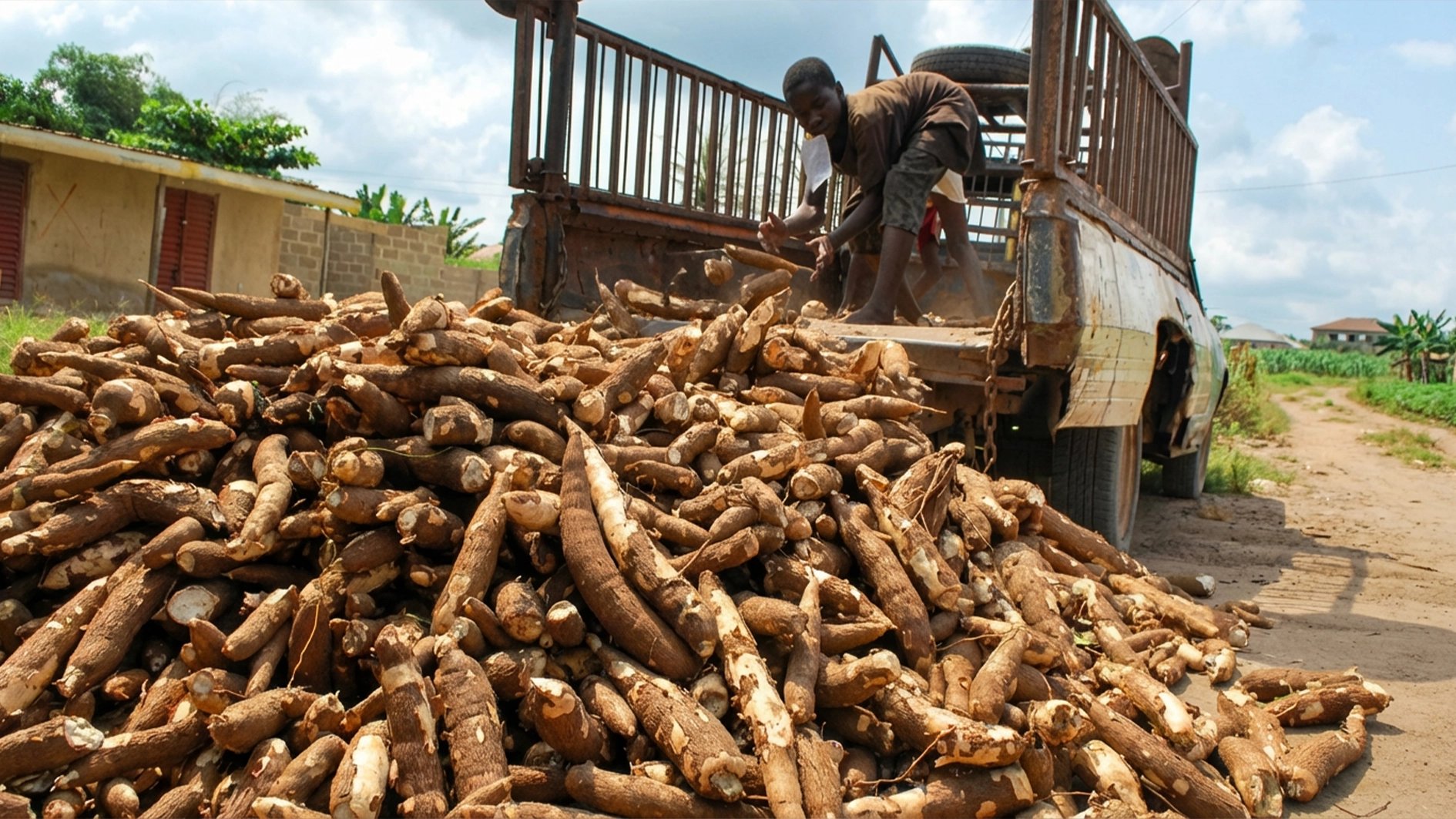
Weak investment readiness has been cited as a major constraint for cassava processors inability to access the capital needed to build or scale their businesses.
This revelation was contained in the latest report of the Nigeria Cassava Investment Accelerator (NCIA), an initiative of the Lagos Business School Pan-Atlantic University, which added that the readiness gap tends to surface in four recurring areas – market feasibility; commercial feasibility; operational feasibility; and financial health, often set against incomplete business plans and unaudited accounts.
Titled: ‘Demonstrating Investment Readiness: A Practical Guide for Cassava Operators,’ NCIA says the first step is establishing a viable market opportunity, anchored in verifiable evidence on market size, growth, substitutes and product competitiveness.
“This analysis should be undertaken at the derivative level, as high quality cassava flour (HQCF), starch, ethanol and other cassava products each have distinct buyers, pricing dynamics and commercial economics.
Competitiveness against substitutes must be shown on price and quality together.
“NCIA engagements with offtakers suggest price alone rarely wins the switch; what converts a buyer is consistent quality, demonstrated by securing the offtaker’s specifications and validating the product through trials.”
On commercial feasibility, the report disclosed that two of the most common constraints to closing cassava deals sit on the commercial side: unsecured demand and unreliable feedstock. “On demand, funders look for commercial commitments covering a substantial share of output.

According to learnings from engagements with equity investors and lenders, “commitments above 60 per cent of planned production, with defined volumes, specifications and terms, give confidence that projected revenue rests on identifiable customers, while a single buyer accounting for more than 30 per cent to 40 per cent of sales leaves the business materially exposed if that relationship is delayed or lost.
“On the supply side, feedstock reliability is key as cassava has high perishability (48-72 hours post-harvest, FAO). Thus, commercial lenders place significant weight on structured sourcing, typically expecting a processor to produce around 40 per cent of its own feedstock, with the balance secured through outgrowers or aggregators rather than the spot market.”
NCIA revealed that for operational feasibility, funders discount a processor that cannot demonstrate capability to execute. The report noted that a credible operating model has its critical technical functions already in place, staffed by experienced production, quality, maintenance and feedstock personnel with demonstrated cassava expertise.
“Product scope also informs how funders read the operational risk: greenfield projects, which they approach more cautiously, are better served launching with one or two core derivatives before expanding into more technically complex lines. Consistent quality must be underwritten by proper standardisation, permits secured or well advanced, and standards such as Standards Organisation of Nigeria (SON), National Agency for Food and Drug Administration and Control (NAFDAC),Hazard Analysis Critical Control Point (HACCP) and ISO 22000, where relevant, embedded through documented quality systems, testing protocols and standard operating procedures.”
NCIA noted that the final barrier – financial credibility, is where readiness gaps show most plainly: many processors approach funders without audited financial statements or the records needed to assess performance.
“Demonstrating readiness starts with providing credible financial documents including financial models, before focusing on attractive returns.
NCIA engagements with development finance institutions also reveal that meaningful sponsor equity is important, as it signals commitment and cushions early setbacks. “Where a greenfield project has no historical performance to show, projections should be evidenced through feasibility studies, supplier quotations, pilot results and comparable operating benchmarks.”
The report hinted that investment readiness is the financing barrier that sits within a processor’s control and closing that gap is achievable. It added that the evidence across the four areas comes together in a single instrument: a credible, evidence-backed business plan that shows the market can absorb the output, that demand and feedstock are secured, that operations can deliver, and that the economics hold.
“Processors who demonstrate this level of readiness are better placed to meet investor expectations and secure the capital they need to grow.”

