 Follow Us on Google News


 Follow Us on Google Discover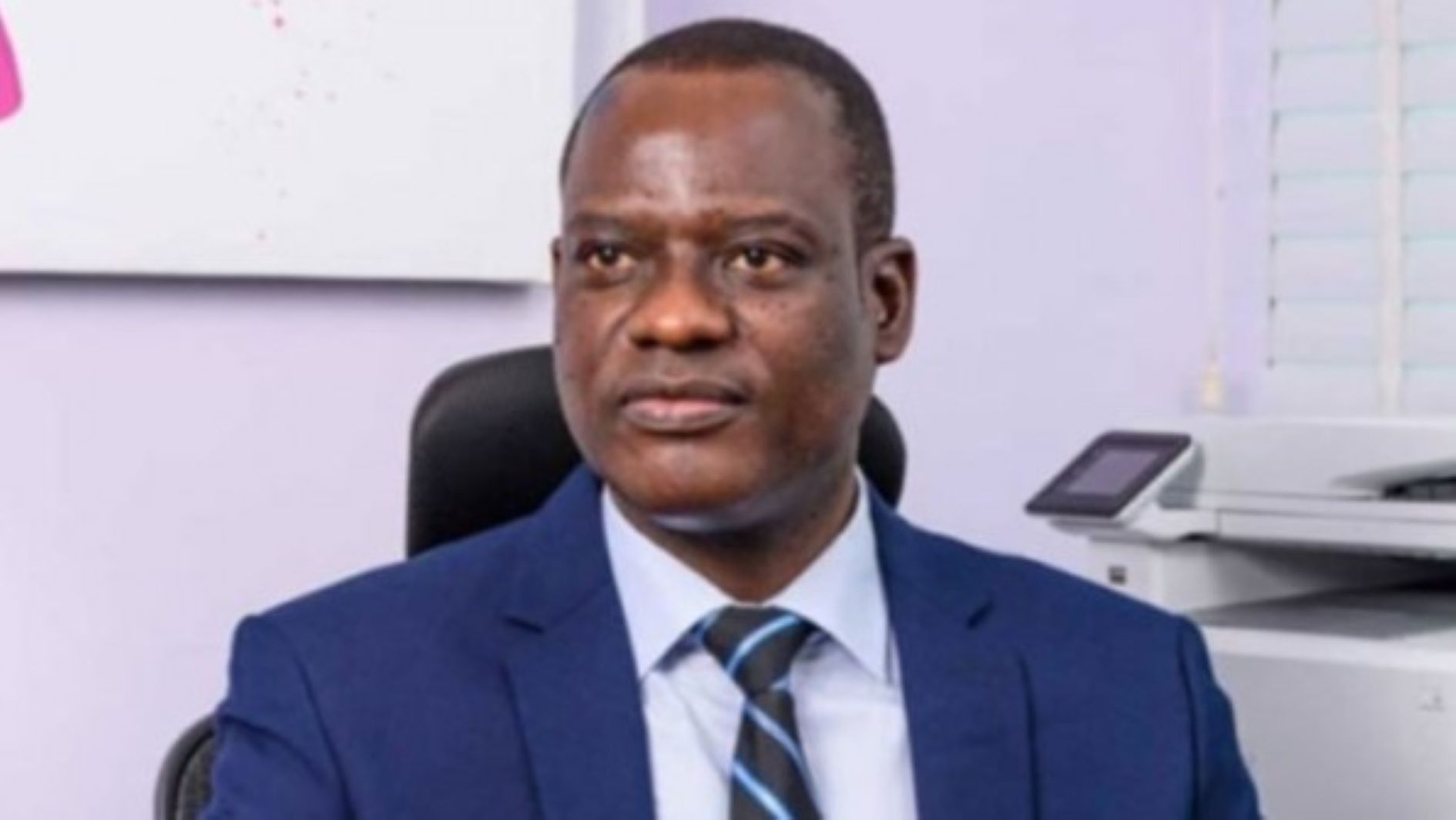
• Says states no longer struggle to pay salaries
Minister of Finance and Coordinating Minister of the Economy, Taiwo Oyedele, has called for greater fiscal responsibility, accountability and cooperation among Nigeria’s three tiers of government to achieve sustainable economic growth.
Oyedele made the call yesterday in Owerri at the 2026 National Council on Finance and Economic Development (NACOFED) Retreat, with the theme: ‘Strengthening Fiscal Federalism for Equity, Sustainable Development and Economic Resilience in a Volatile Global Economy’.
Oyedele disclosed that the Federation Account Allocation Committee (FAAC) distributed N2.8 trillion to the Federal, State and Local Governments in June 2026.
He, however, cautioned that increased revenues must translate into improved infrastructure, human capital development, productivity and public services, urging state governments to strengthen their internally generated revenue, attract investments and create jobs rather than rely heavily on federal allocations.
The minister also advocated prudent borrowing and greater transparency in public finance, warning governments against accumulating liabilities without credible repayment plans.

According to Oyedele, no Nigerian state is currently struggling to pay salaries, attributing the improvement to ongoing fiscal reforms and better federation accounts management.
He thanked Governor Uzodimma for hosting the retreat, saying “Imo, described as the heartland of the nation, is a fitting venue because decisions taken here determine economic growth across the country’s 774 local government areas.”
Referencing the removal of fuel subsidy, the minister said none of the choices made by the Federal Government were for popularity, and that many previous options were no longer sustainable.
For the first time in a generation, he noted, no state is struggling to meet salary obligations.
Oyedele said the size of allocations announced at Federal Account Allocation Committee meetings is not the true test of federalism.
He said coordination between Abuja and the 36 state capitals was only half of fiscal federalism. The harder part, he added, is equity among the units of the federation themselves.
He also asked whether enough is being done to reward states that grow their Internally Generated Revenue, IGR, rather than rely only on monthly allocations from the centre.
Also speaking, Imo State Governor, Hope Uzodimma, represented by his Deputy, Chinyere Ekomaru, called for stronger fiscal federalism, improved revenue generation and economic diversification to strengthen the country’s resilience to economic shocks.
Uzodimma said states must be empowered to generate more revenue and efficiently manage available resources, stressing that continued dependence on oil revenue was no longer sustainable.
The governor thanked the Federal Government and the organisers for choosing Imo as host, describing the theme of the retreat as timely in view of growing economic pressures globally.
He said his administration was working to make “shared prosperity” a reality through its 3R agenda, adding that the state had digitised revenue collection, blocked leakages and increased its internally generated revenue.
Ekomaru dedicated the gathering to the late Emmanuel Iwuanyanwu and expressed appreciation to President Bola Ahmed Tinubu for what he called “visionary leadership that is repositioning our economy.”
Earlier, the Permanent Secretary, Special Duties, Federal Ministry of Finance, Mr Mohammed Sanusi, described the 2026 NACOFED Retreat as timely, saying it came at a critical period when Nigeria was implementing major economic reforms to strengthen macroeconomic stability and promote sustainable development.
Sanusi, in his welcome address, said the retreat provided an important platform for policymakers and stakeholders to deliberate on issues affecting the nation’s economy.

