 Follow Us on Google News
 Follow Us on Google Discover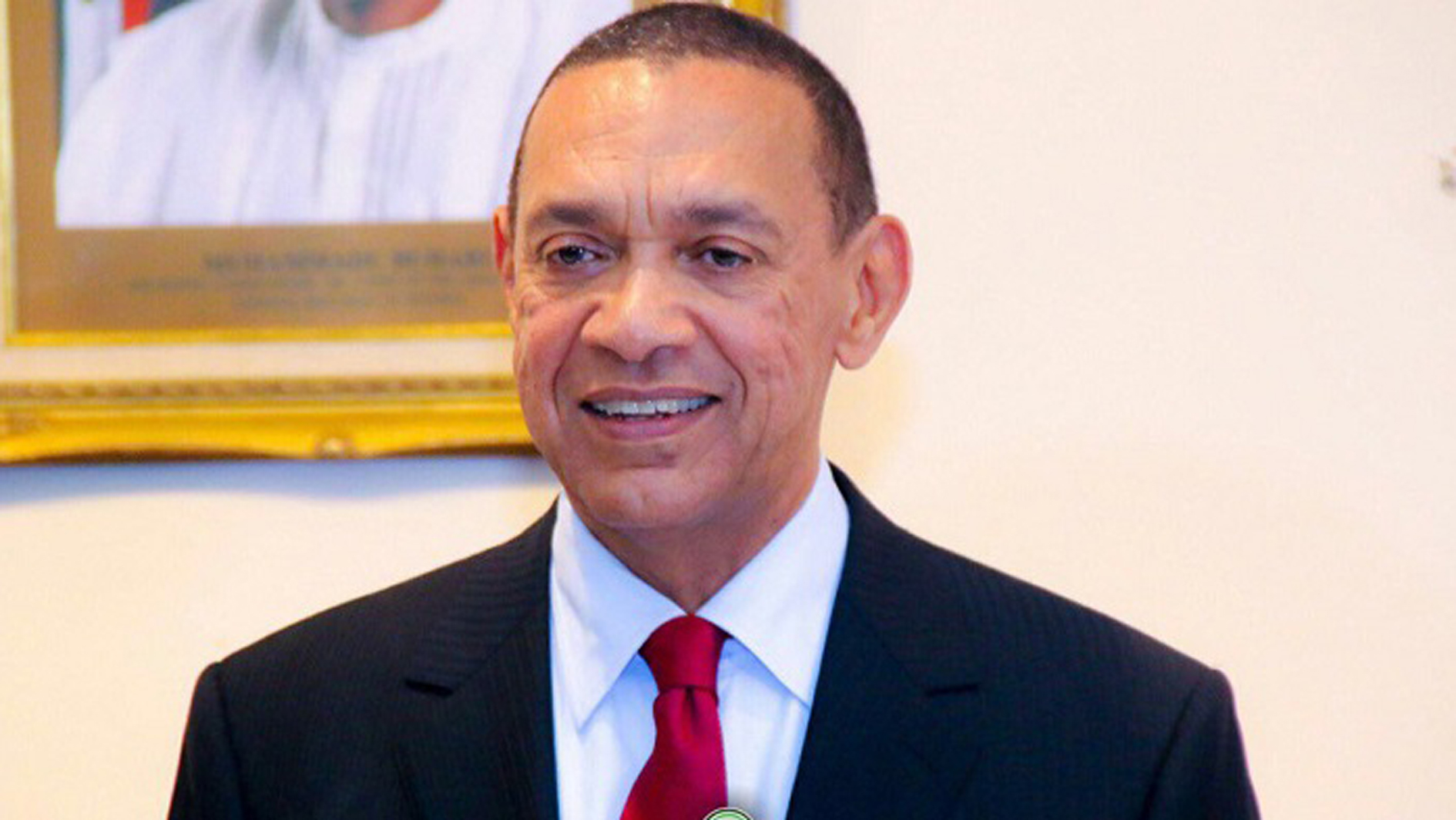
Former Bayelsa East Senator, Ben Murray-Bruce, has called on President Bola Tinubu to bring more bold, unconventional and results-driven Nigerians into his administration, saying the country needs officials willing to challenge entrenched interests and break the paralysis that has slowed reforms.
Murray-Bruce made the call in a post on X, @benmurraybruce, while declaring that genuine support for the Tinubu administration should not amount to sycophancy.
He said supporters of the President must be willing to tell him uncomfortable truths, particularly on issues that those around him might be “too comfortable, or too afraid, to say.”
“Mr President, Nigeria needs more ‘mad men’ in your government,” Murray-Bruce wrote.
Explaining the expression, he said he was referring to men and women bold enough to confront broken systems, step on powerful toes, challenge entrenched interests and reject mediocrity simply because it had become the norm.
According to him, Nigeria needs public officials who wake up every morning “obsessed with results” and are willing to become unpopular in Abuja if that is the price of delivering meaningful change to the country.

Murray-Bruce cited Central Bank of Nigeria Governor, Olayemi Cardoso, and the National Security Adviser, Mallam Nuhu Ribadu, as examples of the type of officials he believes Tinubu needs more of in government.
He acknowledged that there could be disagreements over specific policies of the Central Bank, but said the institution had undergone a significant reset under Cardoso, with greater emphasis on discipline, credibility and orthodox monetary management.
“That is one ‘mad man’,” he said.
On Ribadu, Murray-Bruce said Nigeria still faced serious security challenges, but noted what he described as a greater sense of coordination, seriousness and strategic direction within the national security architecture.
“Ribadu has demonstrated a willingness to confront difficult problems and take responsibility. That is another ‘mad man’,” he said.
He, however, argued that two such officials were insufficient for a country of more than 200 million people.
“Mr President, two mad men are not enough for a country of more than 200 million people. Nigeria needs more,” he said.
Murray-Bruce particularly urged the President to find such people for the petroleum sector, arguing that Nigeria could no longer afford to behave “like a poor country sitting on the assets of a rich one.”
He noted that despite Nigeria’s crude oil reserves, decades of petroleum expertise and huge investments in refineries, the country had for years exported crude oil while importing refined petroleum products.
“That is economic madness of the wrong kind,” he said, urging the administration to embrace what he called “madness of the right kind”, a productive, results-driven approach that refuses to accept failure as inevitable.
Murray-Bruce called on Tinubu to make the rehabilitation and commercially viable operation of the Port Harcourt, Warri and Kaduna refineries a national priority.
He said Nigerians had heard enough about turnaround maintenance, contractors, technical reviews, committees, deadlines and billions of naira expended on the facilities.
“What Nigerians want to see is simple: products coming out of the refineries,” he said.
He urged the Federal Government to consider bringing in world-class technical partners, mobilising private capital, restructuring the facilities or concessioning them if those options would produce better results.
“But whatever model is adopted, the objective must be brutally simple: Make the refineries work,” he said.
Murray-Bruce pointed to the Dangote Refinery as evidence of what could be achieved through large-scale refining investment in Nigeria, noting its 650,000 barrels-per-day nameplate capacity.
He challenged the Federal Government to set an ambitious production target for the three government-owned refineries, proposing that they collectively aim for at least 50 per cent of Dangote Refinery’s nameplate capacity, about 325,000 barrels per day of reliable, commercially viable throughput, and then exceed it.
According to him, Nigeria’s ambition should go beyond satisfying domestic demand to making the country a major refining hub and exporter of petroleum products to the rest of Africa.
On crude oil production, Murray-Bruce also challenged the administration to appoint an official capable of driving Nigeria towards its ambition of four million barrels per day by 2030.
“Find the ‘mad man’ who will deliver it,” he said.
He argued that such an official should regard production levels of about 1.5 million barrels per day as unacceptable when the national target is four million barrels per day.
He said the official must be prepared to ask difficult questions daily about underperforming assets, production shortfalls, responsibility and the obstacles preventing the country from meeting its targets.
Murray-Bruce said Nigeria did not lack plans, policies, committees, experts or reports, but had for too long lacked “the institutional audacity” to pursue results relentlessly and hold people accountable when targets were missed.
He urged Tinubu to surround himself with officials who would not be afraid to tell him uncomfortable truths, challenge the status quo and measure their performance by outcomes rather than proximity to power.
“Give them clear targets. Give them the authority to deliver. Give them deadlines. And hold them accountable,” he said.
Murray-Bruce added that Nigeria did not need officials who would tell the President that everything was working when the evidence suggested otherwise.
“It needs people who will say: This is broken. This must change. Here is how we will fix it. And this is when you should expect results,” he said.
“That is the kind of madness that can move a country forward. And, Mr President, Nigeria needs much more of it.”

