 Follow Us on Google News
 Follow Us on Google Discover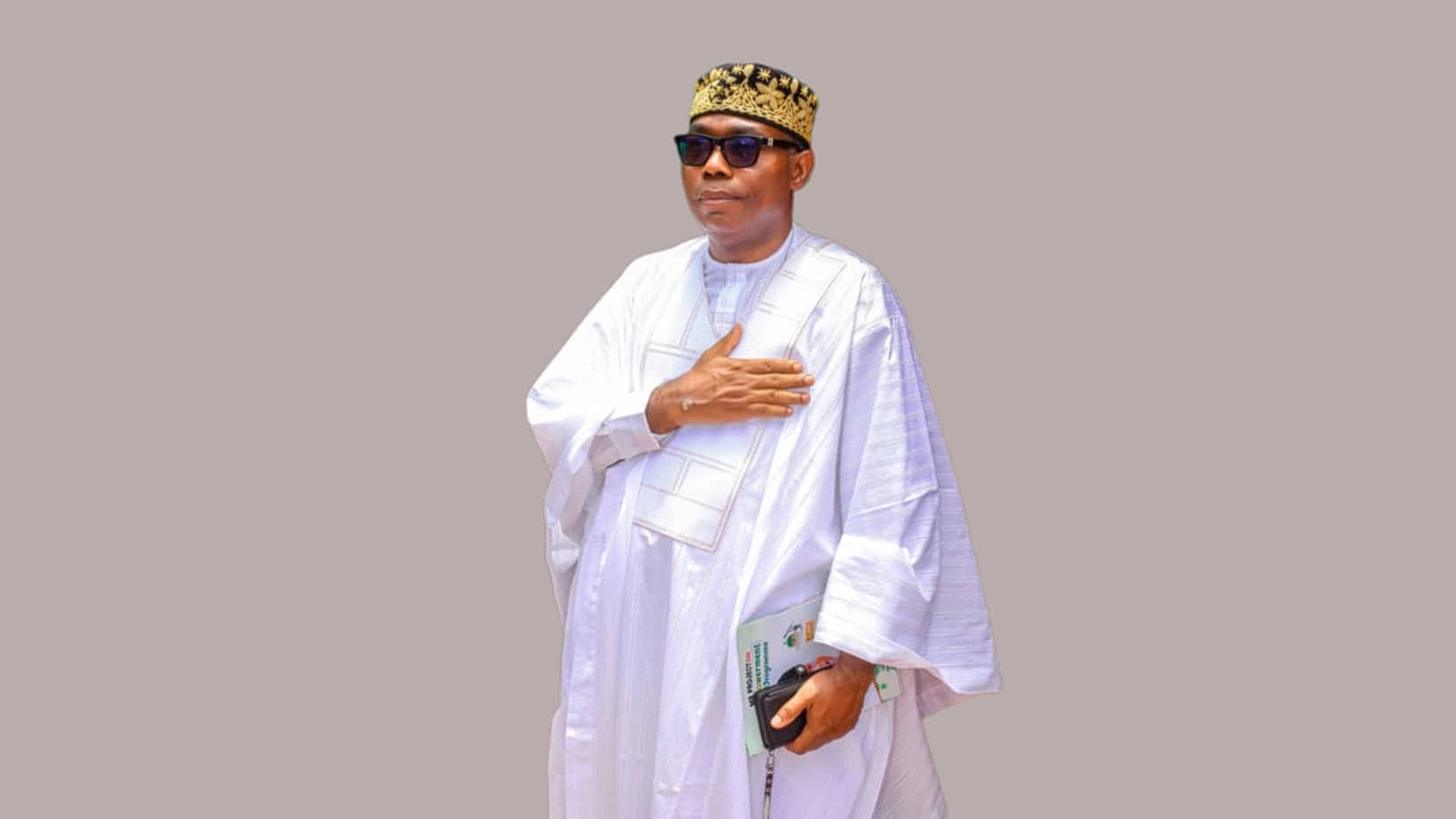
The presidential candidate of the Social Democratic Party (SDP), Prince Adewole Adebayo, has unveiled a governance blueprint for his proposed 2027–2031 administration, with emphasis on measurable results, accountability and improved welfare for Nigerians.
Adebayo, in a policy document titled Farewell to Poverty and Insecurity, proposed a governance model that would assess government performance based on tangible improvements in the lives of citizens rather than the number of programmes announced or funded.
The SDP candidate said the approach was designed to address what he described as a political culture that often places greater emphasis on ambition and promises than measurable outcomes.
A key component of the blueprint is the proposed use of Chapter II of the Nigerian Constitution, containing the Fundamental Objectives and Directive Principles of State Policy, as an operational framework for government.
Rather than treating the provisions as merely aspirational, Adebayo proposed using them as benchmarks against which government programmes and policies would be assessed.
His proposed governance framework combines constitutionalism, social democracy, the Basic Needs Approach, cooperative federalism and strategic partnership with the private sector.
Under the model, government performance would be measured through improvements in critical areas including security, food, healthcare, education, housing, employment, water, energy, transportation, justice and digital access.
Adebayo also proposed a results-based accountability system that would require Ministries, Departments and Agencies (MDAs) to identify the constitutional objectives their programmes are designed to achieve and report measurable outcomes.
Programmes that fail to deliver, according to the blueprint, would be subject to redesign, correction or discontinuation rather than continued funding without evidence of results.
The SDP candidate also proposed greater transparency in government spending through quarterly expenditure briefs, open procurement processes and publicly accessible project-performance data.
He said the measures would enable citizens and civil society organisations to monitor government expenditure and assess the performance of public projects.
Adebayo further proposed the establishment of a Presidential Delivery and Performance Office to monitor flagship programmes, address bureaucratic bottlenecks and enforce implementation deadlines.
Within the first 100 days of his proposed administration, he plans to conduct baseline audits covering security, power, food, health, education and infrastructure.
He also proposed a Presidential Delivery Dashboard to enable Nigerians to track the performance of government programmes.
Adebayo said his approach would redefine how government success is measured, arguing that announcing or funding a programme should not, on its own, be regarded as achievement.
He said: “Government should no longer earn credit simply for announcing or funding a programme.”
According to him, delivery must ultimately be determined by whether an intervention produces a measurable and verifiable improvement in the condition it was designed to address.
Adebayo said the proposed governance model was intended to place the security and welfare of ordinary Nigerians at the centre of government.
He said: “Delivery means only one thing — a measurable, verifiable improvement in the very condition the programme was created to fix.”

