 Follow Us on Google News
 Follow Us on Google Discover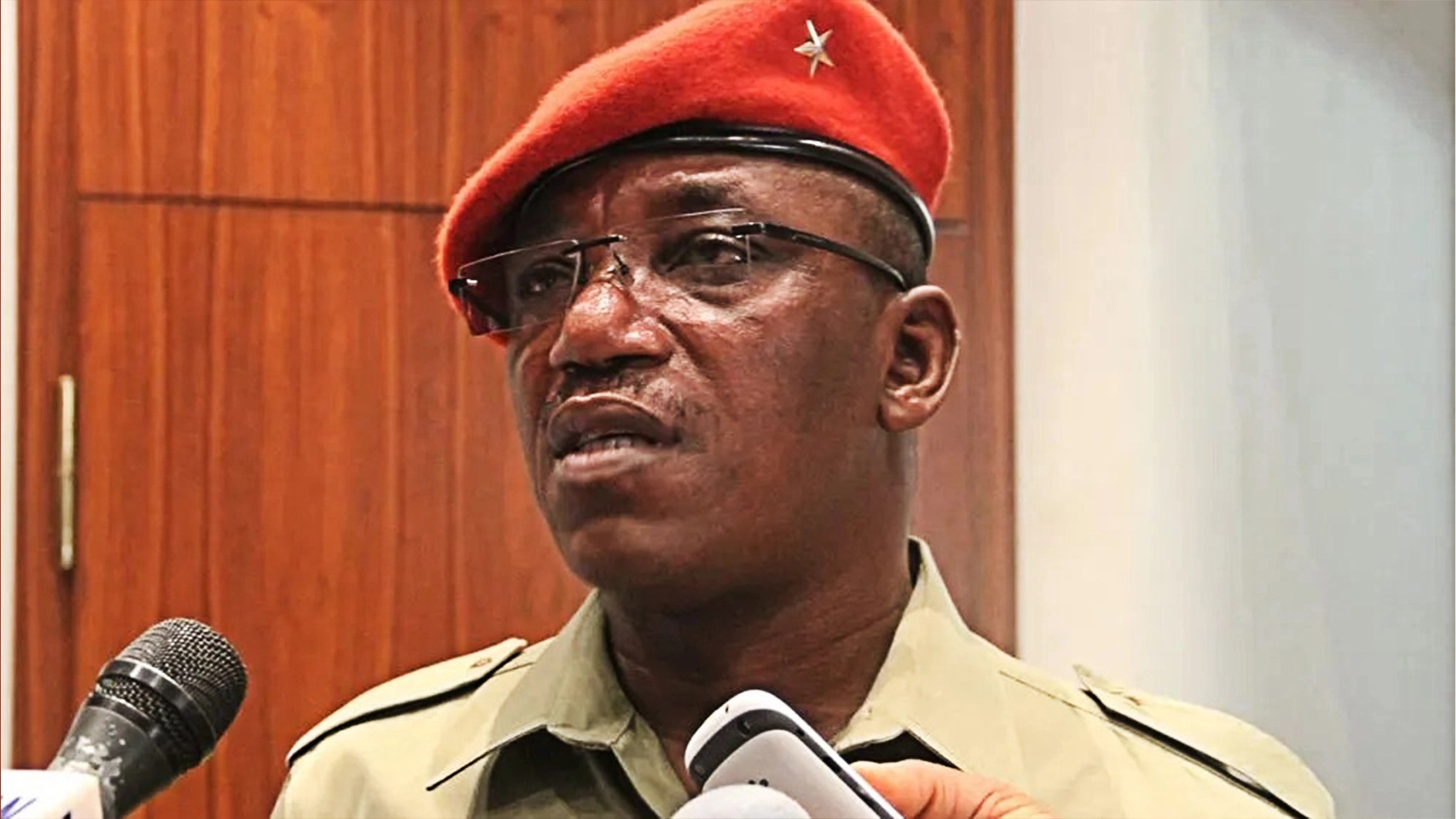
Former Minister of Youth and Sports, Solomon Dalung, has criticised Minister of the Federal Capital Territory, Nyesom Wike, over his comment that President Bola Ahmed Tinubu could have helped the All Progressives Congress (APC) win the Osun governorship election “at all costs” if he had wanted to.
Dalung said the statement was an indication that Wike may be overestimating the power of political influence over Nigerian voters.
In a statement, Dalung recalled Wike’s role in the 2023 presidential election, when the then Rivers State governor supported Tinubu, the APC candidate, against Atiku Abubakar of the Peoples Democratic Party (PDP).
He noted that Tinubu won Rivers State with 231,591 votes out of 523,651 valid votes.
Peter Obi of the Labour Party polled 175,071 votes, while Atiku received 88,468 votes.
According to Dalung, the result showed that even a sitting governor with significant political influence could not determine how all voters in the state would vote.
He therefore questioned the suggestion that Wike’s presence in Osun could have guaranteed an APC victory.
“You can have political machinery. You can have money. You can have influence. You can have access to Abuja. You can even have the confidence to tell everyone that you know how elections are won,” Dalung said.
“But when the voter enters that little cubicle, all your machinery stays outside.”
Dalung also took exception to Wike’s use of the phrase “at all costs”, saying a serving minister should be careful about language that could suggest the use of force, intimidation or other undemocratic methods to influence voters.
He said political leaders should instead promote free and fair elections and respect the right of citizens to choose their leaders.
The former minister argued that political influence should never be mistaken for ownership of the electorate.
According to him, voters in Osun do not need permission from either Wike or President Tinubu to determine who governs them.
Dalung challenged Wike to test his political influence through legitimate campaigning, mobilisation and persuasion, while allowing voters to make the final decision.
“Let him campaign. Let him mobilise. Let him persuade. But let him also leave the voters with the final decision,” he said.
He added that political power could be temporary and that experienced politicians should avoid becoming overconfident about their ability to control electoral outcomes.
Dalung maintained that democracy could not be won through “federal might” but through convincing citizens and respecting their choices.
“The ballot box has no respect for politically drunk individuals,” he said.
He urged political leaders to remember that the ultimate power in a democracy belongs to the people.

