 Follow Us on Google News
 Follow Us on Google Discover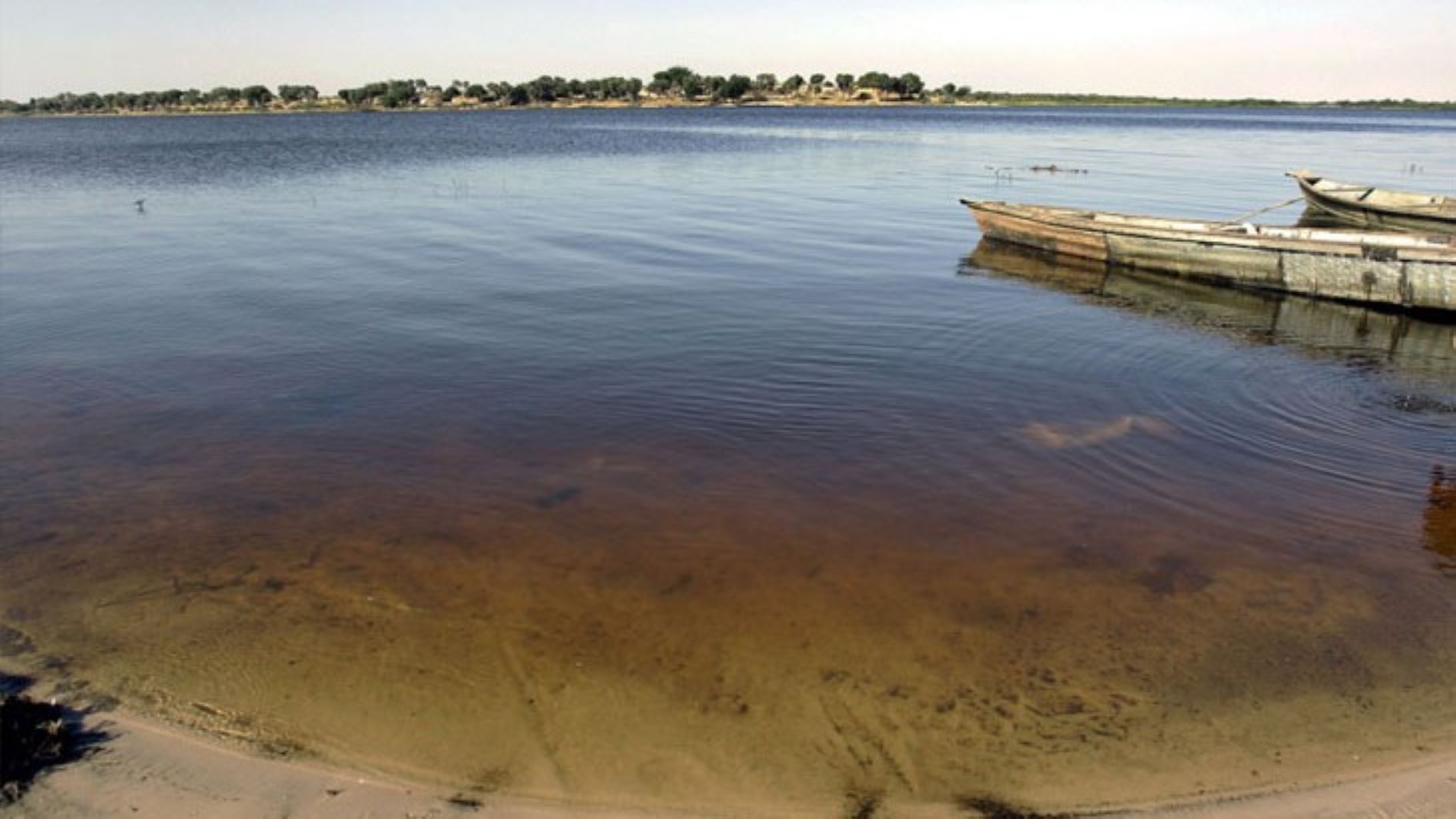
By Olawale Johnson
Sir: Every city has places that embody its essence, places that become synonymous with its name and culture, places that shape how people experience it. For Abuja, Jabi Lake has long been one of them. Over the years, it has evolved into one of the capital’s best-known recreational spaces, attracting families, residents, businesses, and visitors alike. Yet despite its popularity, much of its long-term economic, tourism, and cultural potential remains untapped.
Look closely at what has already happened there. Families arrive on Saturday mornings before the sun gets high. Vendors set up along the edges, selling keepsakes to people who have come to experience the city and want to reminisce about memories made long after life has resumed its usual pace. Children run the way children usually do — freely, without worries. None of this was designed by anyone. It happened because the lake gradually morphed into a sanctuary from life’s frazzling pace, and people, once they discover a haven rarely need a second invitation.
This is not unique to Abuja. Water has drawn people first and planners second for as long as cities have existed; settlements formed at the water’s edge long before anyone called it urban design. Jabi Lake is simply the latest chapter in a pattern as old as civilisation itself. What is unique is the opportunity now in front of Nigeria: to take a natural asset that already draws people in, and build around it deliberately, so that its value multiplies rather than erodes. This is the rationale behind the transformation of Jabi Lake under Akida Hills’ ongoing waterfront destination development project.
Akida Hills, the Nigerian mixed-use real estate and destination development company, is transforming a 3.36-hectare section of the broader 14-hectare waterfront district into a phased leisure and tourism destination designed to unlock the lake’s long-term potential. It is a vision worth examining through the three lenses that matter most to Nigerians today: economic opportunity, tourism potential, and cultural significance.
An economic opportunity beyond the waterfront
It is tempting to speak of the ongoing Jabi Lake development purely in aesthetic terms, but the economic case is where the real argument lies. A destination of this scale creates a chain of activity that reaches far beyond the waterfront itself.
During construction, the project draws on engineers, project managers, logistics providers, and skilled trades people, many of them Nigerian professionals working on a scale of ambition rarely available at home. Once operational, the destination sustains an entirely different ecosystem, a circuit of four sectors that have the immense potential to boost Nigeria’s revenue and those of its denizens significantly: the hospitality sector, the tourism sector, the creative sector and the informal sector. For context, the restaurant industry in Nigeria – a fragment of the hospitality sector — was reported to generate $24 billion in annual revenue in 2023 alone. In the same year, domestic tourism generated $15.2 billion. UN Tourism recorded a 21% growth in the Nigeria’s international tourism in 2022, with international tourist spending in the same year reported to be $3.1 billion.
Now imagine the strength of all four sectors combined. This is the strength of destination-led development. It generates recurring economic activity, year after year, for as long as people keep coming back.
Unlocking Abuja’s tourism potential
Nigeria’s tourism potential is often discussed and rarely converted into infrastructure. The country has the culture, climate, and landscapes, but tourists do not travel for potential. They travel for experiences that are built, marketed, and maintained.
Jabi Lake offers Abuja a rare chance to close that gap. Through a mix of signature attractions, waterfront experiences, exceptional culinary offerings, vibrant public spaces, and year-round programming, the development has the potential to establish Jabi Lake as a destination people intentionally travel to experience. Among its headline attractions is West Africa’s first dancing musical fountain, launching in December 2026 and designed to become a defining landmark within the waterfront experience.
The value of this extends beyond the Federal Capital Territory (FCT). Every successful domestic tourism destination raises the ceiling for what the rest of the country can imagine and build. Once launched, waterfront development at Jabi becomes a proof of concept for Nigerian cities that have their own underused natural assets waiting to be harnessed.
Building Cultural Landmarks
Economic and tourism values matter, but they are not the whole story. Every great city has places that become part of its shared memory, spaces people return to not because they must, but because those spaces resonate deeply with their identity. Culture is built in exactly these locations: where music, water, light, and public life intersect, and where a city’s residents can stand shoulder to shoulder with visitors and feel, briefly, like custodians of the same story.
Public programming, seasonal events, and shared experiences go beyond being a checklist of entertainment features. They are the beginning of traditions. In time, Jabi Lake could become the place Abuja residents cherish, international guests plan calendars around, transgenerational memories are forged, and national celebrations occur. That is how cultural landmarks are made by repetition and affection.
Looking ahead
None of this works if the lake itself is compromised in the process. Waterfront destinations only retain their value when the natural environment that makes them desirable is protected alongside the development around it. A thoughtfully managed Jabi Lake, where access, activity, and conservation are held in balance, is one that continues to attract people for decades rather than years. This is the standard Akida Hills has set with the Jabi Waterfront project – striving to protect as it builds an acme of destination tourism.
Although, large developments take time to reveal themselves, the direction Akida Hills has set off on is clear enough to state plainly: Jabi Lake is positioned to become one of Nigeria’s most significant economic, tourist, and cultural assets, a place where jobs are created, visitors are welcomed, and a shared sense of national identity is quietly reinforced, one weekend gathering and seasonal event at a time.
*Olawale Johnson, a Real Estate advisor, wrote from Lagos

