 Follow Us on Google News


 Follow Us on Google Discover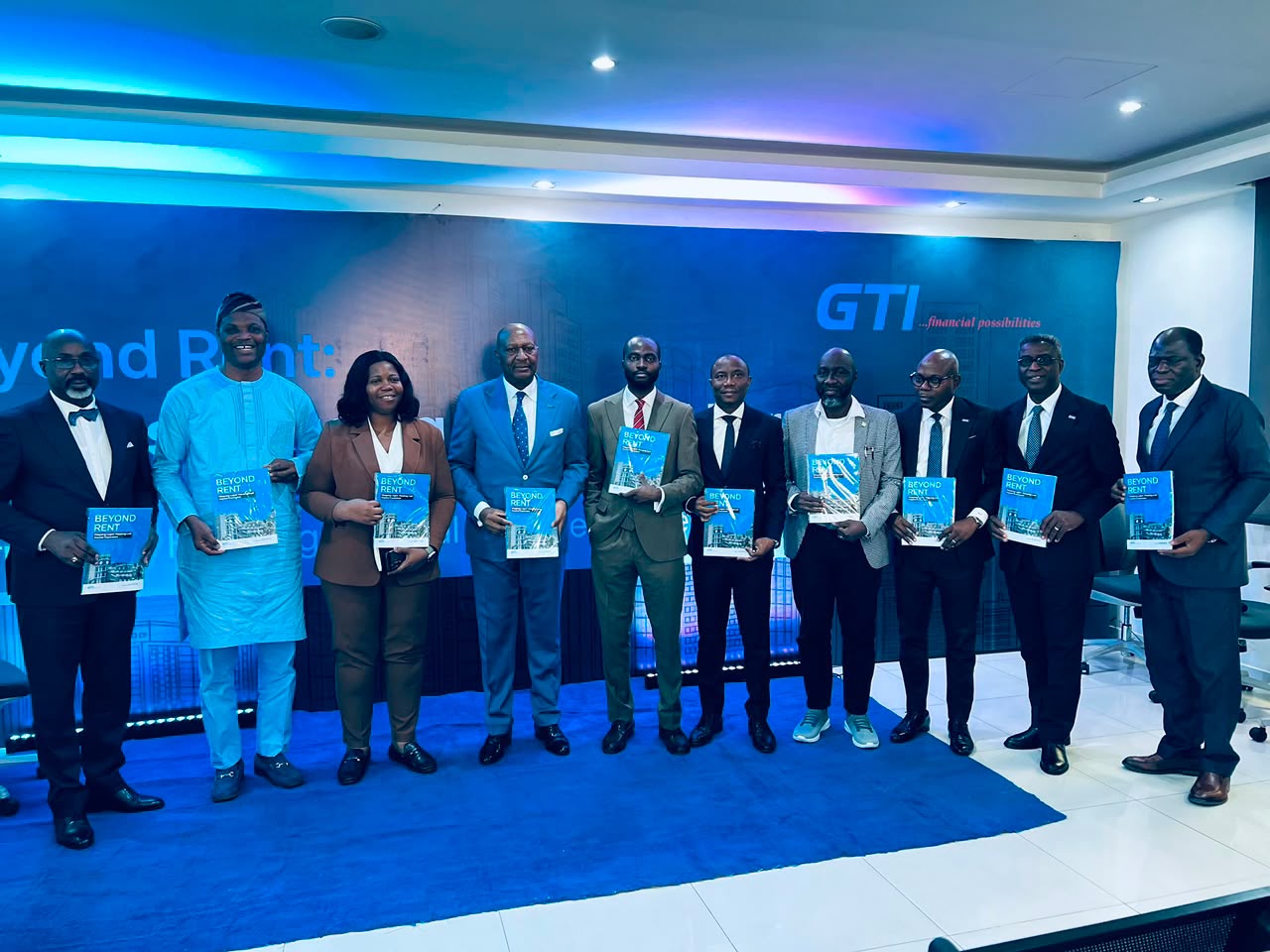
Lagos rents have risen by as much as 120 per cent in two years, far outpacing wage growth of between seven and nine per cent, as the state’s housing market faces an estimated annual capital shortfall of about N6 trillion, a new report by GTI Investment Group has revealed.
The report, “Beyond Rent: Mapping Lagos’ Housing-Led Capital Expansion”, produced by GTI Investment Group, was presented at a forum themed “Housing, Capital and the Future of Lagos” held in Lagos.
Presenting the report, Head of Research and Strategy, GTI Investment Group, Abiodun Ogunniyi, said the estimated annual housing capital gap was about three times Lagos State’s N2.337 trillion 2026 capital budget.
The report, based on more than 3,200 rental listings across 15 zones, said Lagos’ property price-to-income ratio had risen to 19.2 times, above Cairo’s 18.4, Nairobi’s 11.5, Cape Town’s 5.4 and Durban’s 4.2.
It said a ratio above five was generally considered severely unaffordable, adding that more than 70 per cent of Lagos households were effectively priced out of home ownership. The report attributed much of the increase in property prices to infrastructure and location premiums, rather than income growth.
Delivering the keynote address, Director of the Centre for Housing and Sustainable Development, University of Lagos, Prof. Timothy Nubi, said Nigeria’s housing challenge was largely a capital problem rather than a shortage of buildings.

“We do not have a housing crisis; we have a capital architecture problem. Design the system and the city will build itself,” Nubi said.
He said real estate contributes only about 5% to Nigeria’s real Gross Domestic Product (GDP) compared with between 18 and 20 per cent in the United States and United Kingdom.
Nubi also pointed to the country’s pension industry, whose assets have exceeded N31 trillion, as a largely untapped source of housing finance.
According to him, “pension funds are permitted to allocate up to 30 per cent of pension assets to be invested in instruments such as Real Estate Investment Trusts (REITs), mortgages and asset-backed securities, but actual allocation to real estate and other alternatives sits at roughly 5%”.
Nubi illustrated the affordability challenge with the case of a 46-year-old University of Lagos lecturer with 10 years of service who was offered a two-bedroom apartment in Badagry for N28 million despite earning less than N250,000 monthly.
He warned that rising demand would put further pressure on the housing market as Lagos’ population is projected to increase from about 20 million to 40 million over the next 25 years. He called for reforms in land administration, mortgage financing and infrastructure delivery to address the problem.
The Permanent Secretary, Lagos State Ministry of Housing, Abdulhafiz Toriola, said government could not meet the state’s housing needs alone and called for greater private sector participation.
Toriola said government needed to provide land and infrastructure, streamline approvals and introduce investment incentives to attract more private capital into housing. He said the Lagos State Real Estate Regulatory Authority had helped improve the investment environment but stressed the need for faster land title processing and stronger public-private partnerships.
GTI proposed a four-part capital reform framework involving micro-title regularisation, an infrastructure value capture authority, land equity trusts and a rental-equity REIT.
The report estimated that the proposed measures could close between 45 and 65 per cent of the housing funding gap. It also identified 10 entry points for retail investors, including cooperative societies and NGX-listed REITs, with some requiring an initial investment of as little as N5,000.
The forum brought together developers, investors, regulators and financial institutions, with speakers stressing the need to improve access to long-term capital if Lagos is to bridge its growing housing affordability gap.

