 Follow Us on Google News
 Follow Us on Google Discover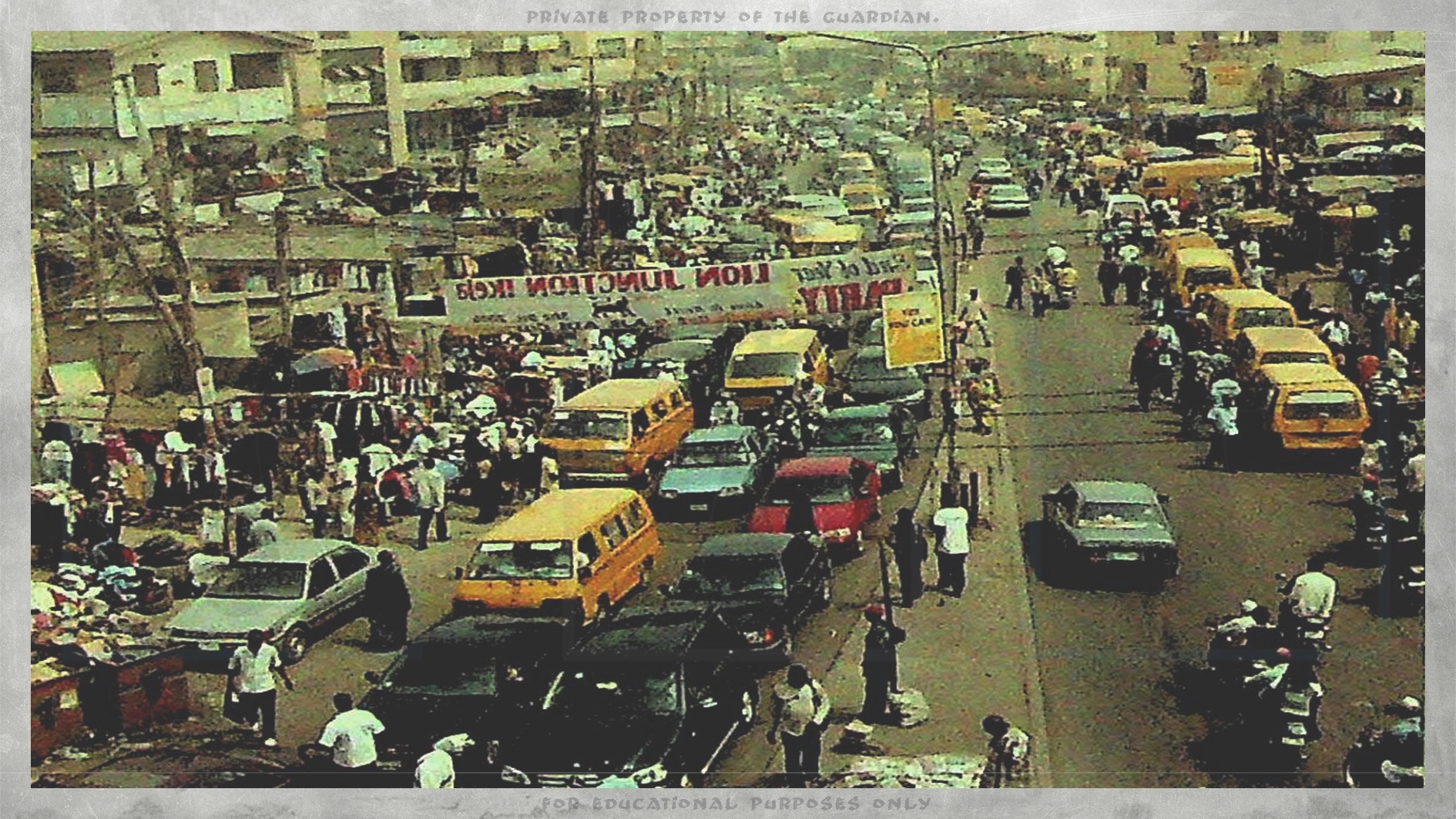
For anyone navigating the busy Lagos roads, time is a precious and often punishing commodity. On a typical weekday morning, a journey from Ojota to Marina can easily stretch into a grueling two-hour ordeal of bumper-to-bumper frustration. Years ago, the solution to this daily madness was the commercial motorcycle, popularly known as the okada. Sleek, daring, and seemingly capable of squeezing through the smallest gaps between trailer trucks, the okada was the city’s unofficial heartbeat. But beneath the convenience lay a chaotic, dangerous reality defined by extreme overloading and a safety crisis that ultimately forced the government’s hand.
When traffic stood entirely still, these two-wheeled machines offered a lifeline, slicing through miles of delays and helping office workers, traders, and students beat the clock. Yet, this speed came at a terrifying price. The culture of the road mutated into something breathtakingly risky. It was common to see a single motorcycle carrying an entire family a father, mother, and two children sandwiched precariously between them, with no helmets in sight. Others served as makeshift moving vans, piled high with towering sacks of market goods, iron rods, or furniture, turning a passenger bike into an unstable, motorized tower of cargo.
The physics of these overloaded machines were unforgiving. With three or four human passengers or a mountain of goods shifting its center of gravity, a single pothole, a sudden brake, or a slippery patch during a Lagos downpour spelled disaster. Emergency wards in public hospitals regularly recorded surges in trauma cases from okada accidents, painting a grim picture of daily carnage on expressways and inner streets alike.
Faced with mounting casualties, rising lawlessness, and public outcry, the Lagos State Government stepped in with sweeping bans, restricting and eventually prohibiting commercial motorcycle operations across major local governments and highways. The policy was polarizing. While urban planners and safety advocates breathed a sigh of relief, millions of stranded commuters lamented the space left behind. Without the bikes, navigating short distances became an expensive and agonizing chore once again, forcing many to trek long miles to bus stops or seat for hours in traffic.
Today, looking back through the archives of Lagos transport, the okada story remains a classic paradox. It was a brilliant, grassroots solution to a crippling infrastructure problem, yet it became a victim of its own lawless excess. As Lagos continues to search for sustainable, organized mass transit alternatives like rail and water transport, the ghost of the speeding, overloaded okada serves as a stark reminder: in the fast-paced Lagos life, speed can never be allowed to outweigh human safety.
