 Follow Us on Google News


 Follow Us on Google Discover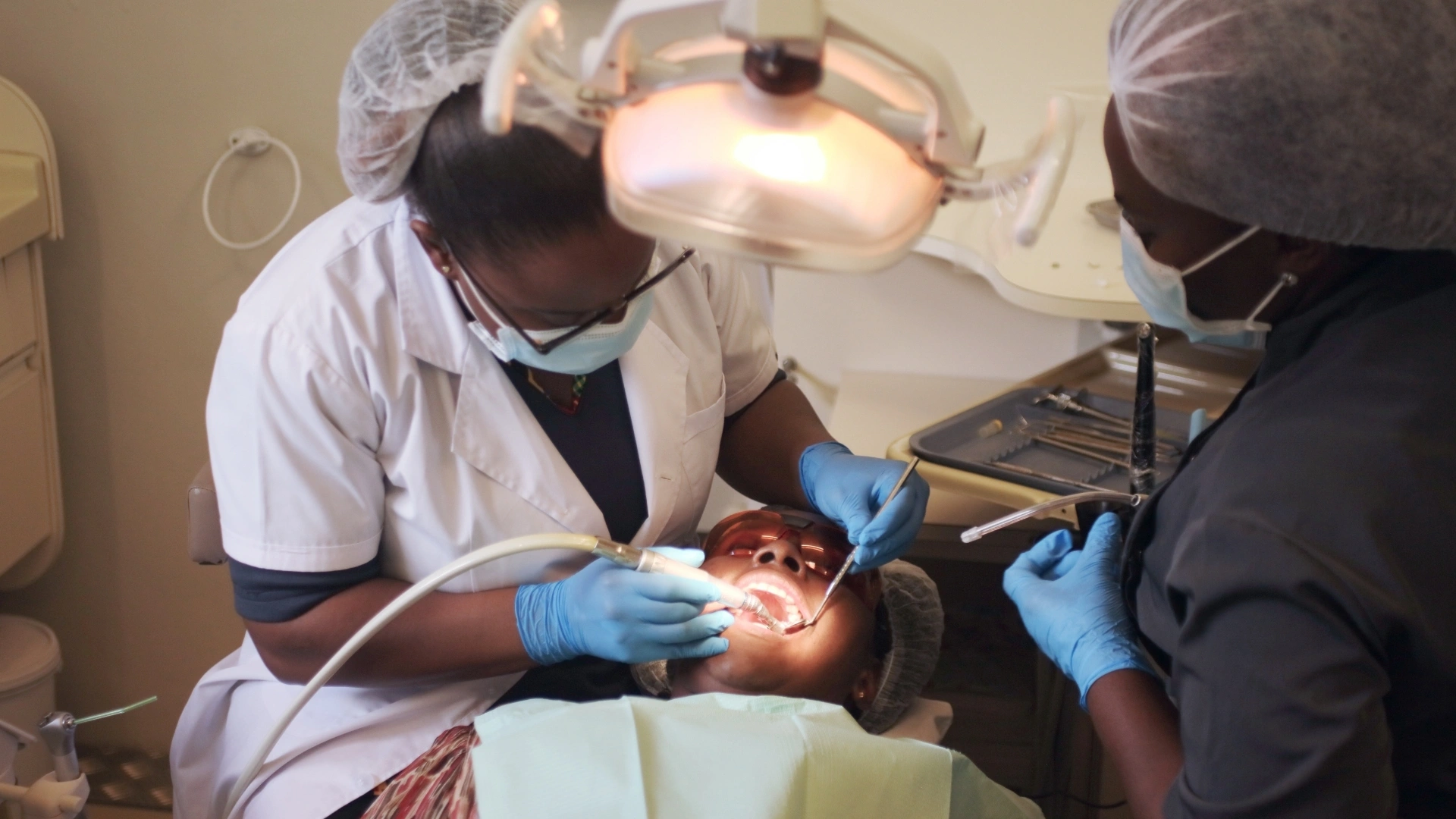
Nigeria is gradually moving away from a dental care culture centred largely on emergency treatment, with more patients beginning to show interest in preventive oral healthcare, according to the founder of Zoom36 Dental Care, Elias Joshua Okwuchukwu.
Okwuchukwu said the change was being driven by growing health awareness and evolving expectations among patients, although economic pressures and long-standing attitudes towards dental treatment continue to limit access to regular preventive care.
He made the observation while discussing the development of Zoom36 Dental Care, which was established in 2021 to provide dental services with greater emphasis on patient communication, comfort and modern clinical practices.
“We are seeing a transition from fear-driven, emergency visits to more informed and proactive care, where patients are actively engaged in maintaining their oral health,” Okwuchukwu said.
For years, dental treatment in Nigeria has often been associated with pain or emergencies, with many people visiting a dentist only when an existing problem becomes difficult to ignore. Okwuchukwu said that approach can make prevention more difficult and contribute to anxiety around dental appointments.
A preventive approach, by contrast, involves regular dental examinations and early attention to oral health problems before they develop into more serious conditions.

Zoom36 operates in Abuja, Lagos and Port Harcourt, providing general and preventive dentistry as well as restorative procedures, orthodontics and cosmetic dental services. The organisation also conducts oral health education and corporate wellness programmes.
Okwuchukwu said the focus on patient experience was part of the organisation’s approach to addressing some of the concerns that discourage people from seeking dental care.

He said communication between dental professionals and patients was particularly important in reducing anxiety and helping people understand the importance of maintaining their oral health.
However, he acknowledged that greater awareness alone would not eliminate the challenges facing dental care in Nigeria.
The cost of healthcare remains a consideration for many households, while perceptions about dentistry can also influence how frequently people seek professional care. For some patients, dental treatment continues to be viewed as something required only when there is pain or an obvious problem.
These factors can make routine dental visits less common, even as awareness of the relationship between oral health and general wellbeing increases.
Okwuchukwu said Zoom36 was seeking to address some of these challenges through partnerships with corporate organisations, healthcare providers and community groups. He said such collaborations could help extend access to oral health information and encourage more Nigerians to regard dental care as part of their wider healthcare needs.
The emphasis on prevention also reflects a broader effort to encourage people to take greater responsibility for their oral health rather than waiting until problems require urgent intervention.
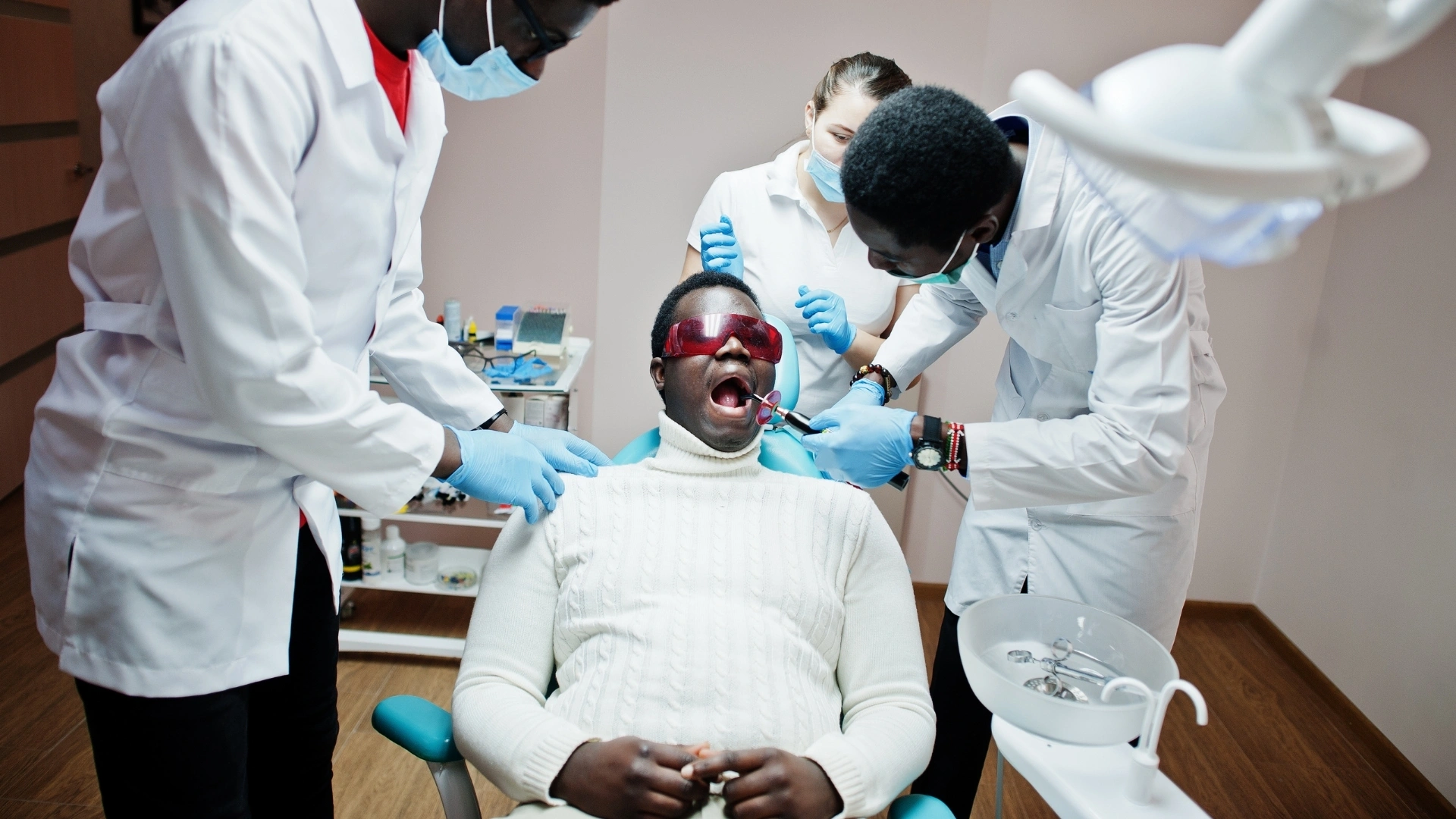
Regular dental assessments can allow problems to be identified earlier, while basic preventive practices can help individuals maintain better oral health over time.
Okwuchukwu said he expected the shift towards prevention to continue as awareness increased.
“As awareness grows, we expect preventive care to become the norm rather than the exception in Nigeria’s dental landscape,” he said.
The comments come as healthcare providers and professionals continue to advocate greater attention to preventive healthcare in Nigeria, where access, affordability and public awareness remain important considerations across different areas of health.
For dental care, the challenge is not only encouraging Nigerians to seek treatment when problems occur, but also building a culture in which regular oral health checks and preventive practices become part of routine healthcare.

