 Follow Us on Google News
 Follow Us on Google Discover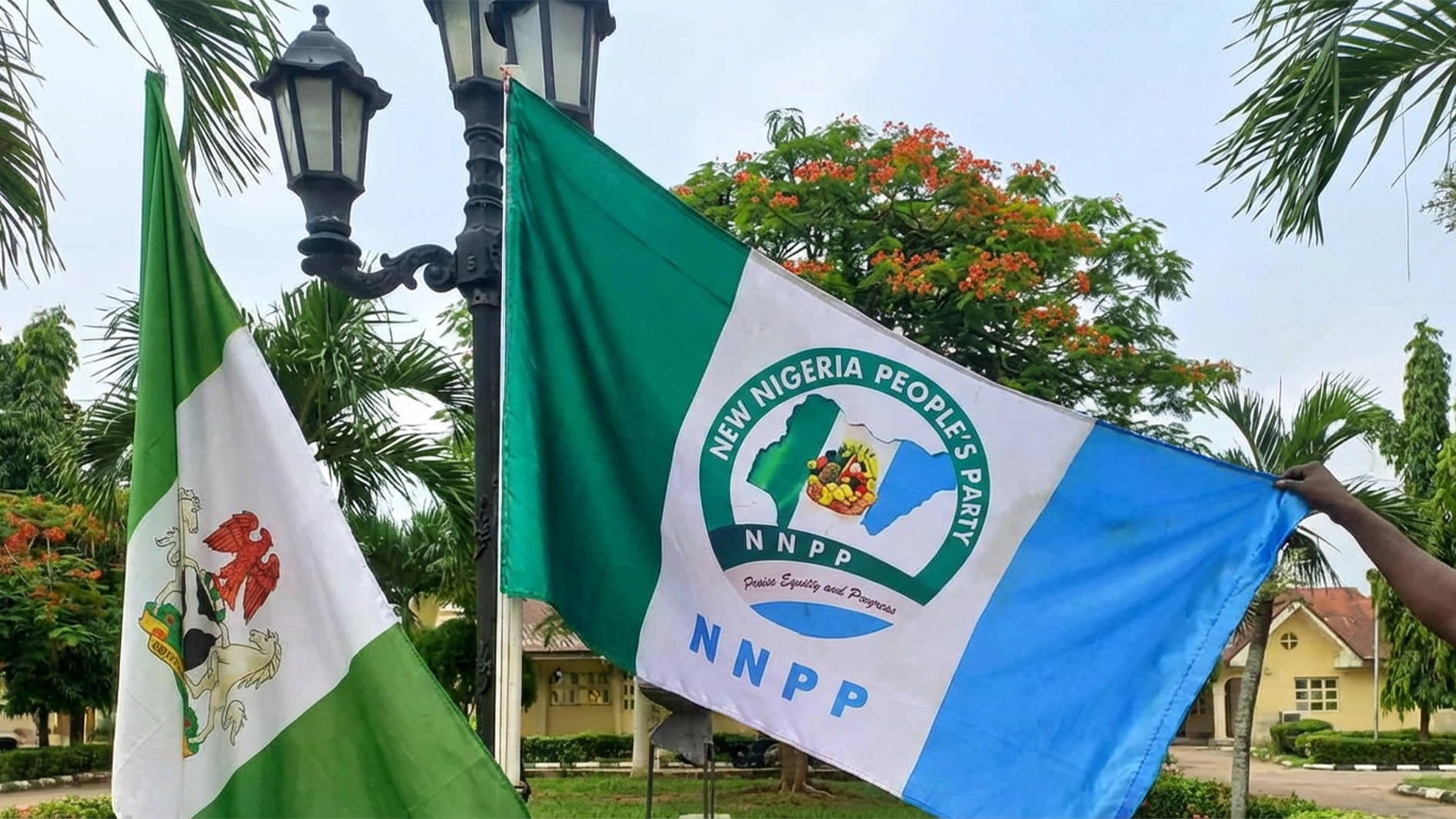
The Presidential Candidate of the New Nigeria People’s Party (NNPP), Suleiman Dikwa, has called on Nigeria’s political class to shift from the 1986-era debate on fuel subsidies and focus public spending on productive investments that create jobs, foreign exchange and durable assets.
In a statement issued yesterday and titled “Beyond the Subsidy Trap: Why the Atiku-Tinubu Debate Fails Nigeria’s Economic Future,” Dikwa said the current contest between President Bola Ahmed Tinubu’s subsidy removal and Alhaji Atiku Abubakar’s proposal for a redesigned subsidy represents “two sides of the same bankrupt coin.”

According to him while one equates reform withdrawing public expenditure, the other equates relief with burning cash at retail fuel pumps, he said neither of the arguments builds the economy.
Dikwa regretted that for 40 years, petrol subsidies were used as a substitute for failed public infrastructure in power, transport and logistics, saying removing the subsidy without alternatives imposed a severe regressive tax, while reintroducing it would only pour public wealth “nto tailpipes, generator exhaust, and traffic jams, with zero lasting assets.
He stated that what Nigerians should be debating is not whether to spend public money, but what public money should create.
The NNPP Presidential Candidate highlighted deeper structural losses, including over N12 trillion lost annually to agricultural pre- and post-harvest wastage, huge food import bills draining forex for products Nigeria can grow locally, and billions in donor funding with little self-sustaining industrial infrastructure to show.
He however proposed a shift from consumptive subsidies to Subsidy Surplus targeted at public co-investment to remove bottlenecks in domestic value chains.
Citing the US, China and the EU, subsidy regime, Dikwa said no industrial power developed through “pure laissez-faire passivity or consumptive cash burn. Instead, they deployed targeted subsidies to build dominance, secure supply chains and protect purchasing power.
He cited the US 1933 Agricultural Adjustment Act, China’s investment in EV battery and mineral refining, and the EU’s Common Agricultural Policy which funds cold chains and processing instead of retail bread, stating that the global standard is not ‘no subsidy.’ The global standard is subsidy that creates surplus,” he said.
Using sesame as a case study, Dikwa said Nigeria loses $30 million annually by exporting 300,000 metric tonnes of raw, unprocessed sesame. He said investing in modular cleaning and sorting hubs would retain that value locally, cut freight costs, and create over 100,000 rural jobs. The model, he added, can be replicated across beans, cashew, ginger, shea, cassava and solid minerals.
He also said investing in Nigeria’s 4-million-hectare Land Degradation Neutrality pledge could unlock an estimated v€8 billion in private investment and €2 billion annually in agro-forestry exports, creating 2.5 million green jobs.
Dikwa further faulted the distribution of palliatives, saying the numbers do not add up. According to him, 42,000 metric tonnes of grain distributed nationwide gives only about 1,085 bags per LGA, enough to feed roughly 6,500 people briefly. In an LGA like Jos South, feeding citizens at $1 per day would cost over N1.1 billion daily.
He maintained that palliatives offer the illusion of intervention, just as fuel discounts offer the illusion of relief. Neither builds an economy.
Dikwa concluded that Nigeria cannot afford to remain trapped between punitive austerity and refurbished price controls” ahead of 2027.
He said “A subsidy that fills a petrol tank disappears by evening. A subsidy that builds a processing hub, restores degraded land, or capitalizes a community’s productive stock produces value for decades. The next Nigerian subsidy must be an investment, not a bill.”

