 Follow Us on Google News
 Follow Us on Google Discover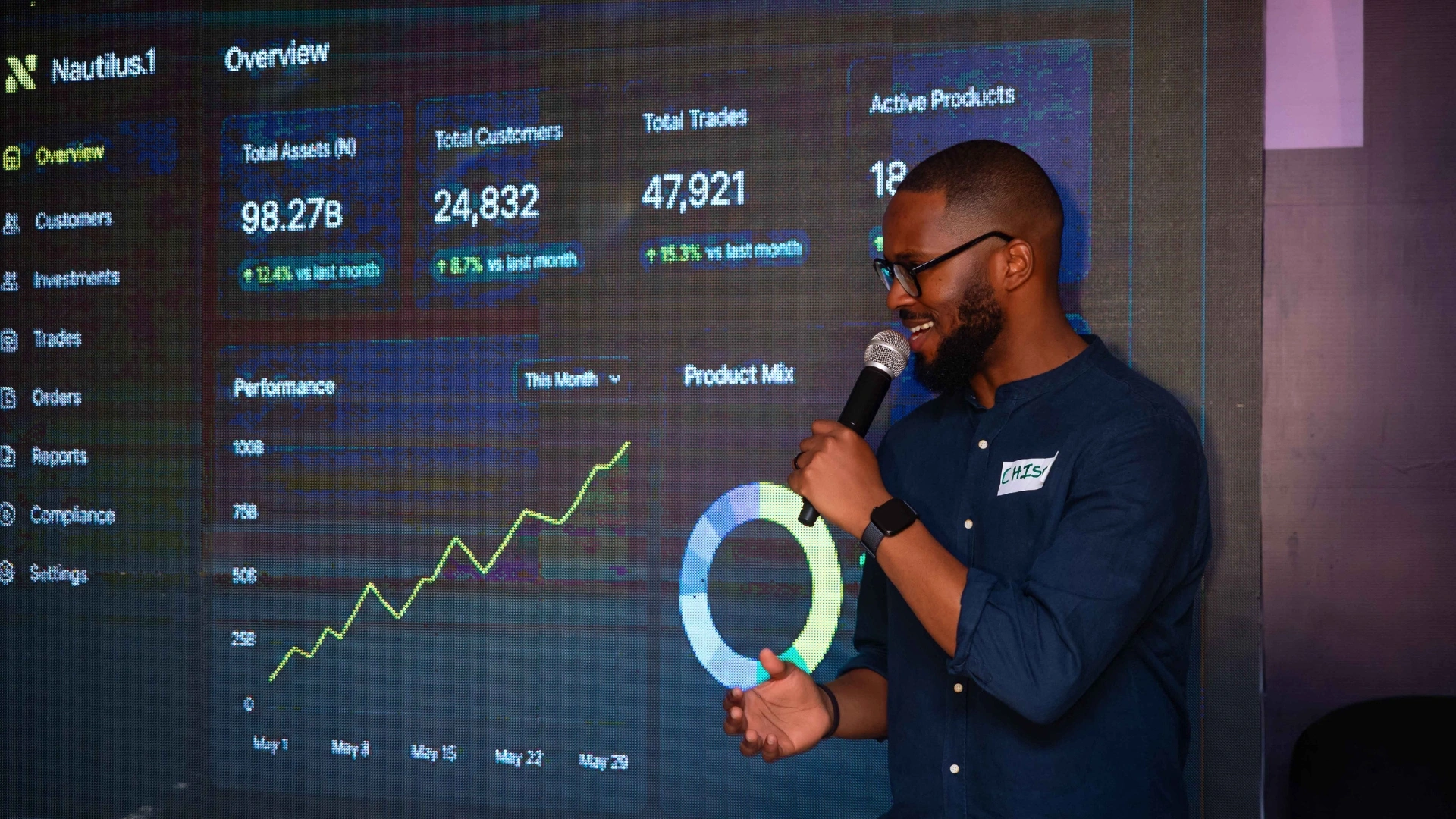
Technology company, Check has brought together key players in Nigeria’s investment industry to examine its 2026 Retail Investment Report themed “The Cost of an Unseen Investor”, a research that delves into how a better understanding of the retail investor can shape the next phase of growth and innovation in the country’s investment market.
The conversation took place at the 2026 Check Investment Innovation Mixer held on Tuesday, August 25, in Victoria Island, Lagos. The event brought together investment and wealth management professionals, wealthtech operators, product and growth experts, financial educators, journalists, regulators and retail investors to examine changing investor behaviour and what it means for the future of retail investing in Nigeria.

The event focused on a growing question within the industry: how can investment products and services be designed around the real needs of the people who use them, rather than focusing mainly on transactions, technology and returns?
In his opening remarks, the Chief Executive Officer of Check, Mr. Chisom Okechukwu, said the company deliberately chose to examine the people behind investment transactions and applications. According to him, the industry needs to better understand those it is building products and services for.
“This year, we took a step back to understand the people behind the transactions, people behind the apps, people who we are actually building for, and that is why we are here,” he said.
Chisom explained that the less traditional setting of the mixer was designed to encourage open conversations and fresh ideas. He said innovation often comes when people are willing to step outside their comfort zones and examine existing ways of doing things. He encouraged participants to remain curious and actively contribute to conversations that could help leave the industry better than they found it.
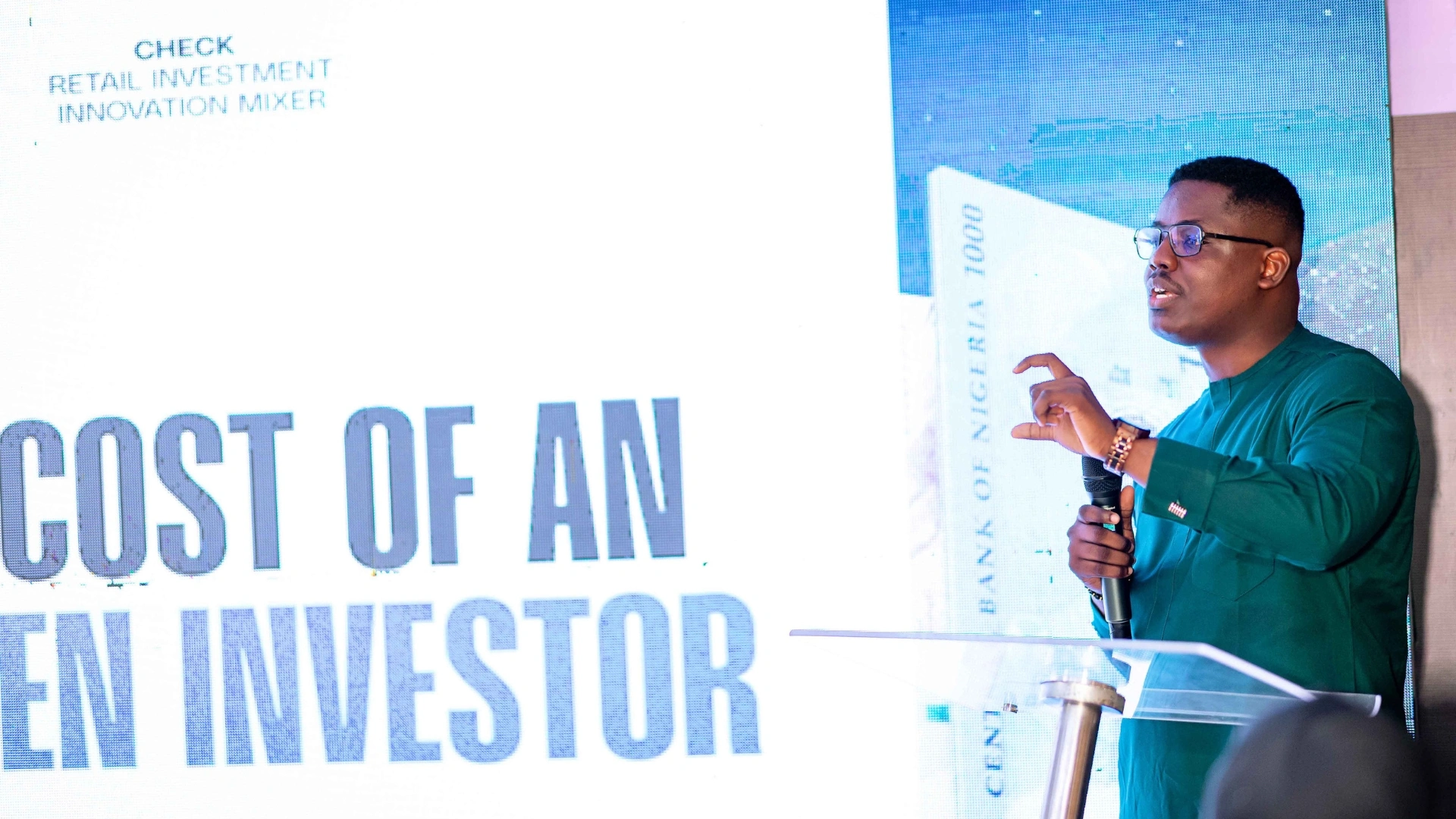
The discussions were supported by findings from the 2026 Check Retail Investment Report, titled The Cost of an Unseen Investor. The research examined the behavioural, emotional and practical factors that influence how Nigerians save, invest and relate with investment products.
One of the findings showed that 81 per cent of participants had thought about investing for between seven and 10 years before taking meaningful action. Lack of understanding, previous experiences with scams, financial responsibilities and limited capital were among the barriers identified. Trust also emerged strongly as a recurring theme, with 77 per cent of respondents saying that knowing a person with personal money at stake was their main trust signal.
The research further showed that investment decisions are not driven by returns alone. About 56 per cent of respondents identified building financial discipline as a major reason for investing, while 81 per cent reported a recurring difficulty in saving before investing. Family responsibilities, religious giving and past experiences with scams were also found to influence how people approach their finances.
Another insight from the research was the emergence of what Check described as a “saver identity”. Some people use investment products, earn returns, reinvest and maintain diversified portfolios, yet do not necessarily see themselves as investors. The report also pointed to growing interest in technology, with 80 per cent of participants who discussed artificial intelligence expressing interest in automated analysis, recommendations and investment updates, although some still want to retain control over their investment decisions and funds.
Delivering the keynote address, titled “Access In, Access Out”, Group Chief Strategy Officer, NGX Group, Jumoke Olaniyan, said retail investors are already playing a major role in Nigeria’s capital market. She noted that the market had recorded significant growth in retail participation and that the industry must respond by improving the complete investment experience.
“I think any time we assess the position of the Nigerian market, the market tends to surprise us, because I think the retails are here already,” Olaniyan said.
She cited market figures showing that retail investors traded ₦3.9 trillion in the first half of the year, compared with ₦1.47 trillion during the same period of the previous year, representing about 130 per cent year-on-year growth. She added that domestic investors now account for at least 80 per cent of trading deals, even as foreign investors cautiously return to the market.
Olaniyan challenged investment platforms and other industry players to look beyond the application that customers see on their phones. “It is not just an App anymore. There is a process. There is experience and critical education,” she said, stressing the need for investment education that responds to different types of investors.
She also drew attention to the infrastructure behind investment platforms, using an iceberg to explain that the visible application is only one part of the overall investment experience. She argued that the systems, processes, trade infrastructure, legal framework and regulatory structures supporting the customer experience are equally important. “You cannot ignore below the iceberg and how you deliver your experience to the client,” she said.
A presentation on The Future of Retail Investing by Check’s Head of Innovation, Lanre Wright, further examined how the next generation of investment products could be shaped by speed, accessibility, automation, better user experience and social interaction. It called for investment platforms to move beyond being financial tools and become services that make investing easier and more relevant to everyday users.

The presentation also highlighted the need for products that cater to a wider range of Nigerians, including options across naira and dollar funds, stocks and savings. It proposed a more social approach to investing, with familiar onboarding, personalised experiences, communities and integrated financial services. It also identified fragmented systems and semi-manual processes as areas where automation and stronger infrastructure could improve the speed and reliability of investment transactions.
The discussions at the mixer ultimately pointed to a changing investment landscape in which retail investors can no longer be treated as a secondary market. The challenge for industry players is now to understand the different people behind the numbers and build products, infrastructure, education and experiences that respond to their realities.
For Check, the conversation represents a shift from looking only at the transaction to understanding the individual making it. The technology company believes that a more inclusive retail investment market will depend on creating simpler, more accessible and human-centred experiences that can bring more Nigerians into the investment ecosystem and keep them engaged.
Explore the report at report.wearecheck.co/2026

